Developing Practical Pasture and Forage Diagnostic Tools
Dr. Ray Smith, forage extension specialist at the University of Kentucky in Lexington, talks about pasture testing with a focus on ergovaline levels in tall fescue grass.

Dr. Ray Smith, forage extension specialist at the University of Kentucky in Lexington, talks about pasture testing with a focus on ergovaline levels in tall fescue grass.

The event will feature presentations on footing, pasture weed management, landscape decisions on horse farms, and more.

Of the 673 respondents, 201 (30%) said they are most concerned about red maple trees.

Risk factors identified include height, a previous history of laminitis, breed, herd size, and more.

Dull coat? Cinchy? Thin? Your horse might be one of the 50-90% suffering from gastric ulcers. Get your gastric ulcer questions answered during our live Q&A event.

The complex equine hoof relies on important nutritional building blocks for strength and integrity.

Find out if your horse could be at risk of suffering subtle but serious vitamin and mineral imbalances.

A correct diet can make these sometimes-debilitating conditions manageable.

About 90% of performance horses and 25 to 50% of foals have ulcers. Here’s what to watch for and how to prevent them.
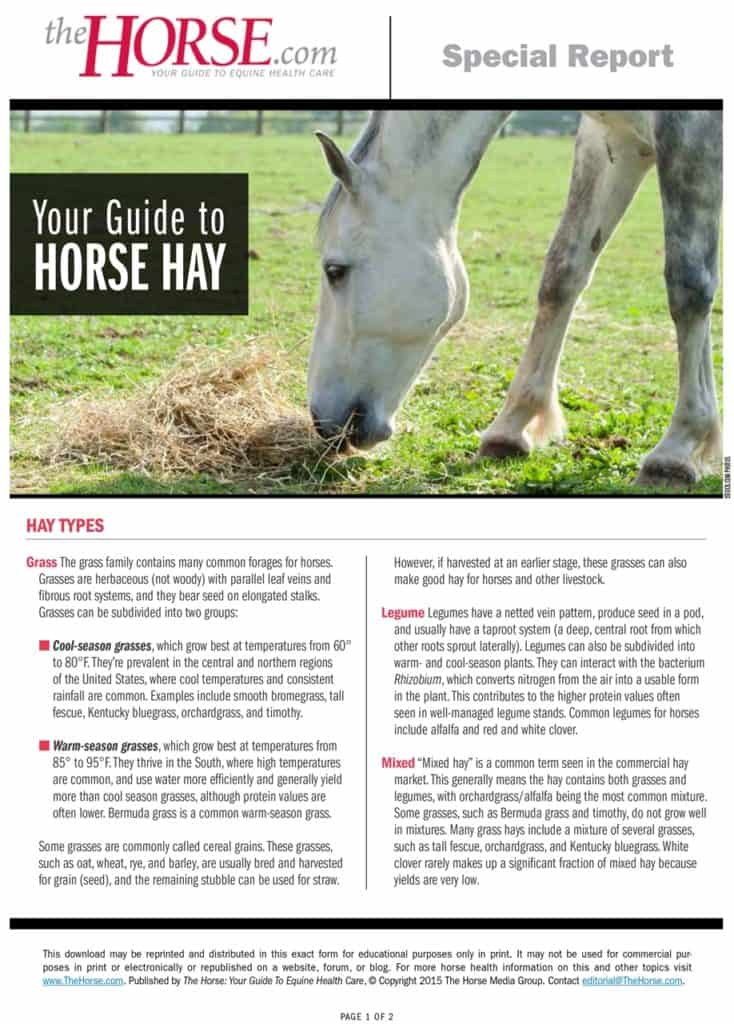
Do you know your grass hay from your legumes? And which kinds of hay offer the best nutrition for your horse? Learn about different types of horse hay in our exclusive special report.

Here are some tips to remember to help your horse stay happy and healthy when consuming this spring’s lush pasture.
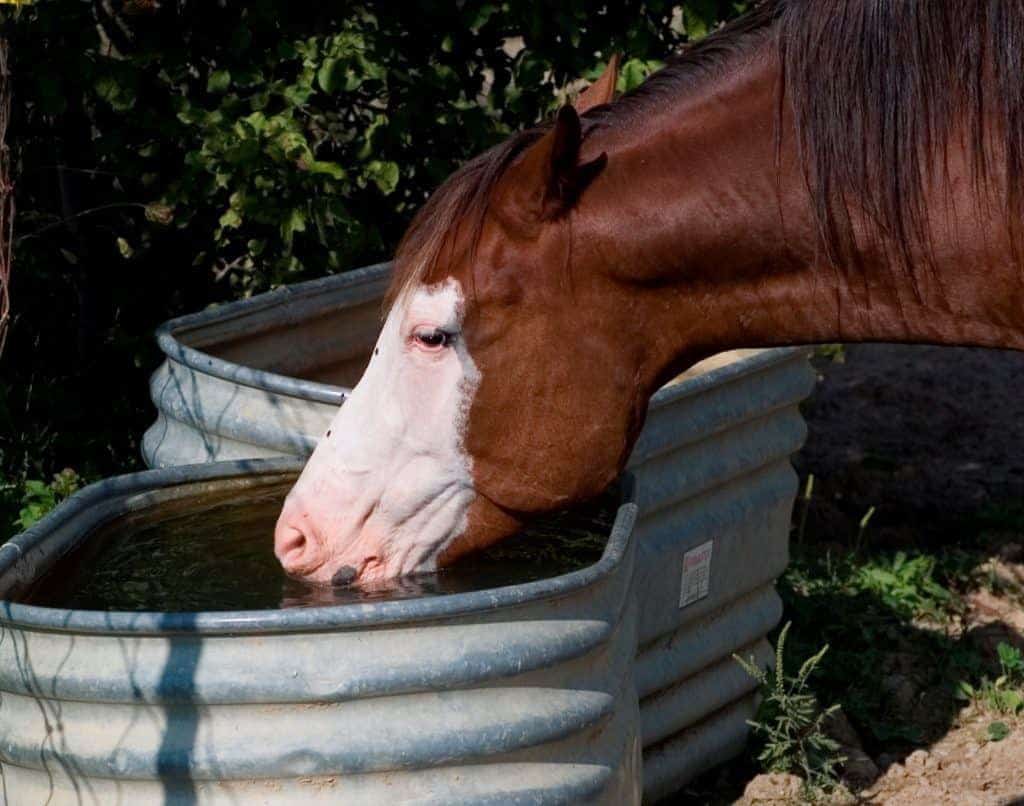
Of the 1,144 respondents, 485 (42%) said they use a stock tank to provide water for their horses.

Have you ever had an out-of-context horse health issue that puzzled you and/or your veterinarian? What did it end up being?

Many owners have implemented water conservation practices at their facilities. Here’s how they’re faring.

Here’s how to ensure your horse receives ample nutrition and stays healthy while grazing spring pasture.

Drought conditions pose unique health care and management challenges for horse owners. Here’s what you need to know.