Alfalfa or Grass Hay: Which Is Better for Winter Warmth?
An equine nutritionist weighs in on which type of hay best helps horses stay warm during cold nights.

An equine nutritionist weighs in on which type of hay best helps horses stay warm during cold nights.

Stacking and tarping your hay correctly can ensure quality forage for your horse all winter.

Here’s what seasonal treats are safe for horses and what you should consider when feeding them.
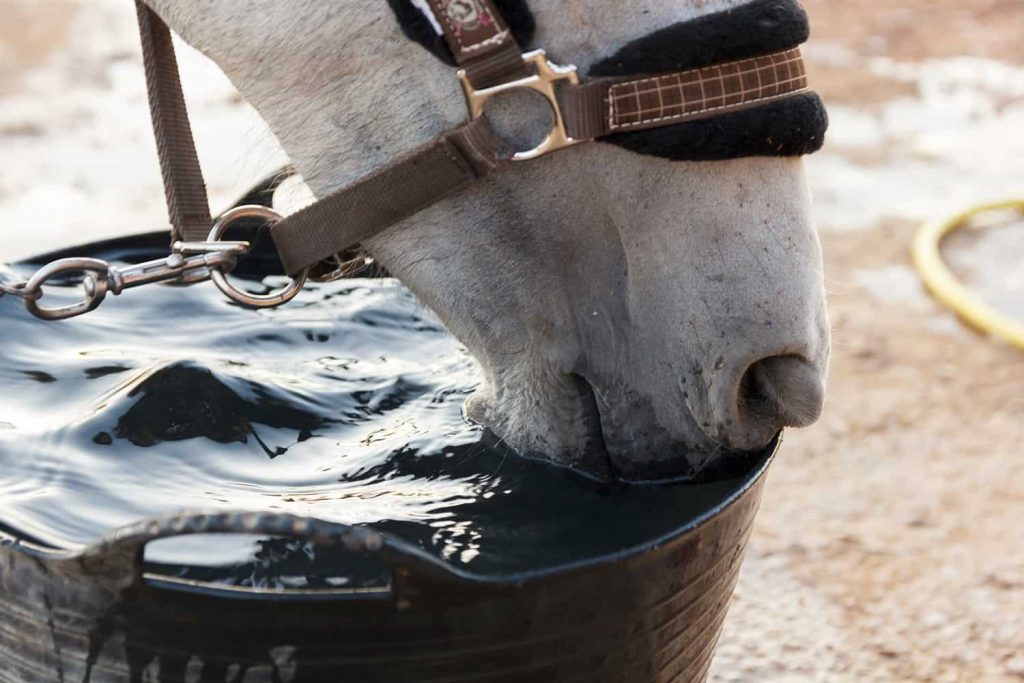
Just because your horse has access to water does not guarantee he’s drinking enough. Learn more about how to keep horses hydrated.

Proper storage techniques help prevent spoilage, preserve nutrients, avoid mold, and protect against pests, supporting your horse’s health and maximizing your investment.
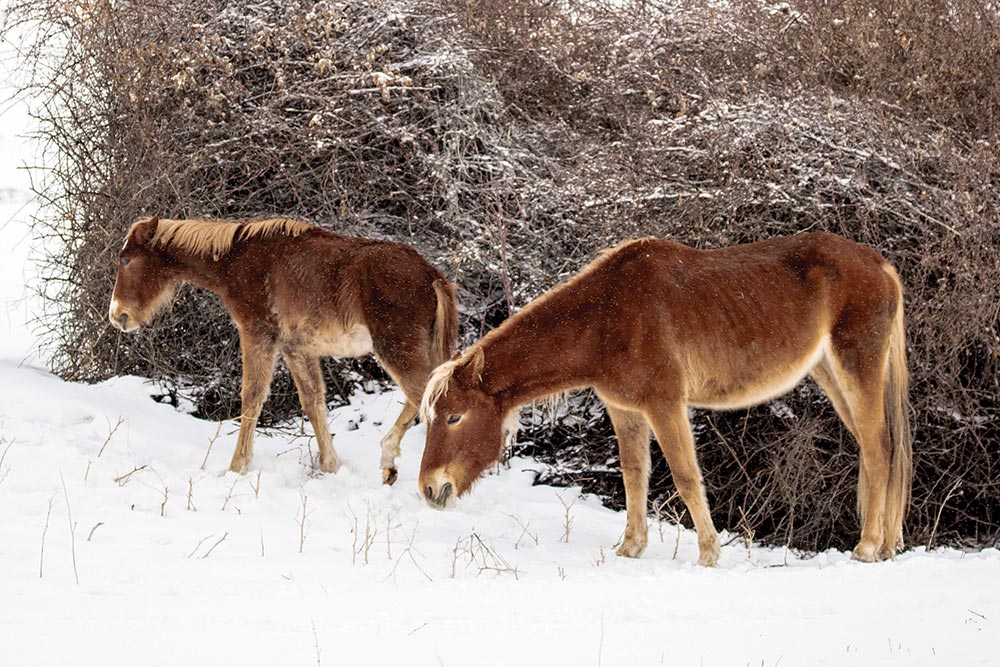
Consider the reasons your horse needs to gain weight and learn how to help safely and effectively. Read more in the Winter 2025 issue of The Horse.

Use this checklist of fall horse property chores to better prepare yourself and your horses for the upcoming winter months.

Veterinarians and a nutritionist outline how forage, concentrates, and supplements fuel performance horses and how to adjust diets for each horse’s job and temperament.

Cold weather often brings unwanted weight loss in hard-keeping horses. Two experts offer advice on preventing this as we prepare for temperatures to drop.
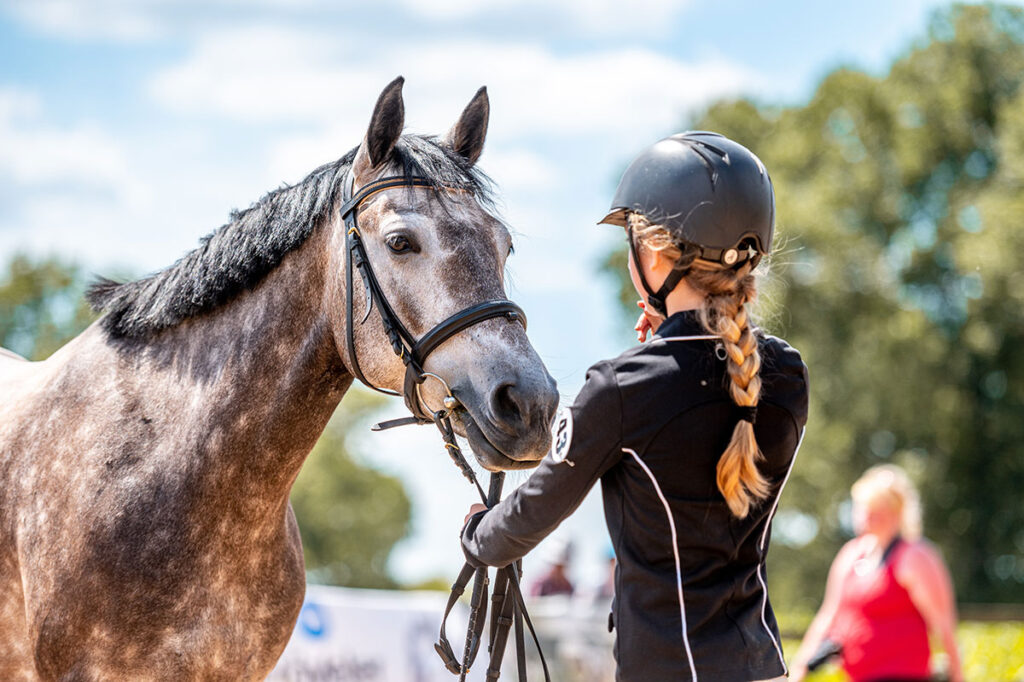
An equine nutritionist offers advice for feeding horses on competition days to support energy, digestion, and performance.

Can horses lose weight too fast? Does exercise or dietary restriction work better for equine weight loss? Two experts answer these questions and more.

An equine nutritionist explains how to balance a performance horse’s diet to improve his energy levels and help him build muscle.

Smart storage of hay, feeds, meds, and gear can help keep horses safe, prevent waste, and reduce fire, pest, and injury risks in the barn.

Common advice tells us not to feed horses before exercise. But this outdated belief might be hurting your horse.

Learn about the benefits and drawbacks of adding hydroponic fodder to a horse’s diet.
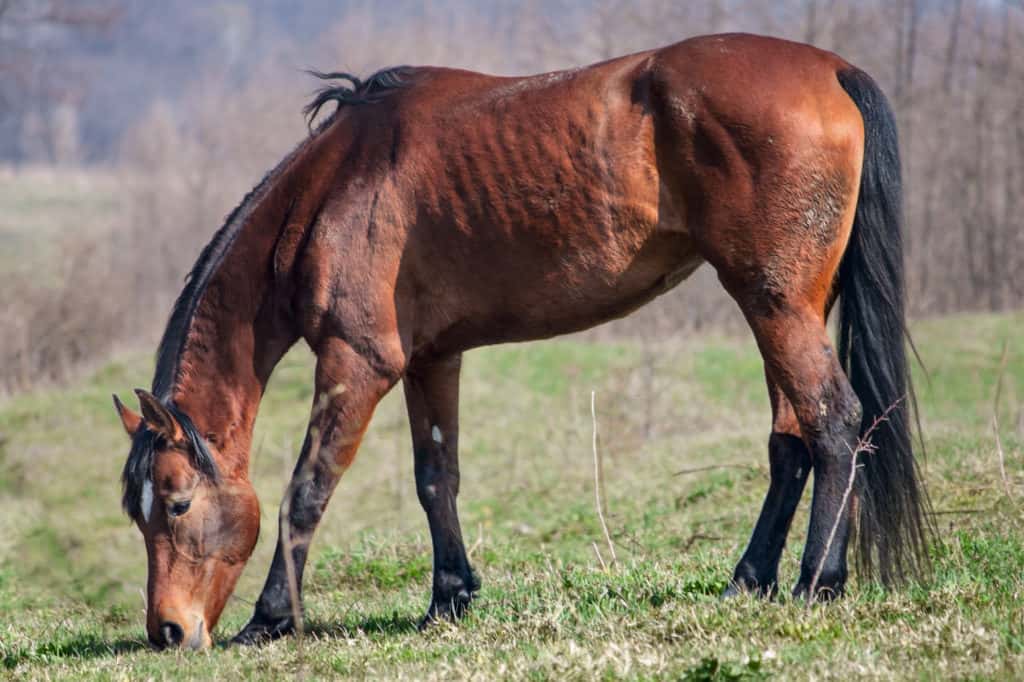
An equine nutritionist offers care and feeding tips to help owners prepare thin senior horses for cold weather.