Pros and Cons of Feeding Horses Beet Pulp
An equine nutritionist answers common questions about beet pulp, which has long been a mainstay in many feed rooms for horses.

An equine nutritionist answers common questions about beet pulp, which has long been a mainstay in many feed rooms for horses.

Dr. Wendy Krebs explains the common costs associated with purchasing a horse and early ownership in this Ask TheHorse Live excerpt.

Get tips for ensuring your horses receive the nutrition they need without eating all your money.

One’s designed to be the horse’s whole diet, while the other is meant to complement his forage ration. Which is best for your horse?
Discover which horses can benefit from higher carbohydrate levels in their diets and the feeds that can supply them.

Vegetable- and marine-based sources can provide your horse with essential omega-3 fatty acids. Consider these factors when choosing an omega-3 supplement for your horse.

Make sure you choose the right type and amount of salt to support your horse’s health—especially during extreme heat.
Don’t forget horses need calories to keep cool in the heat.
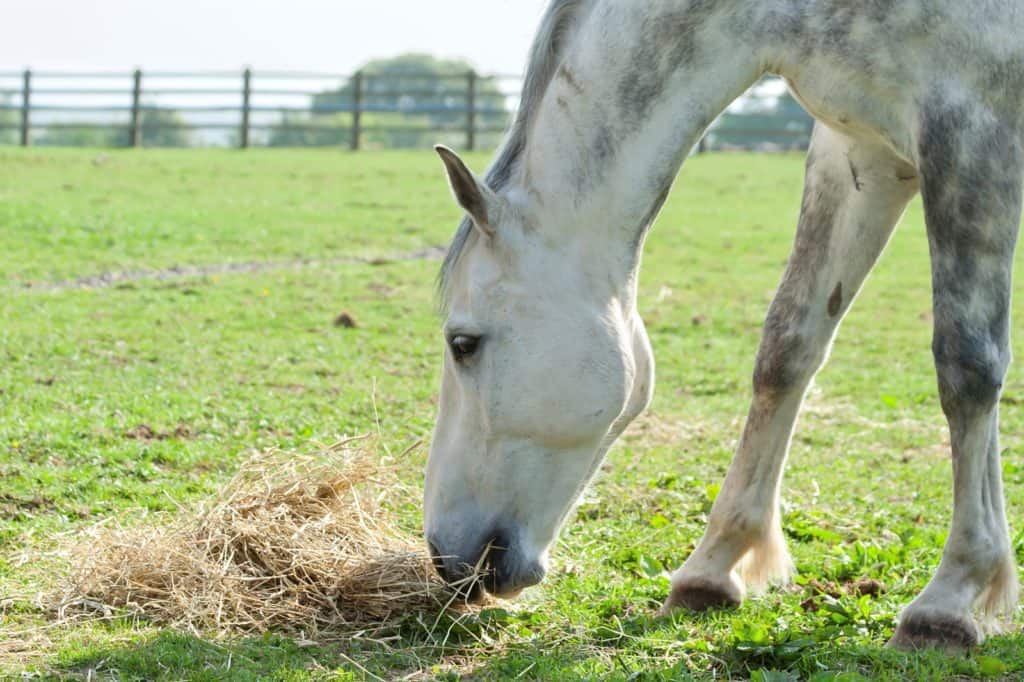
Learn about feeding your new horse during transport, quarantine, and the first few weeks at his new home.

Read top tips and tricks for medicating your horse with everything from antibiotics and anti-inflammatory tablets to anti-ulcer pastes and deworming medications.
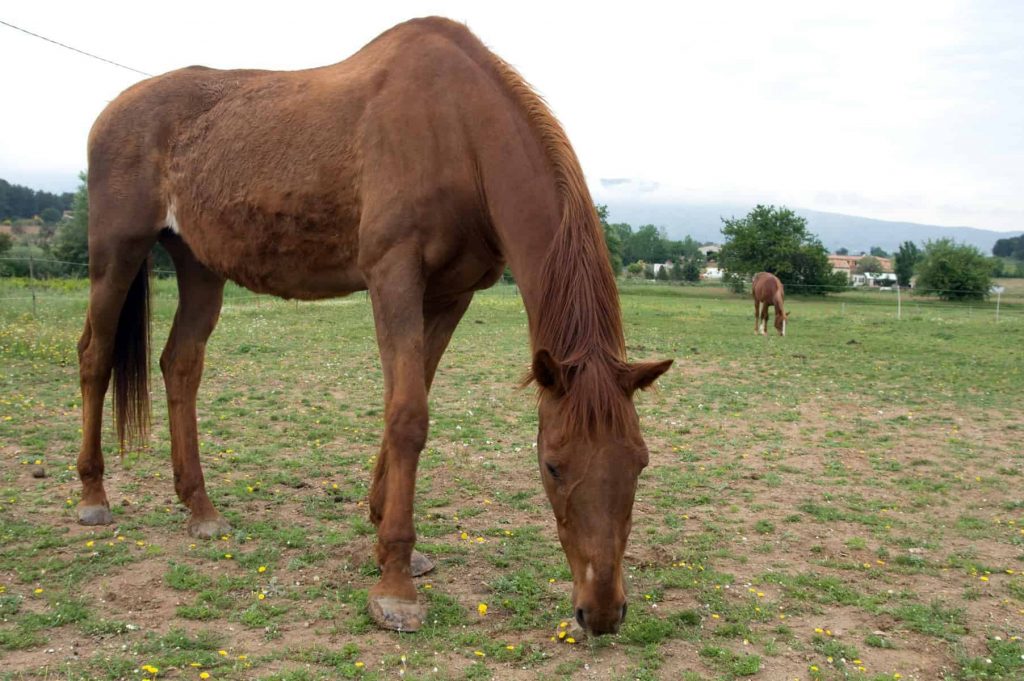
Prevent weight loss in horses by testing hay, monitoring calorie intake, and adding fat or fiber to maintain body condition through seasonal forage changes.

An equine nutritionist describes the role of magnesium in a horse’s diet and why performance horses might benefit from supplementation.

Find out if you can feed newly harvested hay or if you should wait and let it “sweat” or “cure.”

Grass sugar levels shift with time of day, season, and weather. Careful turnout timing can help prevent problems in horses with EMS, IR, or a history of laminitis.

Learn what nutrients are in your senior horse’s feed and why his body needs them.