Buttercups in Horse Pastures: Are They Dangerous?
Buttercups in horse pastures can cause problems, but their acrid taste usually deters livestock from grazing. Here’s what to know.

Buttercups in horse pastures can cause problems, but their acrid taste usually deters livestock from grazing. Here’s what to know.

Australian researchers recently tested whether velagliflozin could help prevent laminitis in horses, and they say it’s showing promising results in early trials.
High temperatures and humidity can make caring for horses a challenging endeavor.

What does it mean if you find corn in your corn-free horse feed? Our nutritionist explains how mills are cleaned and how it can affect your horse’s health.

Lemon verbena extract could help reduce cellular stress that leads to oxidative damage, which, in turn, can compromise horse health and welfare. Here’s how.
June is National Camping Month! Here are some tips on finding vacation spots that offer accommodations for both you and your horse.

A U.S. Equestrian Team veterinarian who has overseen the shipping of horses to six Olympic Games shares what steps to take before, during, and after a long-distance trailer ride.
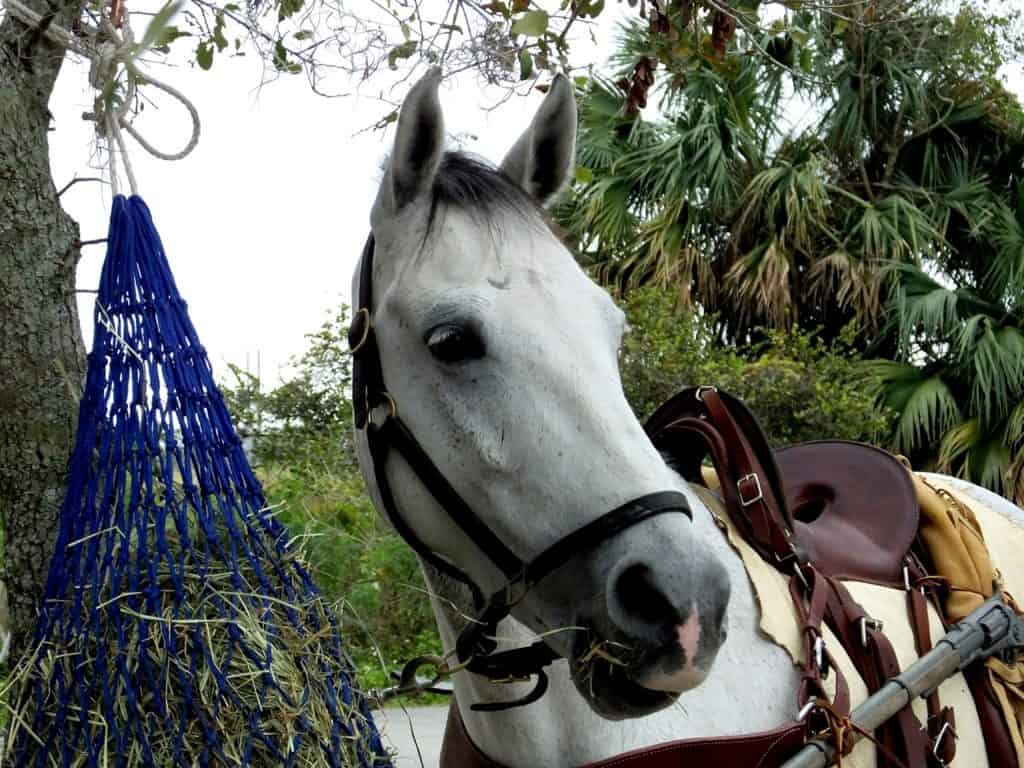
Riding and camping in wilderness areas can present challenges for feeding your horse. Here are some tips.

Nearly half of the European feed samples researchers analyzed had levels of pyrrolizidine alkaloids—naturally occurring, potentially toxic organic compounds—that were higher than the accepted maximum tolerated levels, they said.

One study presented at the 2019 Equine Science Society Symposium found the answer. Also learn about how vibration plates really affect horses, if GPS accurately measures horse speed, and more.

Read about research into increasing the time horses spend eating (a good thing) without feeding them too much (a bad thing), along with more take-homes from the 2019 Equine Science Society Symposium.
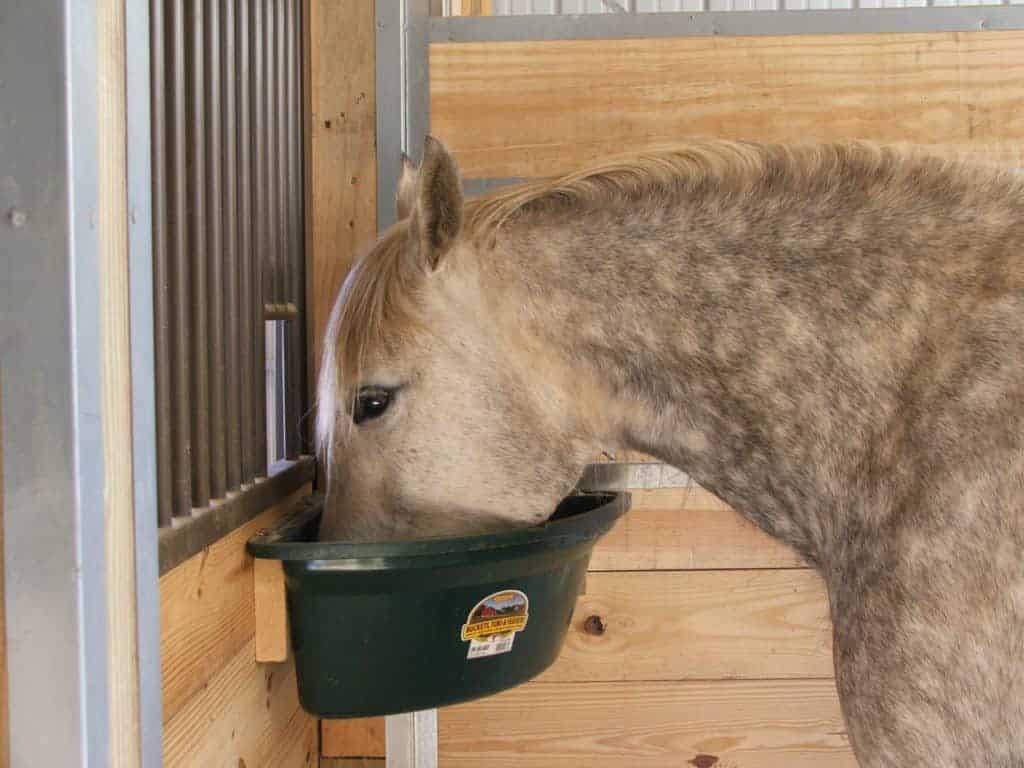
What flavors do they like? Find the answer and read other nutrition tidbits from the 2019 Equine Science Society Symposium.

Surgeon Dr. Anthony Blikslager shares his perspective on preventing horse colic.
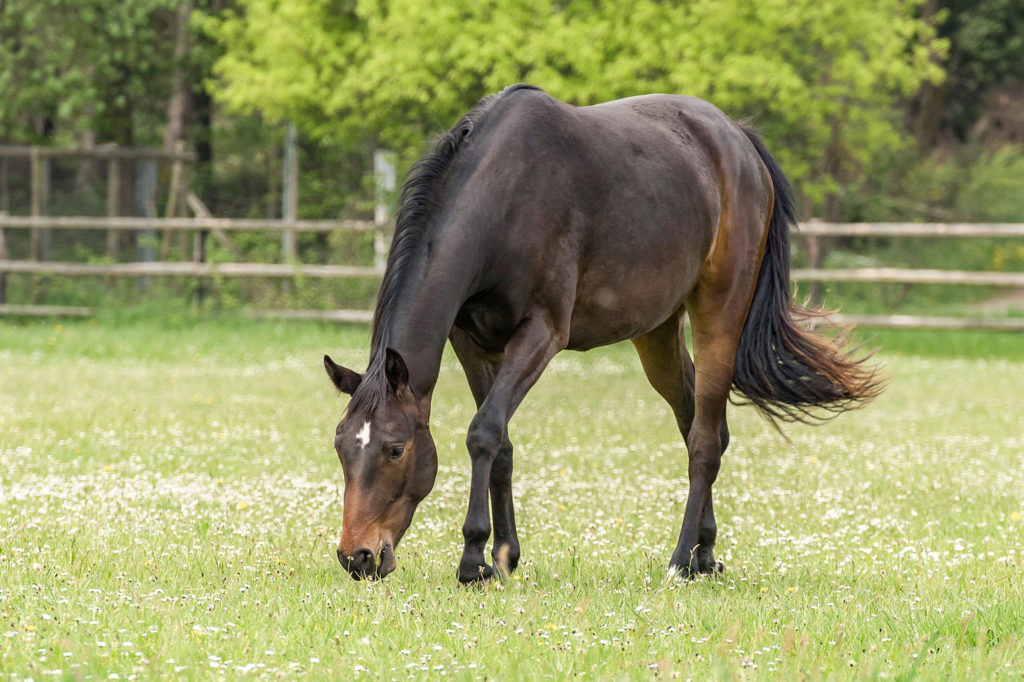
Horses with grassy turnouts graze all day, so they don’t need extra forage when they’re stalled at night, right? Not so fast, our nutritionist says. Here’s why.

Researchers recently found that, despite what can be an arduous first year of transition, healthwise, owners are overwhelmingly very satisfied with their horses and most said they’d buy an OTTB again.

Cargill is voluntarily expanding its livestock and horse feed recall due to elevated aflatoxin levels. The original recall was initiated May 6.