Can Horses With PPID be Turned Out on Pasture?
Can horses with PPID be turned out on pasture and have grass? It depends, one researcher says. Here’s why.

Can horses with PPID be turned out on pasture and have grass? It depends, one researcher says. Here’s why.
Dr. Jeanette Mero offers advice for selecting electrolytes for your hard-working horse.

Fed as a concentrated calorie source, oats have been the go-to grain for horsemen for generations, especially on the track. But should a Thoroughbred continue eating oats after retirement?
The USDA reports hay stocks are at some of the lowest levels seen in the past 70 years. What does that mean for hay prices? A University of Kentucky forage specialist weighs in.

Do you know the difference? Dr. Jeanette Mero outlines the clinical signs of heat exhaustion and stroke in horses.

Dr. Jeanette Mero describes the early warning signs of dehydration in horses and shares how much a horse should drink on a hot day.

Wild weather in the Midwest has left livestock producers on the hunt for hay early in the year. As a result, horse owners might have a difficult time finding it when they need it later this year.
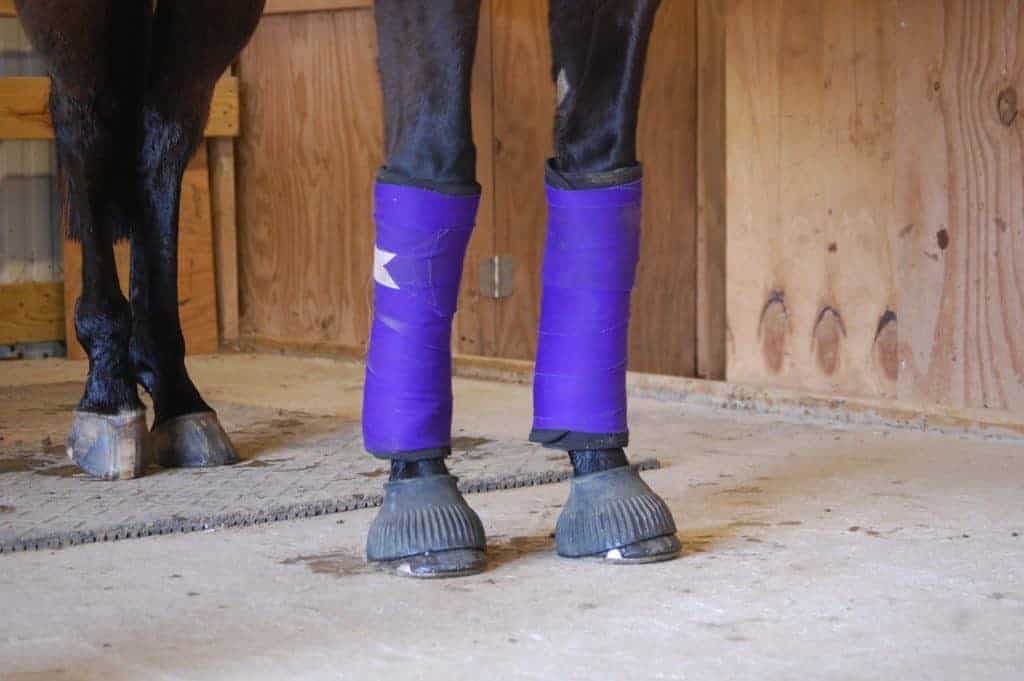
Our equine nutritionist offers feeding advice to help the stocked-up horse.

Researchers found providing handfuls of forage to horses within hours after colic surgery improved gut healing.

Flaxseed is quickly becoming a popular nutritional supplement for horses. But what exactly is this grain and how does it benefit the horse? Here’s wha to know about flaxseed.

Summer is a great time to get out and enjoy your horse, but the season also comes with management challenges. In this prerecorded Q&A, we’ll answer your hot weather health questions about riding, bathing, hydration, and transportation. You’ll also learn the signs of heat exhaustion and how to protect your horse.

Out-of-control critters can pass along pathogens, damage property and structures, and create unhygienic messes. Find out how to deter unwanted visitors such as birds, raccoons, skunks, and other rodents on your horse farm.
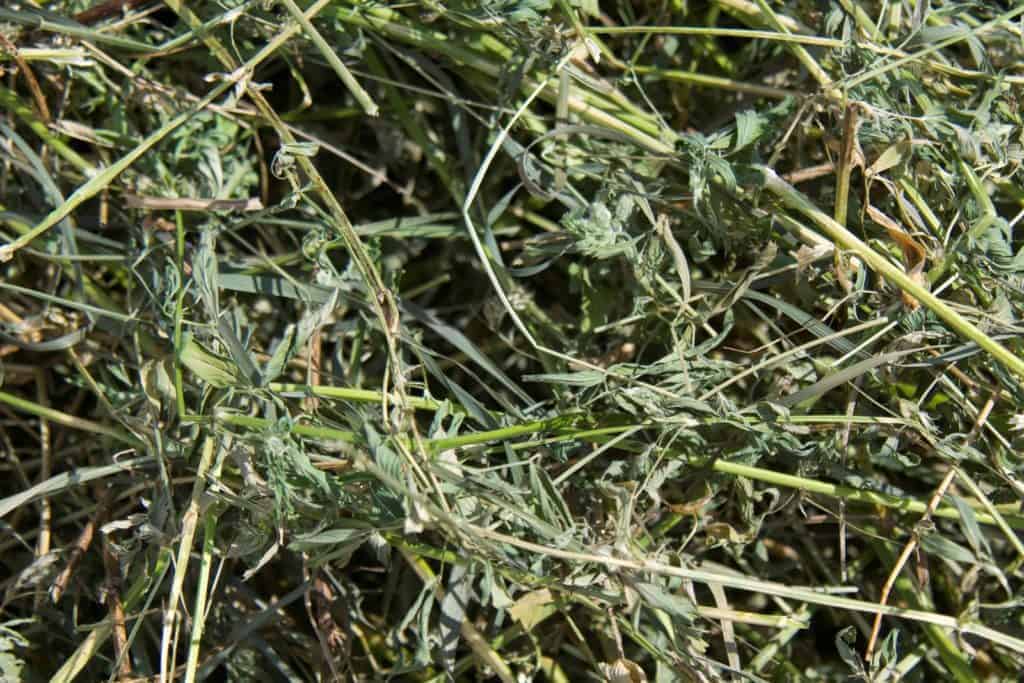
Is it okay to feed a growing 3-year-old horse alfalfa hay? An equine nutritionist weighs in.

Careful dietary consideration can help make an OTTB’s transition from racehorse to pleasure or sport horse easier on his digestive system.

Use our free adult horse weight calculator to estimate your horse’s weight using body length and heart girth measurements.

Staff from the UK Horse Pasture Evaluation program recently observed ergot bodies in tall fescue pastures on several Central Kentucky horse farms. Here’s what to watch for.