Do Fish Help Keep Horse Water Tanks Clean?
Do fish help keep horse water tanks clean? Maybe not, our nutritionist says, but they might have other benefits. Here’s why.

Do fish help keep horse water tanks clean? Maybe not, our nutritionist says, but they might have other benefits. Here’s why.

With routine blood work and a strategic supplementation protocol, you can help your horse avoid the negative consequences associated with vitamin E deficiency. Here’s how.
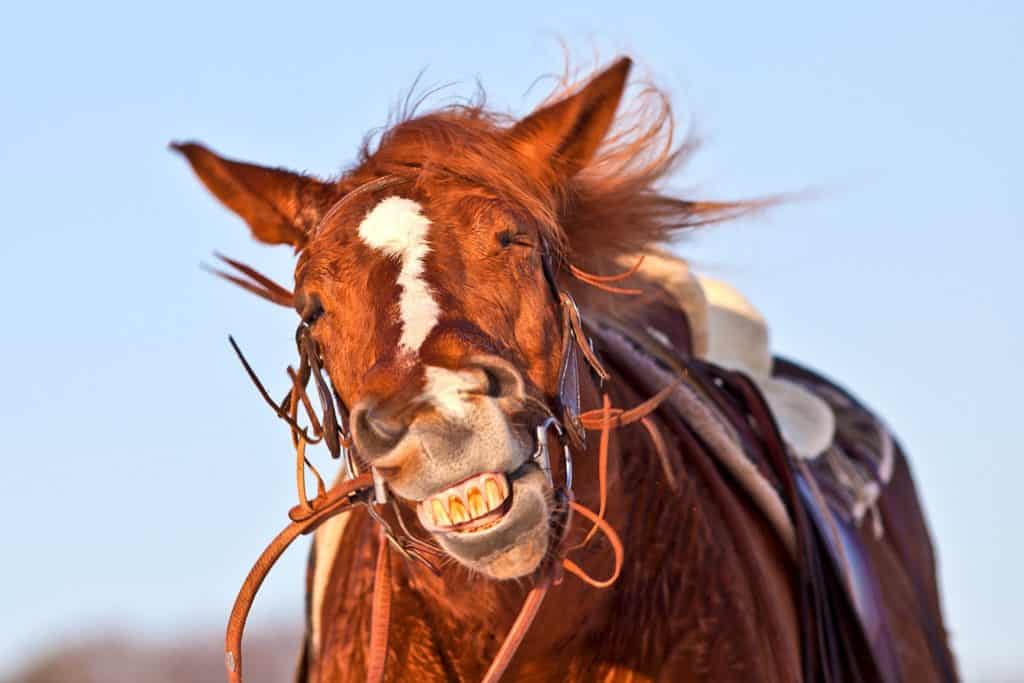
Some severe headshaking cases that are resistant to existing treatments and can significantly compromise a horse’s quality of life. But researchers have recently determined that a supplementation regimen could help.

Laminitis is one of the most common diseases in horses, and it has many different causes. Find answers to listener questions on endocrine-related laminitis in horses with conditions such as PPID, equine metabolic syndrome, and insulin resistance. Sponsored by InsulinWise.

Pay close attention to and never ignore possible red flag indicators that arise when considering or visiting horse boarding barns. Here are some of the issues potential boarders might encounter.

What are aflatoxins, how do they end up in livestock feed, and are they dangerous to horses? Our equine nutritionist explains.
Dr. Jane Manfredi offers insight into how certain supplements might support horses at risk for endocrine-related laminitis.

When you’re constructing a horse farm and have limited land, design and layout are critical to maximizing your time and resources. Download this free report for tips on how to design a functional farm on what land you have.

Researchers and veterinarians around the world strive to learn more about the lamellae and have made scientific advances in laminitis diagnosis, treatment, and prevention over the past several years. Here’s what we know.
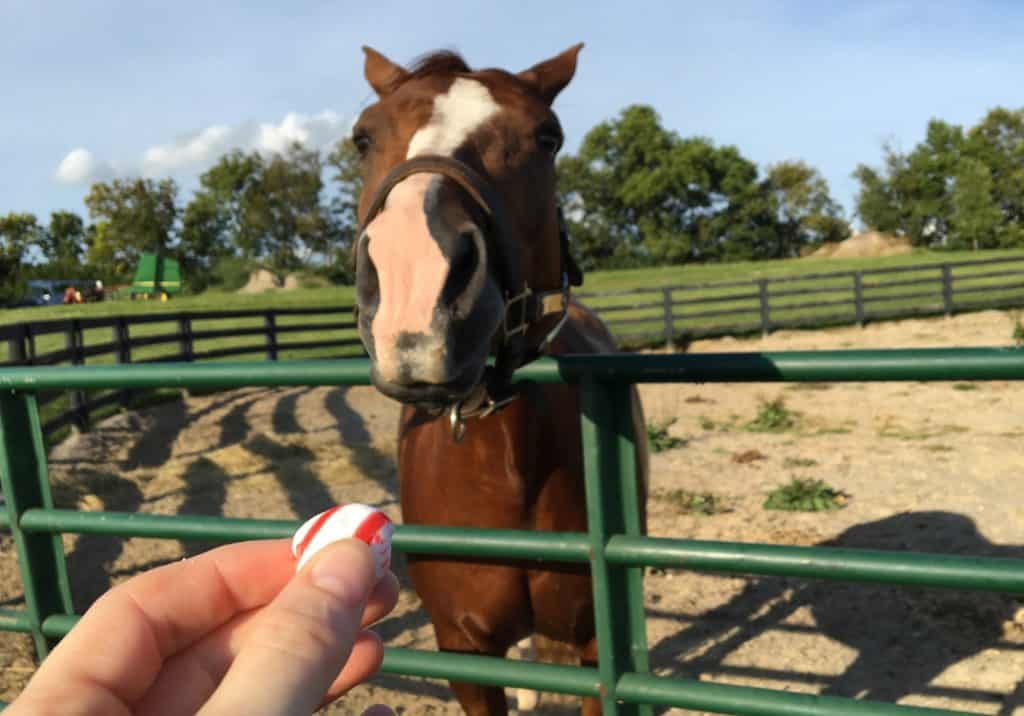
Will giving my horse peppermints offset the hard work we’re doing to help her lose weight?
Researchers have learned that genetics have more influence on a horse’s risk of developing EMS than previously thought.
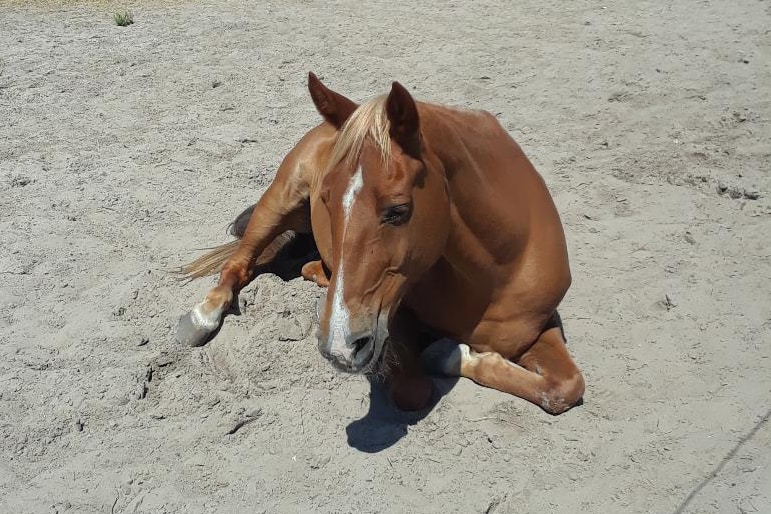
Journalist Pat Raia has written about horse health and welfare issues for years, but she learned it’s a whole different ballgame when your own horse is the patient. Here’s what she experienced when her horse colicked recently.

Cargill is voluntarily recalling Southern States Triple 10 horse feed and other select livestock feeds due to elevated aflatoxin levels.

Apples are a token equine treat, but could they be toxic? While it’s unlikely, our nutritionist still says to use caution when feeding fruits to horses.

Are you looking for an economical option to make sure your easy-keeping horse is getting the nutrition you need? Dr. Clair Thunes suggests trying a ration balancer.

Dr. Clair Thunes shares information about how blood tests can help ensure your horse is getting the nutrition he needs.