RMTC Makes Corticosteroid Recommendations
Among the recommendations was a prohibition on corticosteroids joint injections within seven days of a race.

Among the recommendations was a prohibition on corticosteroids joint injections within seven days of a race.
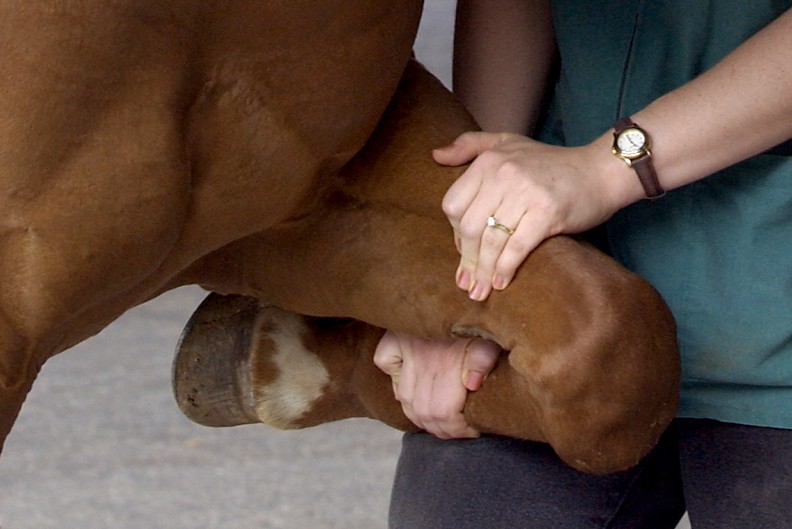
Dr. Debra Sellon of Washington State University talks about new and traditional methods of managing pain for horses during the 2012 AAEP Convention in Anaheim, Calif. The options might surprise you.

A single impact injury did not cause generalized osteoarthritis in the fetlock during the study period.
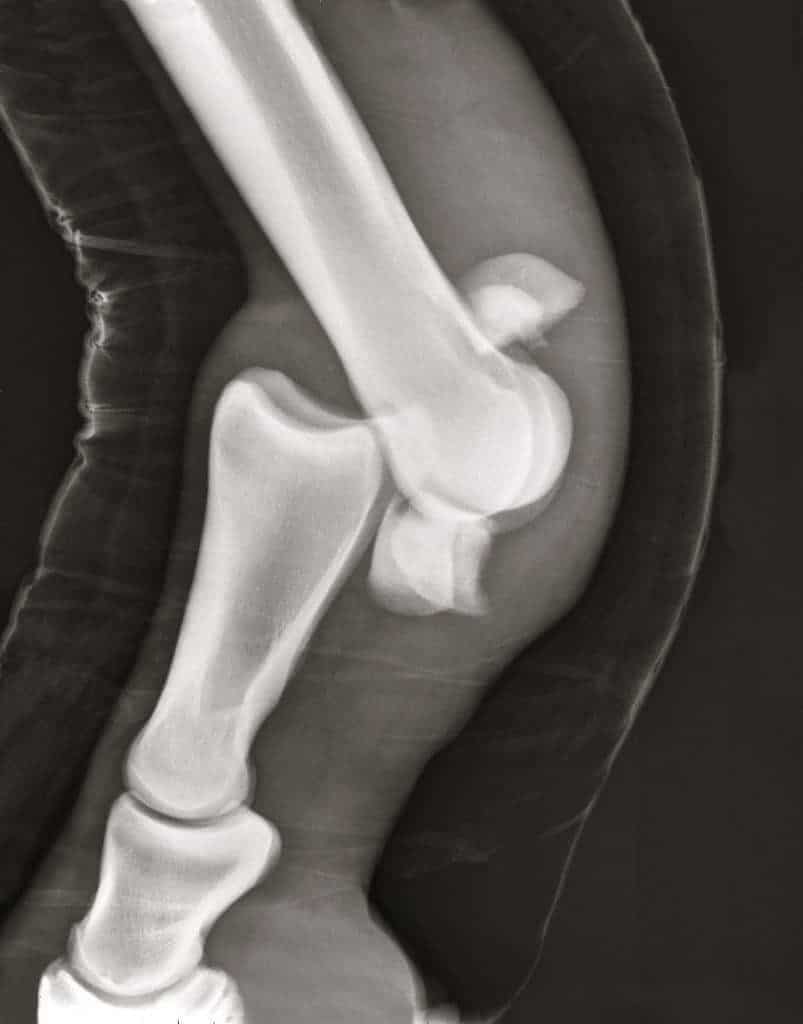
Bone fractures in horses, whether catastrophic or microscopic, heal through a complex sequence of events.

The goal for sport horses, from prepurchase exams through their careers, is to extend the time to retirement.

Researchers found that clinical signs of cannon bone fractures in sport horses and racehorses were similar.

One researcher evaluated pharmacologic methods of osteoarthritis management and recent pain control advances.

Exercising foals helps condition articular cartilage and delay future joint disorders, one veterinarian says.

Chris Newton, DVM, and Scott Morrison, DVM, will present lectures related to sport horse health.

Researchers recently examined the factors that could affect a horse’s propensity for injury and future use.

Neurologic signs, weakness, gait changes, and forelimb lameness can all point to an equine neck condition.

The 4-year-old filly sustained the beginnings of a condylar fracture in her right hind leg during a workout.
Yves Rossier, DVM, presented information on an FEI-funded study on equine injuries at a recent conference.
Osteoarthritis (OA) is a degenerative and career-compromising disease in horses.

Educating trainers about the warning signs of catastrophic injury can help improve equine safety.
Corticosteroid use is controversial, but the medications are beneficial when used appropriately, one vet says.