Pinpointing Poor Performance in Horses
Veterinarians describe 9 common causes of poor performance in horses and what it takes to get a diagnosis.

Veterinarians describe 9 common causes of poor performance in horses and what it takes to get a diagnosis.
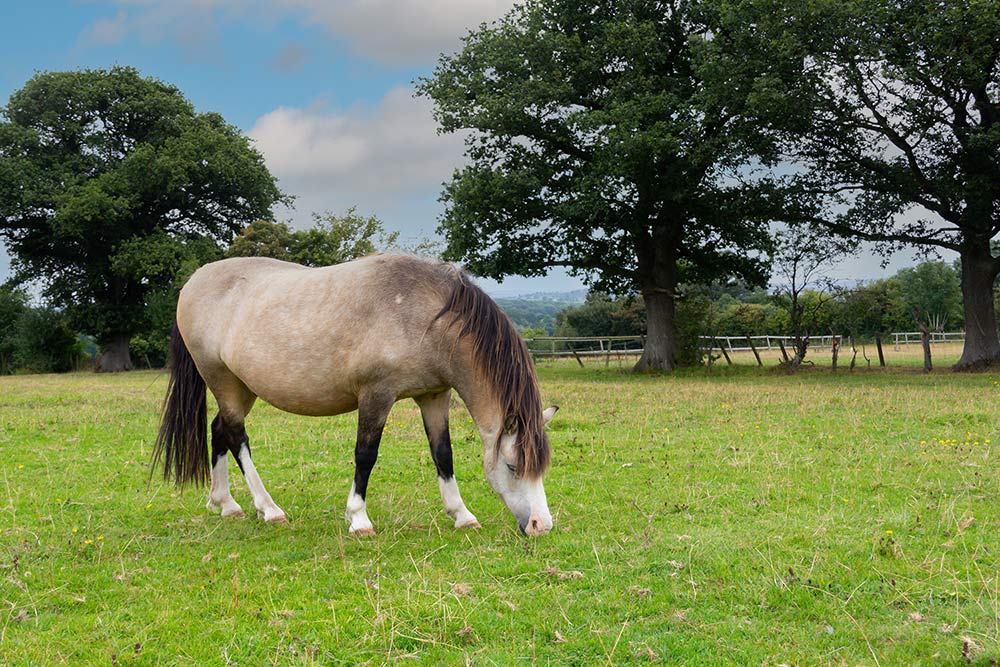
Learn tips and tricks for navigating the difficulties of managing overweight horses in this article from The Horse‘s Fall 2025 issue.
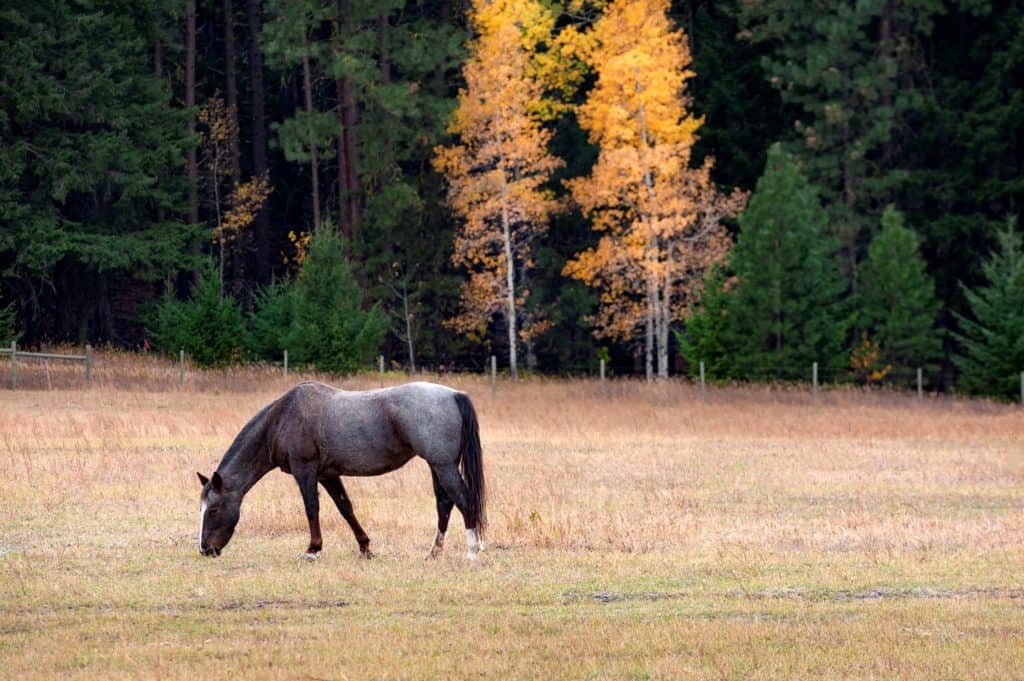
Nutritionist Dr. Clair Thunes shares advice on how to reduce your horse’s risk of colicking this fall.

How farriers trim and shoe horses for their unique biomechanics, discipline, and riding surface.

An equine nutritionist answers common questions about beet pulp, which has long been a mainstay in many feed rooms for horses.

What types of feeds improve a horse’s energy levels? Why might a sluggish horse need additional electrolytes? An equine nutritionist explains.

Veterinarians weigh in on the do’s and don’ts of wound care, from discovery to recovery.

Here’s how to properly condition your mare before, during, and after her pregnancy.

Learn about 5 reasons for limb swelling in horses, from benign triggers to causes for major concern.

Get tips for ensuring your horses receive the nutrition they need without eating all your money.
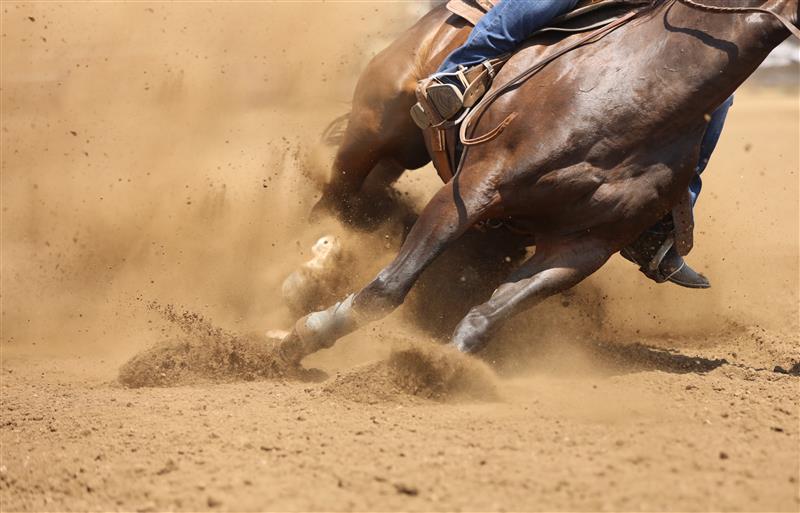
Researchers are exploring macrophage-based therapies to resolve inflammation and improve long-term joint health in horses.

Experts describe how to help horses experience a comfortable and healthy retirement.

One’s designed to be the horse’s whole diet, while the other is meant to complement his forage ration. Which is best for your horse?

What are the most common neck issues in horses and how are research and technological advancements helping veterinarians diagnose them?

Two experts explain how you can improve your horse’s joint health through nutrition and how to choose high-quality joint supplements.
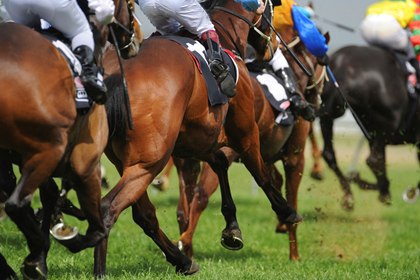
One expert explains what researchers know about EASD in horses and advancements they hope to make in prevention.