Zenyatta to be Bred to Tapit in 2012
Zenyatta, 2010 Horse of the Year, will be bred this year to Gainesway Farm stallion Tapit for a 2013 foal.

Zenyatta, 2010 Horse of the Year, will be bred this year to Gainesway Farm stallion Tapit for a 2013 foal.
BLM will spend $300,000 on 12 projects to improve conditions where wild horses and burros reside.
Yun Young Go completed her PhD at the University of Kentucky Gluck Equine Research Center.

One researcher says that it is very rare to see a spontaneous quarter crack not associated with sheared heels.
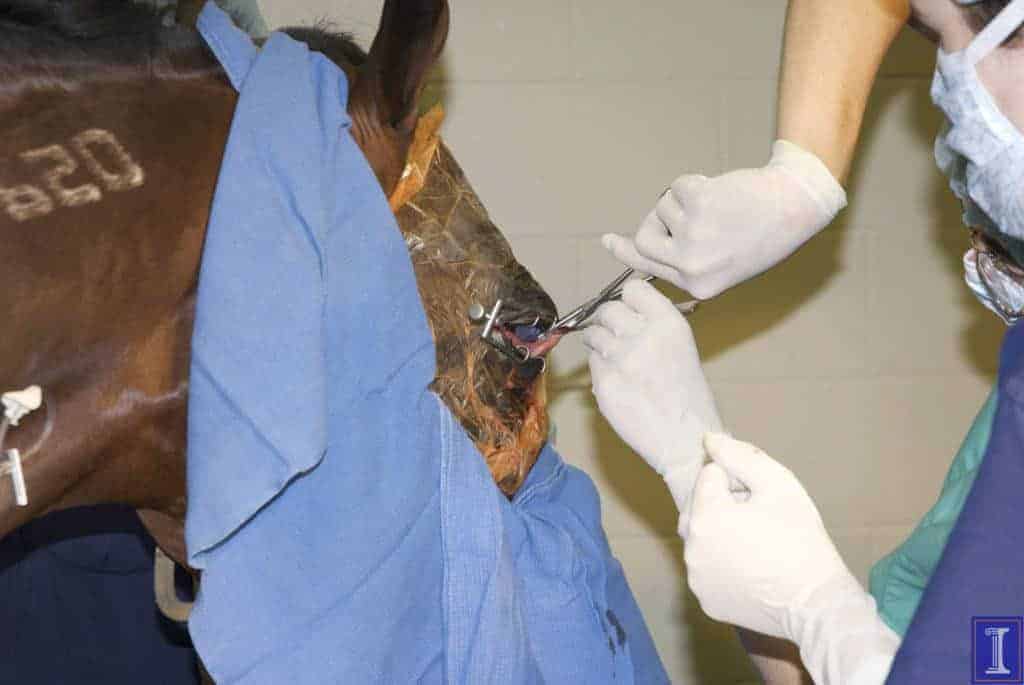
Removal of the equine third eye lid using sedation and local anesthesia appears to be safe and effective.

Rob Foss, DVM, of Equine Medical Services in Columbia, Mo., discusses equine reproductive technology, including oocyte transfer, embryo cryoperservation, in-vitro oocyte maturation, in-vitro fertilization, intracytoplasmic sperm injection, and more.
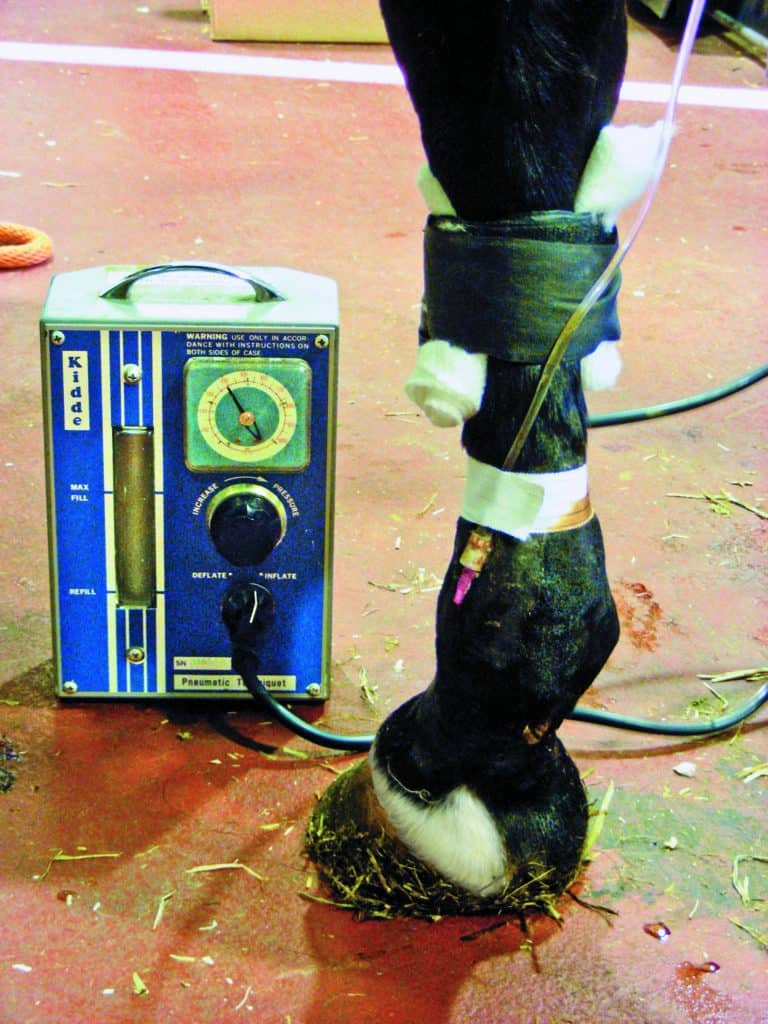
Regional limb perfusion can be performed safely, effectively, and comfortably without general anesthesia.

Study horses treated with full-limb casts had a fivefold greater risk of developing laminitis.

One researcher concluded that when dosing PBZ in the horse, “More is not better. Less is less effective.”

The Lembert single layer pattern is faster, stronger, and less likely to impede the intestinal flow.
The hyperbaric oxygen chamber was shut down for evaluation after a similar chamber in Florida exploded.
Sanjay Sarkar is a PhD candidate at the University of Kentucky Gluck Equine Research Center.
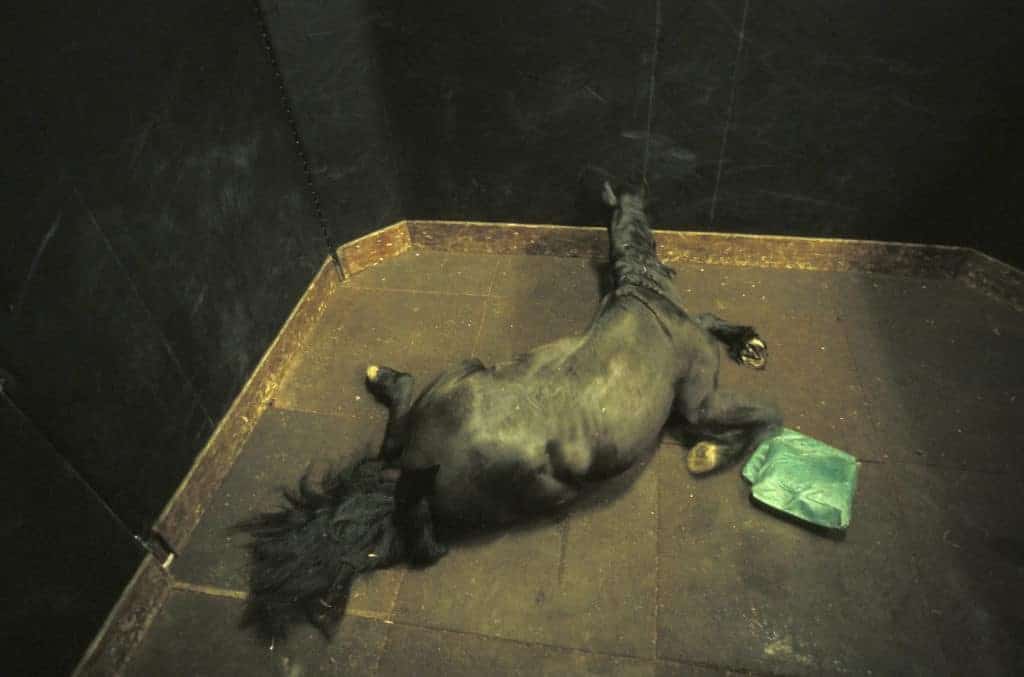
Compared to what’s known about seizures in other species, there’s surprisingly little data on equine seizures.
Livestock Investigation Training for county and state officials returns to Asbury University March 14-16, 2012
The grand opening celebration for the University of Kentucky’s Equine Reproduction Facilities was held Feb. 2.
Further investigations are needed to better understand disease transmission, treatment, and prevention.