Long in the Ears: Caring for Mules and Donkeys as They Age
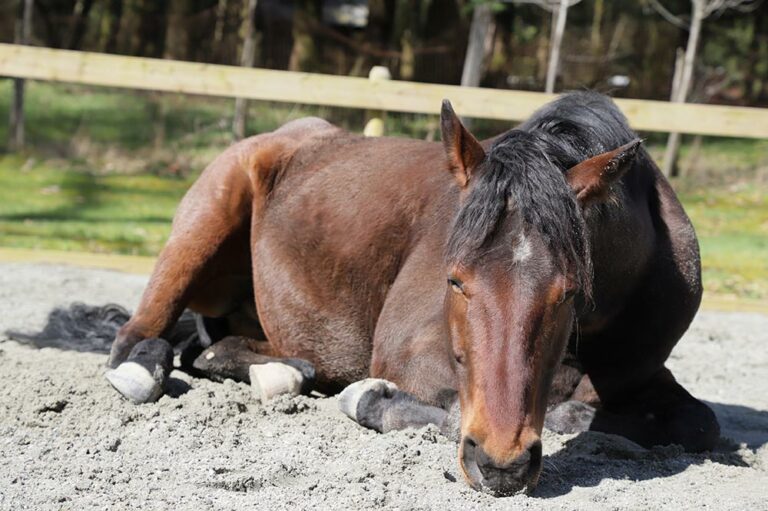
Aging mules and donkeys need to be managed just as carefully as horses. Here’s what you need to know.


Aging mules and donkeys need to be managed just as carefully as horses. Here’s what you need to know.

An adapted version of a machine used to evaluate soccer terrain might be useful for assessing riding arenas.

The cross-country phase of eventing comes with risk, but new research aims to keep horses and riders safer.

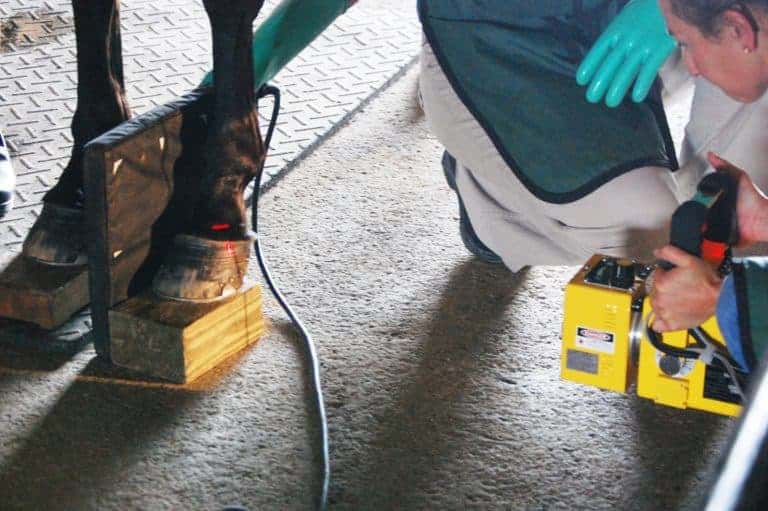
Researchers set out to learn if PET scans could predict and therefore help prevent potential catastrophic injuries in racehorses.

Study results showed horses might wait for a more appealing treat, demonstrating self-control.

Horses euthanized chemically might be candidates for composting, say researchers.

Research showed that housing horses on deeper bedding might improve sleep quality and mood.

Brain dissections can give researchers and scientists a better understanding of how horses think.

Researchers discovered a connection between Chromosome 25 and the presence of kissing spines in horses.

Researchers determined six key factors for evaluating the human-horse bond.

Results from a new study revealed some horses might associate mounting blocks with bad experiences.
A horsewoman embarks on a cross-country trip with her horses, from Paris to Florence, to better understand the horse-human connection.

A positive horse-human relationship starts with an awareness of shared goals.

Subjective measures of a horse’s performance might not always line up with good welfare.

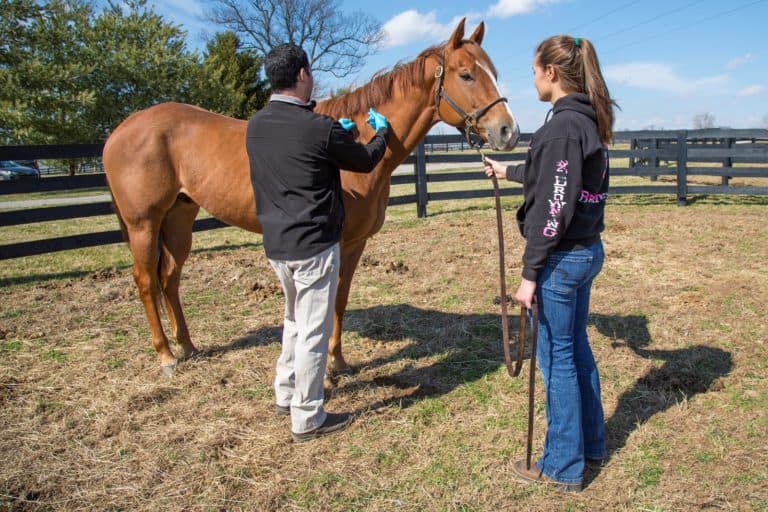
Learn about the diseases veterinarians recommend protecting your horse against and how vaccination could save your horse’s life.

Many equine-assisted services providers said they’d consider using retired racehorses in their programs; nearly one-third already do.