Preventing and Managing Equine Metabolic Syndrome in Horses
How to recognize at-risk horses and manage them appropriately to prevent severe disease.


How to recognize at-risk horses and manage them appropriately to prevent severe disease.

The Type 2 diabetes drug might help horses with chronic hyperinsulinemia and laminitis that haven’t responded to management changes.

Researcher: The BEMER blanket technology provides a medication-free solution for reducing pain in the croup and saddle area.

Researchers found the muzzle and outer nostril region present an alternative and less invasive way to test horses for EHV-1.

A 13-year study showed this PPID treatment improves horses’ clinical signs and quality of life over prolonged periods.

Researchers recently found healthy racehorses tested positive for SARS-CoV-2 following a COVID-19 outbreak among racetrack personnel.
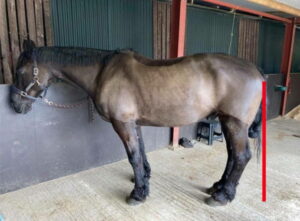
Researchers found a strong association between hind hoof balance and posture that could affect overall musculoskeletal health.

Researchers have discovered that ponies that have suffered from laminitis have higher blood pressure and therefore overproduce vasodilators.

At the 2022 BEVA Congress, one presenter discussed the challenges associated with SDFT injuries, plus potential solutions.
After testing horses during a 2022 EHV-1 outbreak, researchers found even those showing no signs shed common respiratory pathogens.
Is your horse’s cough something to be concerned about?

Perform trot-ups on both flat and sloped surfaces to fully understand a horse’s lameness.

MRI imaging of the stifle joint has shown evidence of injuries to a variety of soft and hard tissues.
Christa describes equine nutrition challenges during her cross-country trip on horseback from Paris to Florence.
Researchers assessed whether group housing situations influenced horses’ sleep routines.
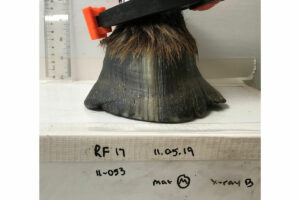
Despite poor hoof quality, the feral horses on Sable Island had a low prevalence of laminitis.