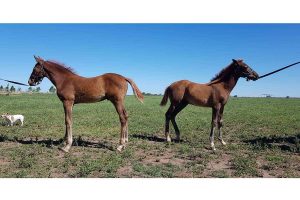
Genetically Female Foal Produced From Male Clone Donor
Researchers have confirmed that a female horse has been cloned from a male.


Researchers have confirmed that a female horse has been cloned from a male.
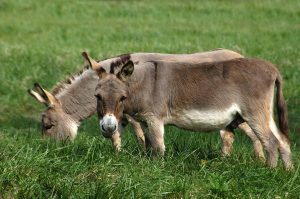
Donkeys might benefit from higher doses of morphine for pain relief than what veterinarians usually prescribe for horses.
Researchers in Germany are testing the therapeutic antibody, which might provide effective relief from IBH discomfort.
Researchers have determined that testing bronchoalveolar lavage fluid might be the most accurate way to diagnose horses with equine asthma.
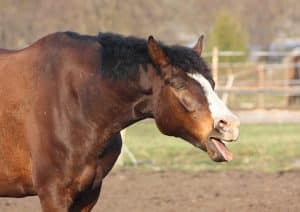
Researchers are working to find a way to individualize equine asthma treatment.

Researchers say that even three weeks after weaning foals still experience increased stress levels.

If your horse is acting naughty when handled or ridden, he might be trying to avoid pain somewhere in his body.

New research shows sport horses had increased hock angles when the hind hooves were shod and might show reduced lameness.

Find out how veterinarians prevent and treat this painful condition.

Heat, humidity, and race distance significantly increase the risk of exertional heat illness in Thoroughbred racehorses on British tracks.
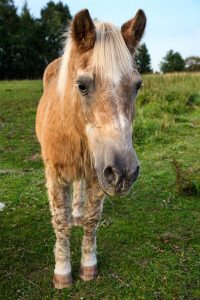
Establishing a standard glucose testing method worldwide could generate more accurate results, leading to better care and welfare of horses with PPID, or equine Cushing’s disease.
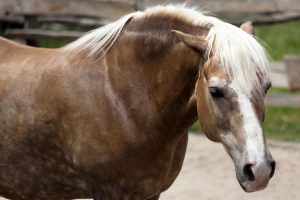
Insulin dysregulation can coincide with high ACTH concentrations in the fall, even when an animal does not have PPID.

Horses might show a slight asymmetry in their gait without being truly lame.

Resin fillings used in human dentistry can offer long-term solutions for preventing and managing infundibular caries.

Timely decision-making could be the life-saving factor for colicking horses.

The horse’s fed vs. fasted state, dose and type of corn syrup, season, and simultaneous endocrine testing might alter the results of this insulin dysregulation testing method.