Update: Maryland’s Equine Herpesvirus Outbreak
Horses at Laurel Park and Pimlico have now tested positive.


Horses at Laurel Park and Pimlico have now tested positive.

No other horses have shown fever or clinical signs for 24 days.

Three horses at the private facility were exposed after the affected horse arrived from Mexico.

Canadian officials have enacted voluntary quarantines at both facilities.
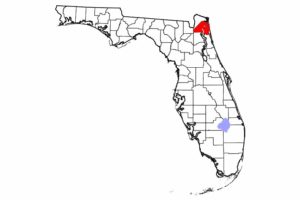
The cases are not epidemiologically linked to recent Marion County cases.

Hospitalized geriatric horses that recovered from severe colitis showed positive changes in their gut microbiota after receiving diluted feces from healthy horse donors.

A new study provides evidence that human speech style can affect equine behavior and that pet-directed speech (aka “baby talk”) improves human-horse communication.

An analysis of EID data shows a decrease in the rate of fatal injury in 2020 compared to 2019.

Veterinarians sought to determine whether phosphorylated neurofilament heavy (pNfH), a protein unique to neurons, could be used to diagnose CVCM, eNAD/EDM, and shivers.

Use this guide to help create an internal parasite control program for your adult horse.

Finnish researchers found more horses with bit-related lesions than without—and most of the riders had no idea.

No additional cases have been confirmed for 14 days.

The Sonoma County boarding facility has had no further cases in 14 days.

Our nutritionist helps resolve a debate between friends about whether a horse with poor hoof quality would benefit from a hoof supplement or a properly portioned ration balancer.
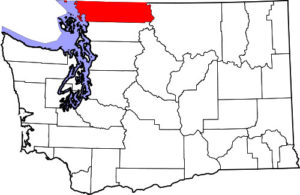
The horse’s Whatcom County boarding facility is under voluntary quarantine.
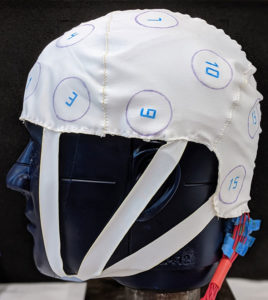
A new sensor cap designed just for helmet wearers is giving feedback that could not only improve fit but also lead to better diagnostics and treatment when riders fall.