Feeding the Estrous Cycle: Tailoring the Mare’s Diet
- Topics: Article
Tailor your mare's diet and carefully monitor/address her body condition to maximize her chances of conception.
Mares must have a well-balanced diet and healthy body condition to cycle properly and conceive and carry a foal. According to equine nutritionist Tania Cubitt, PhD (Performance Horse Nutrition), nutritional management is a simple, cost-effective tool to ensure normal estrous cycles and optimum pregnancy rates. If adequate nutrients are not accessible to the mare as stored body fat or available in the feed, she will not cycle.
Importance of Body Condition
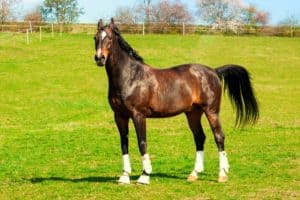
A common mistake some owners make when they decide to breed a mare is not planning ahead–they make the decision to breed at the last minute. At this point, pregnancy might not be feasible if the mare is too thin or too fat. "Owners need to be proactive and get the mare in proper body condition first," says Cubitt. "If her body condition score (BCS) is somewhere between 5 (moderate) and 7 (fleshy) on the Henneke scale (see TheHorse.com/pdf/nutrition/bcs.pdf), there's a much better chance of getting her pregnant."
Amy Gill, PhD, a private equine nutrition consultant in Lexington, Ky., says thin mares are less likely to cycle, become pregnant, or stay pregnant than mares with adequate stored energy in the form of adipose (fat) tissue. Broodmares with body scores of 4 and below are too thin for a healthy pregnancy, and mares with scores of 8 to 9 are too fat. Mares with desirable BCS between 5 and 7 start cycling earlier in the breeding season than mares with low body condition scores. "Adequate body condition helps create a positive energy balance, which tells the mare's body there's enough energy to cycle and become pregnant," says Gill
Create a free account with TheHorse.com to view this content.
TheHorse.com is home to thousands of free articles about horse health care. In order to access some of our exclusive free content, you must be signed into TheHorse.com.
Start your free account today!
Already have an account?
and continue reading.

Related Articles
Stay on top of the most recent Horse Health news with