10 R. equi Resources on TheHorse.com
Rhodococcus equi is the most serious cause of pneumonia in 1- to 4-month-old foals. Learn more about this potentially deadly pathogen and how to protect your foals with these resources on TheHorse.com.

Rhodococcus equi is the most serious cause of pneumonia in 1- to 4-month-old foals. Learn more about this potentially deadly pathogen and how to protect your foals with these resources on TheHorse.com.
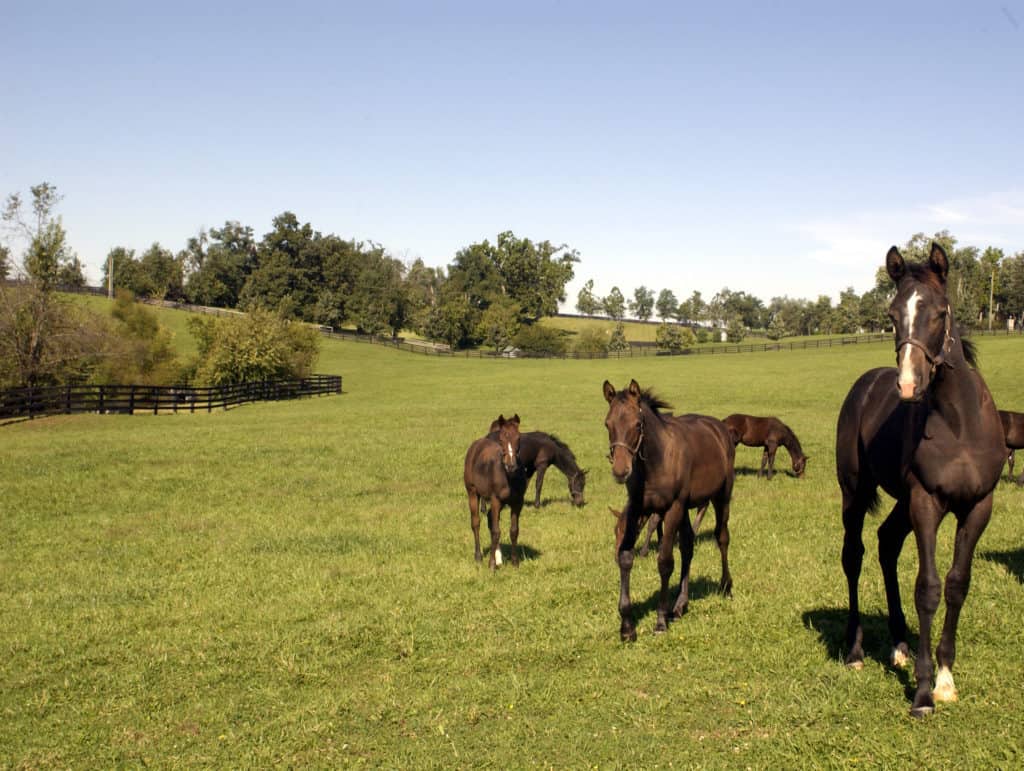
Don’t wait until your foal is weaned to plan a diet that meets his increased energy, protein, and mineral requirements.

While some types of diarrhea in horses present little to worry about if watched carefully, others can be life-threatening. Read more about this condition’s causes, diagnosis, and treatment.

Learn about this important piece of the equine nutrition puzzle. Is your horse getting enough?

Our equine nutritionist offers her secrets for solving chronic diarrhea in horses.

Are your feeding practices doing more harm than good? Experts share four ways to improve your horse’s digestive health.

The 6-week-old Clay County Quarter Horse was euthanized July 15.
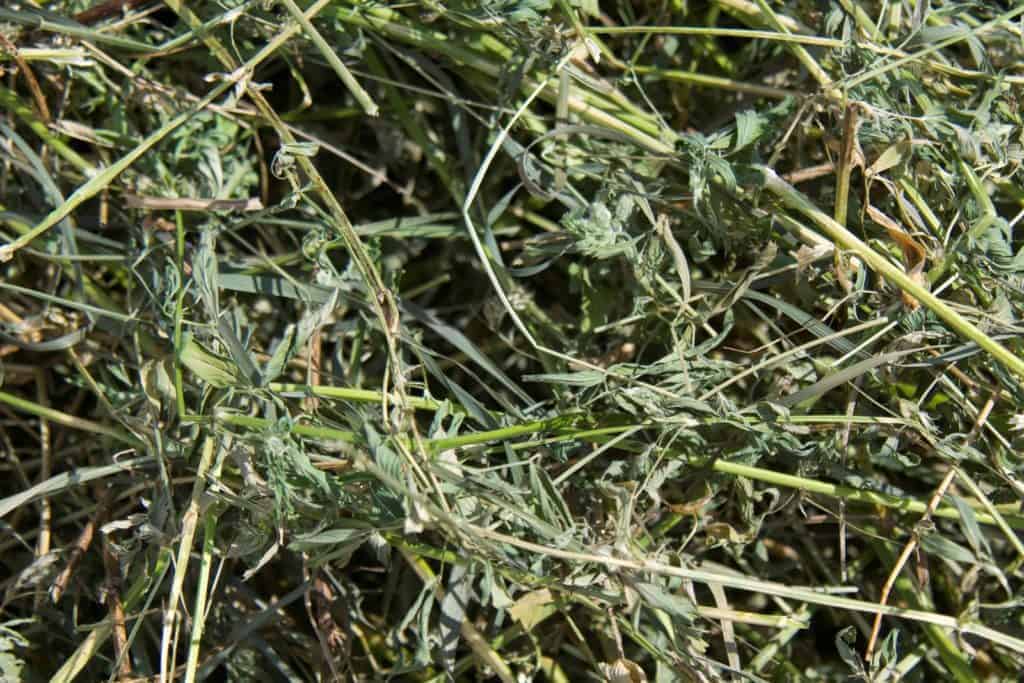
Is it okay to feed a growing 3-year-old horse alfalfa hay? An equine nutritionist weighs in.
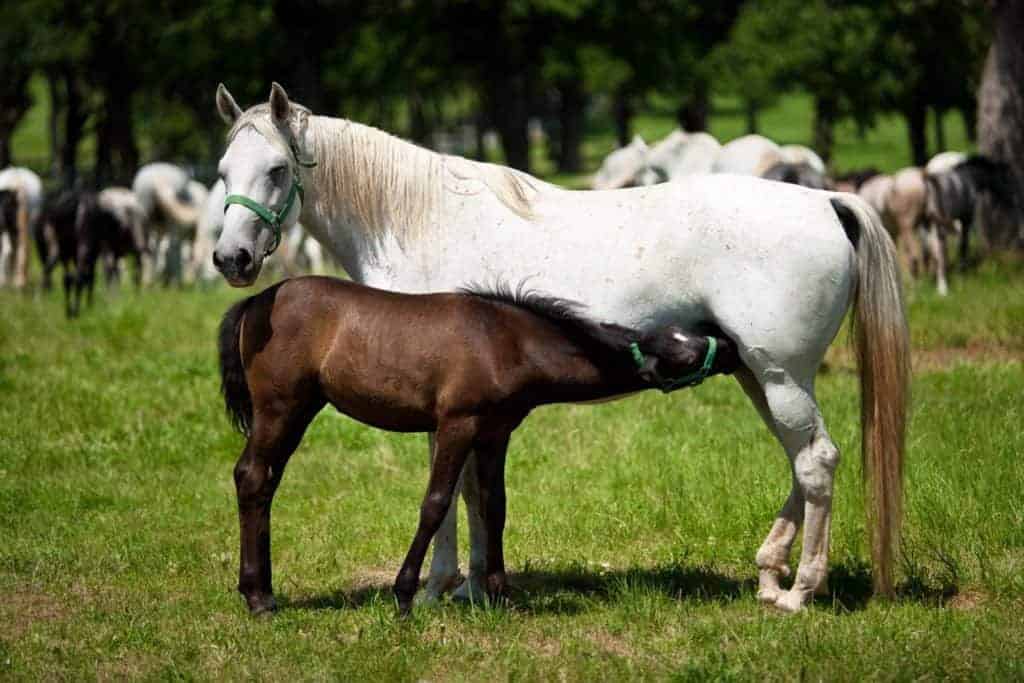
Digital and optical refractometers are simple, rapid, and cost-effective methods for assessing failure of passive transfer in foals with moderate to good accuracy, researchers found.

Infection can cause serious illness in neonates. Make sure your newborn receives enough disease-fighting antibodies from his dam’s first milk.
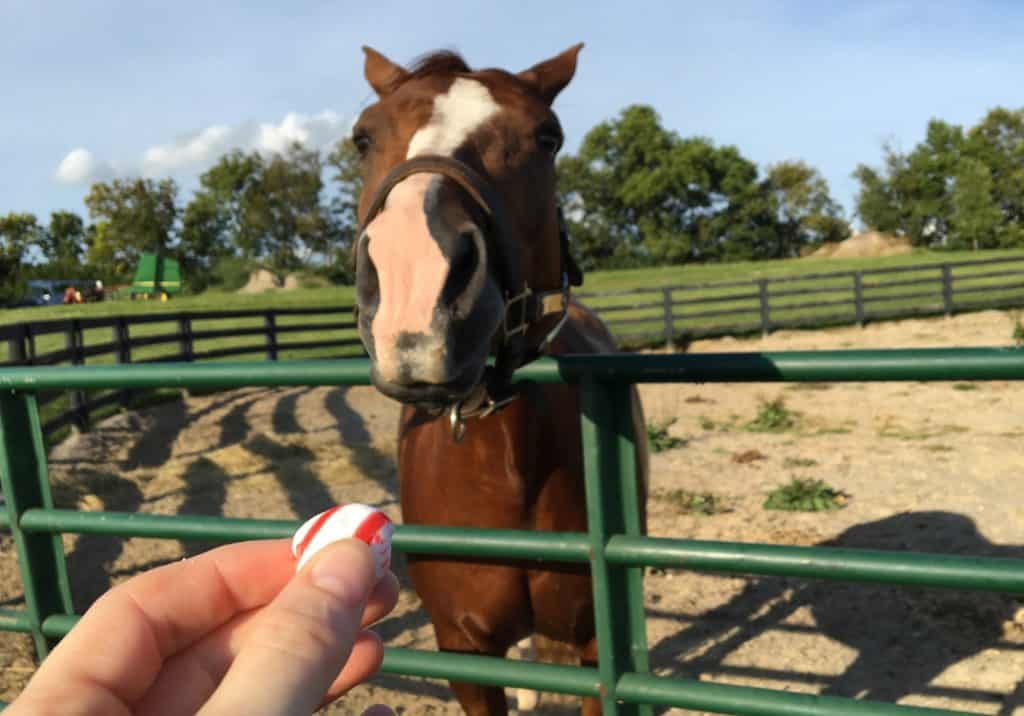
Will giving my horse peppermints offset the hard work we’re doing to help her lose weight?

Proper nutrition is critical for growth and development. Learn the right way to feed your foal.

Many factors affect your horse’s ability to mount an effective immune response, one of which is his age. Learn more about the horse’s immune system and how it functions at every stage of his life.

An independent equine nutritionist answers horse owner questions on forage, feed concentrates, fats, supplements, and more.
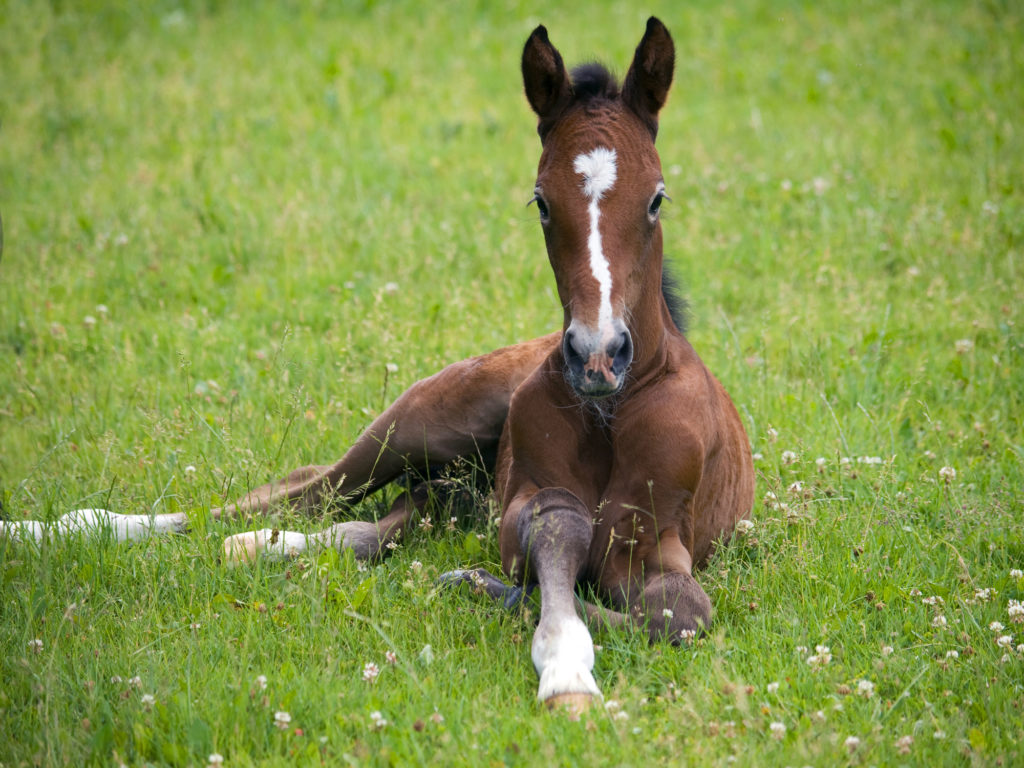
The University of Saskatchewan’s Western College of Veterinary Medicine will cover the fee associated with the necropsy of aborted fetuses, stillbirths, or euthanized foals suspected of having Warmblood fragile foal syndrome to gather additional information about the genetic disease.
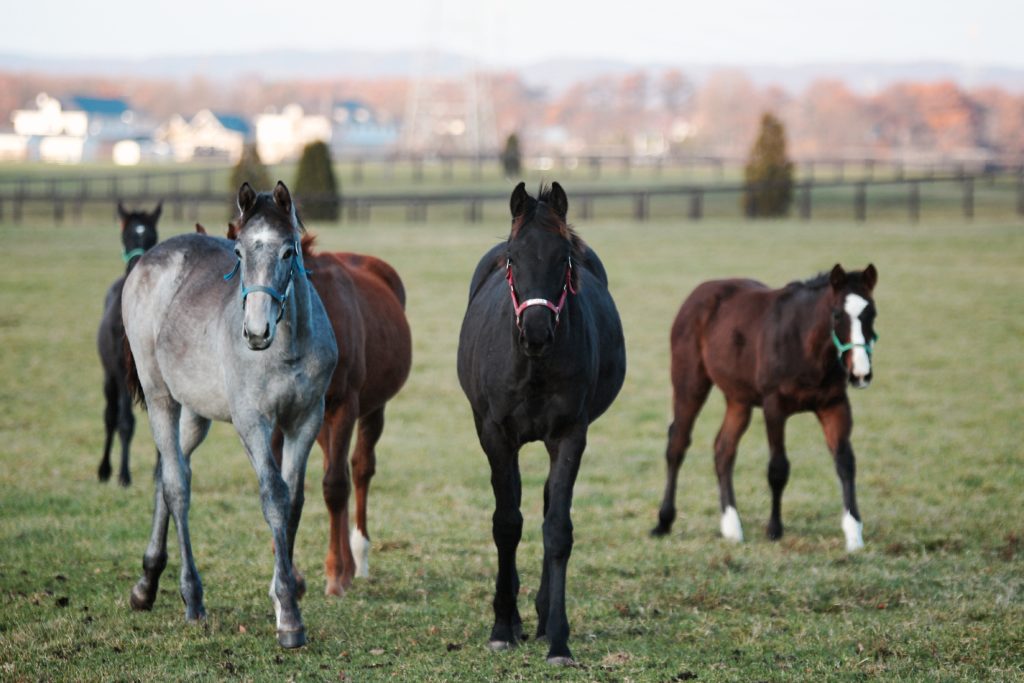
High-carb diets can put weanlings at risk for developmental orthopedic diseases. Could these horses get by on high-forage, low-concentrate diets?