Feeding the Orphan Foal
Orphan foals raised with a correct balance of nutrients and monitored for growth, food consumption, and weight gain can be every bit as tall, strong, and athletic as foals raised by their dams.

Orphan foals raised with a correct balance of nutrients and monitored for growth, food consumption, and weight gain can be every bit as tall, strong, and athletic as foals raised by their dams.

The information on your youngster’s feed tag is designed to help you make important feeding decisions.

Rotavirus is a leading cause of diarrhea in foals up to six months of age at breeding farms worldwide.

Veterinarians share their recommendations for managing orphan foals, including diet challenges and behavior issues.

From infectious disease to microbial imbalance in the gut, causes of chronic diarrhea in horses run the gamut. And, veterinarians agree, finding a solution should be a methodical trial-and-error process.

Recognizing and treating club feet in young horses can help them succeed in their intended discipline and, ultimately, prevent lifelong hoof complications.

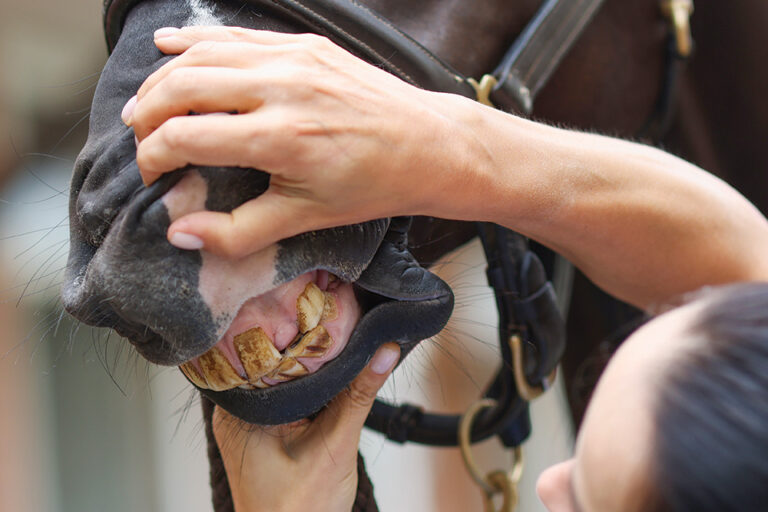
The transition from baby to permanent teeth often goes smoothly, but issues can arise along the way.

Dr. Rob MacKay shared presented research on ice boots and cryotherapy for laminitic horses, R. equi and insect bit hypersensitivity vaccines, EPM, and more.
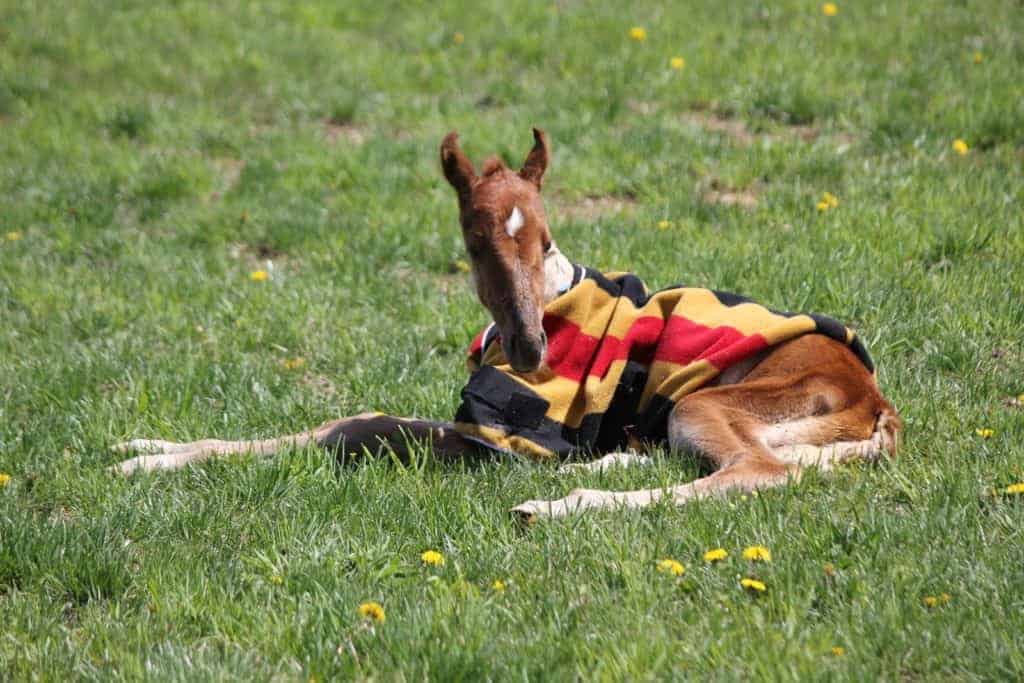
Your horse needs a strong immune system to stand up to the challenges that come with living outdoors, commingling with other equids, and more. Critical to that immune system are infection-fighting proteins called antibodies (immunoglobulin G, or IgG). How much do you know about your horse’s IgG levels?

The foal’s dam developed atypical myopathy in the sixth month of gestation. The foal, born at full term, was eventually euthanized due to atypical myopathy complications.

Researchers found that hoof balance changes rapidly during the first few weeks of a foal’s life.

Weanlings should grow steadily and moderately as rapid weight gain could put them at risk for developmental orthopedic diseases. Three experts share their tips for achieving appropriate growth via nutrition.
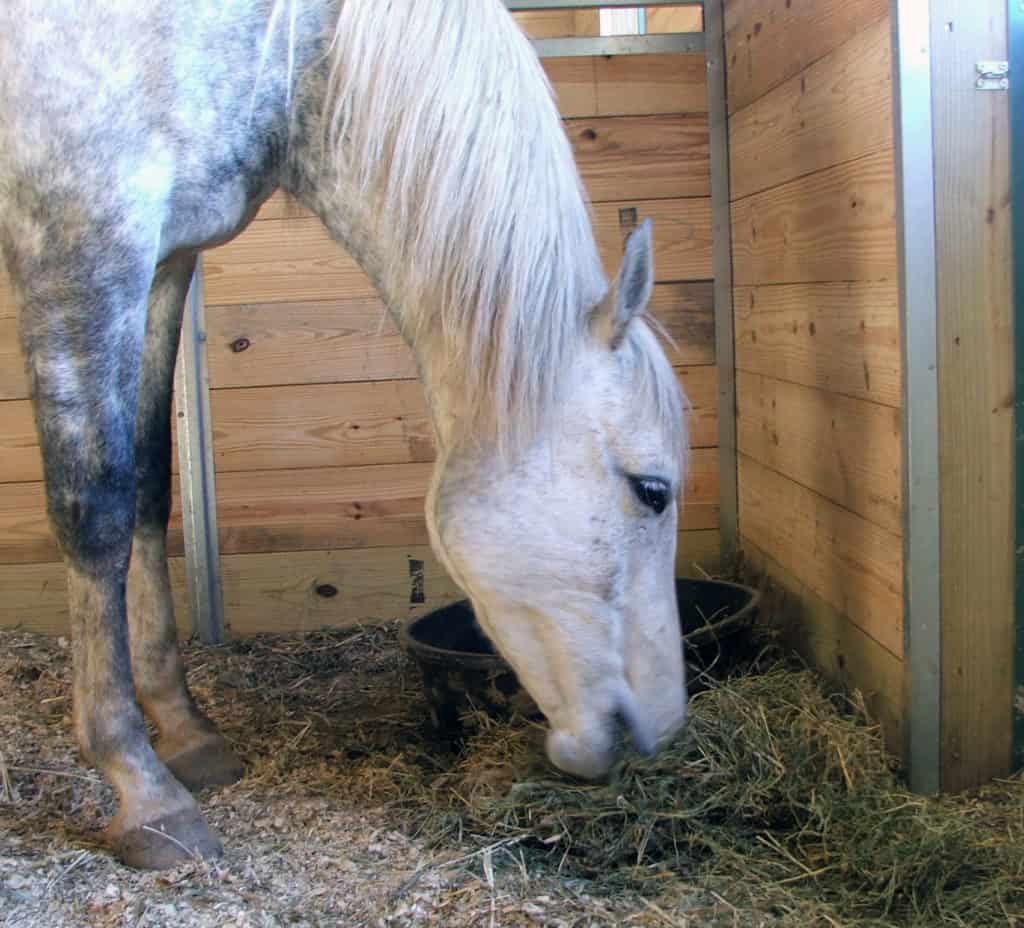
Acid detergent fiber and neutral detergent fiber measurements can help you decide if hay is good for your easier keeper, broodmare, or growing foal.
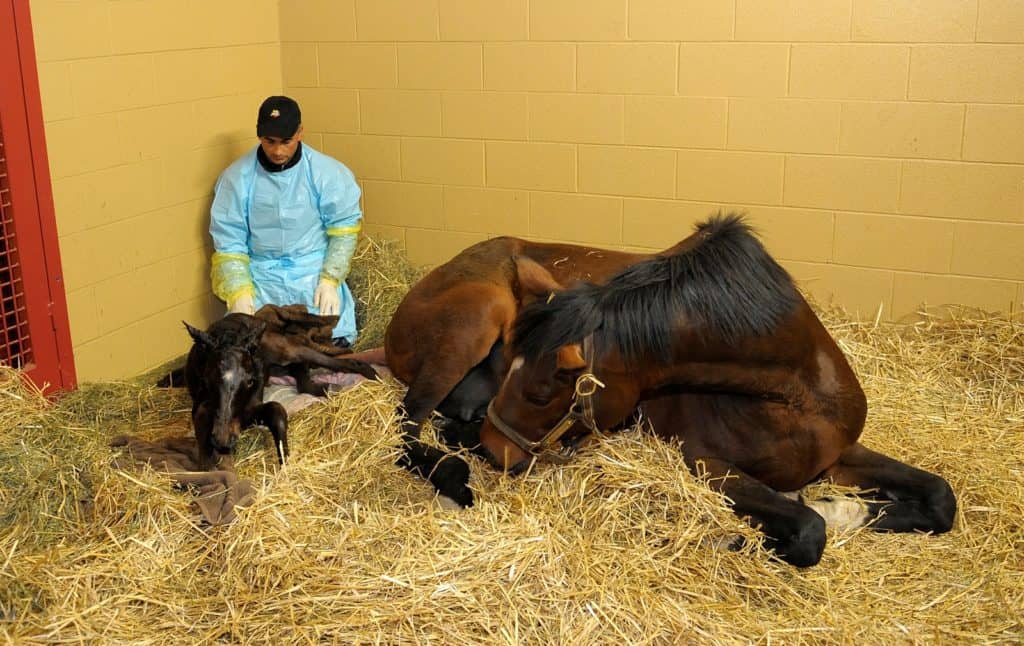
The accelerometer is designed to detect subtle restlessness, the researchers said. Small movements, such as weight-shifting or minor head-bobbing, could be caused by distress related to the first stage of parturition, they said.
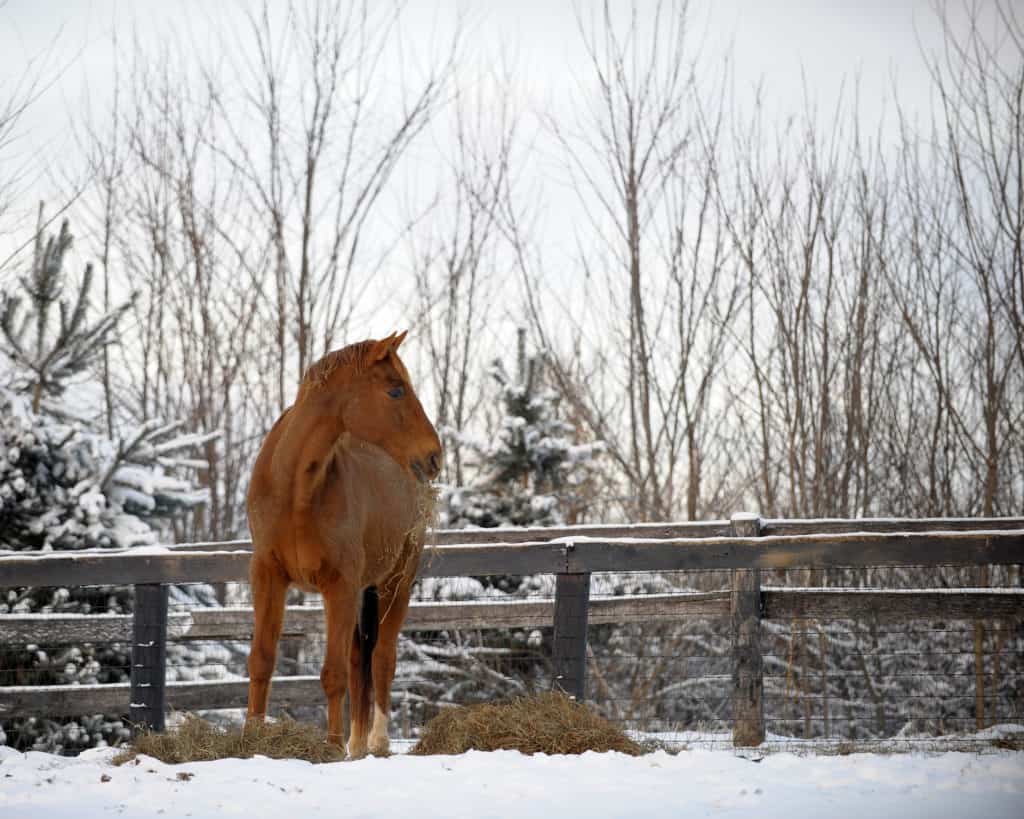
It’s one of the most common questions an owner asks: What should I feed my horse? Equine nutritionists look both to research and their own experience to find an answer, but oftentimes the most appropriate one is, “Well, it depends.” Here are some points they might take into account.

Download free reports on laminitis, senior horse care, medication administration tips, kissing spines, regenerative medicine, OCD lesions, and more.