Imprinting: The Great Debate
When it comes to equine education (training), horse owners face as many conflicting viewpoints as new parents.

When it comes to equine education (training), horse owners face as many conflicting viewpoints as new parents.
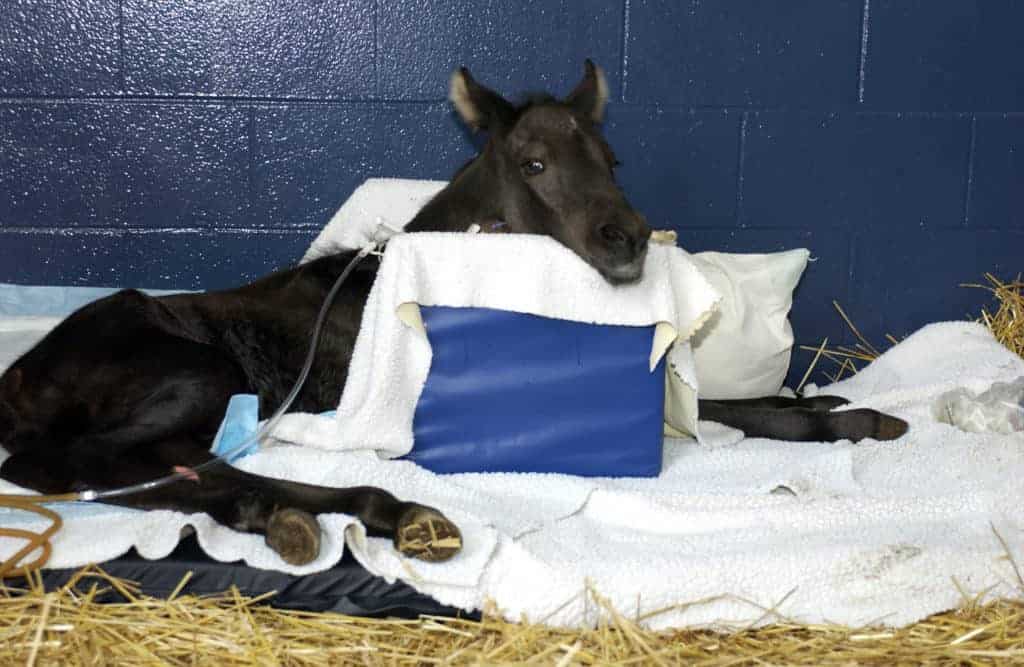
Prevention is key to avoiding neonatal isoerythrolysis, or destruction of a newborn foal’s red blood cells.

The horse’s metabolic processes provide the body with the fuels it needs to sustain itself.
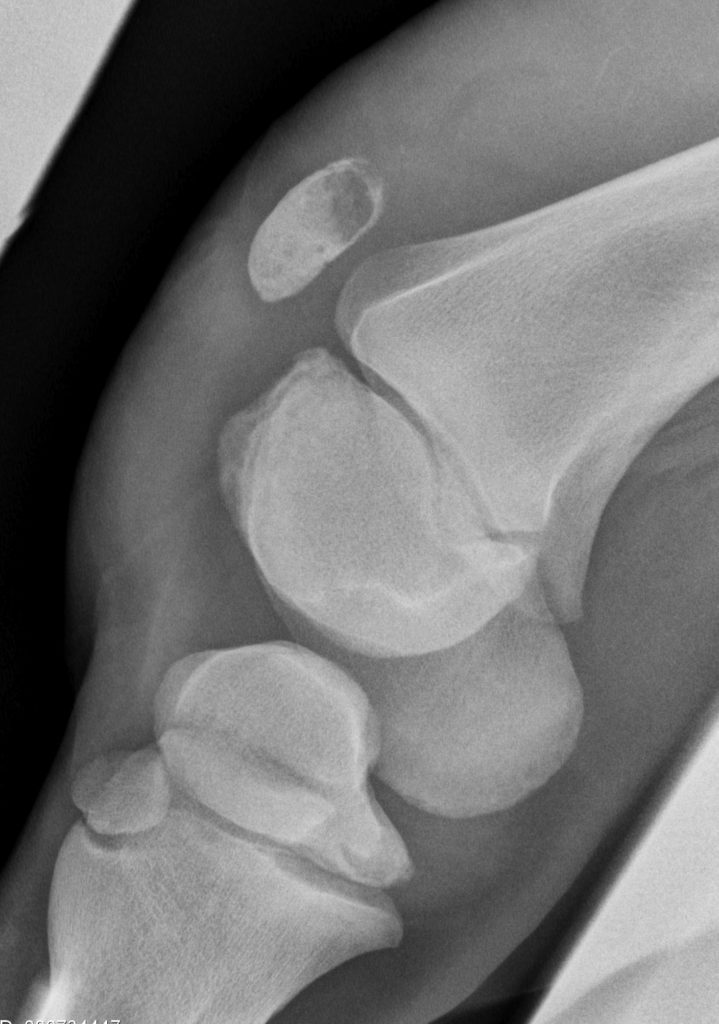
Patella infections in foals, while uncommon, can result in prolonged and severe stifle joint infection.

Owners or caretakers should be prepared for emergencies when mares are scheduled to foal.
In 2011 more than 325 confirmed cases were submitted for evaluation–the largest number on record.

Raising a foal isn’t rocket science, but it does require some forethought and planning.

Researchers are helping horse farms control and detect equine proliferative enteropathy (EPE).
TheHorse.com’s webinar on late-term mare and foal care is now available for viewing on demand.
The events will take place Jan 20-21, 2012 at the UK Veterinary Diagnostic Laboratory.
As Kentucky progresses through a near-record rainfall year, the UKVDL has observed leptospirosis abortions.
Topics covered in the webinar will include late-term mare care, foaling, and newborn/young foal care.
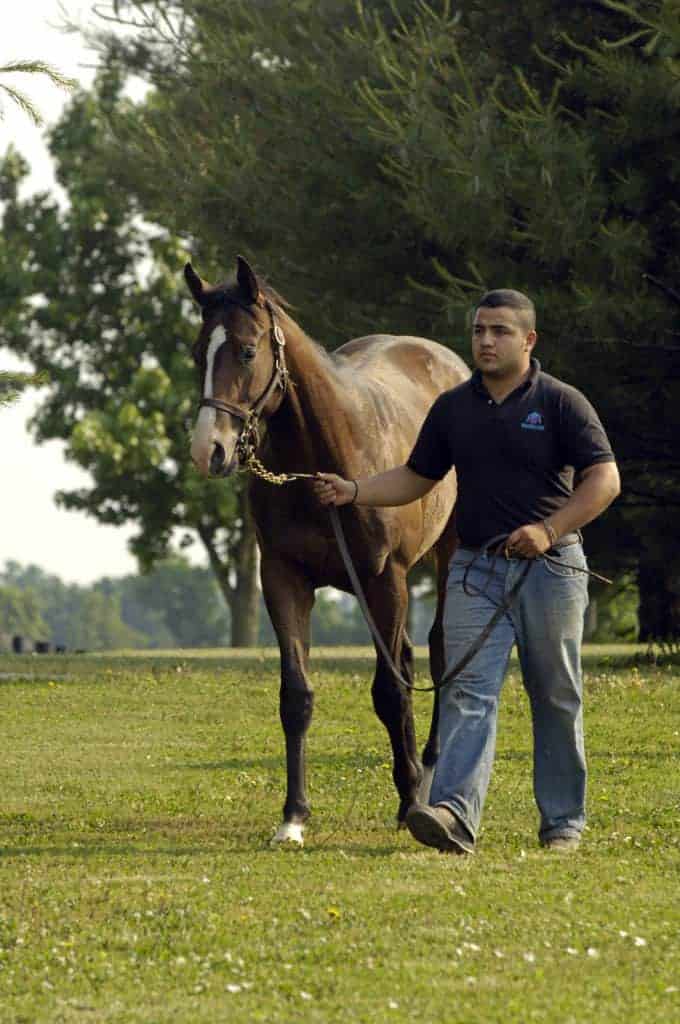
Researchers found a definite trend towards fundamental gender differences in equine behavior.

Caring for deciduous teeth in young horses requires additional considerations from a veterinary standpoint.
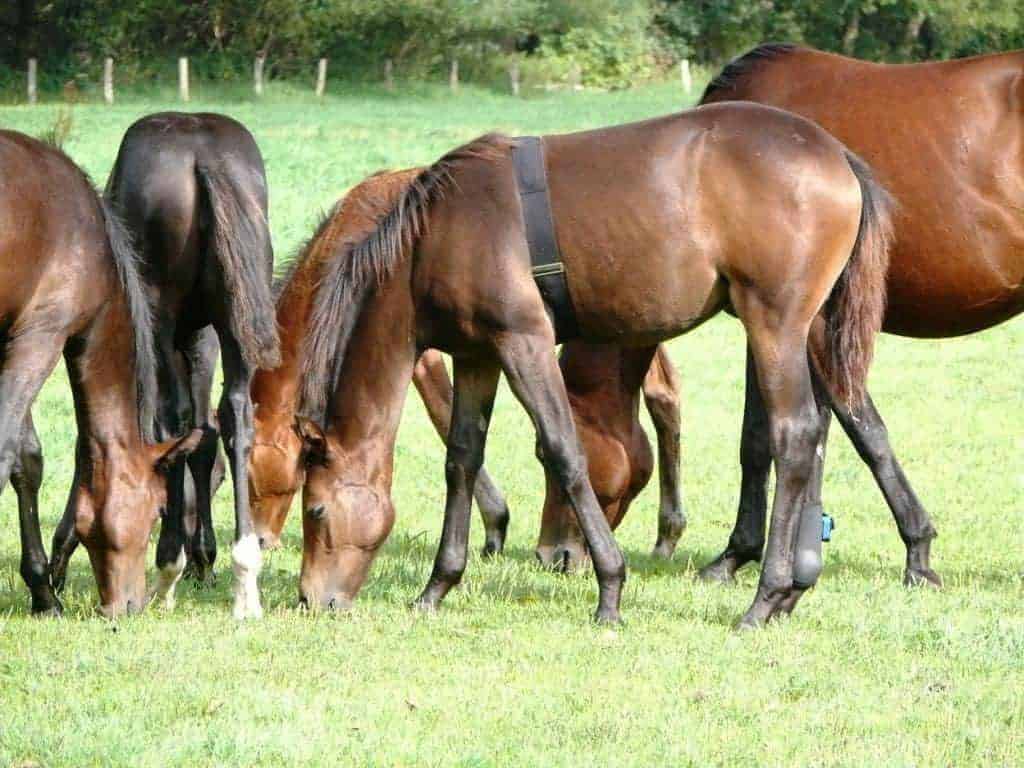
Researchers found that the presence of “nanny” mares reduced the amount of weaning stress foals experienced.

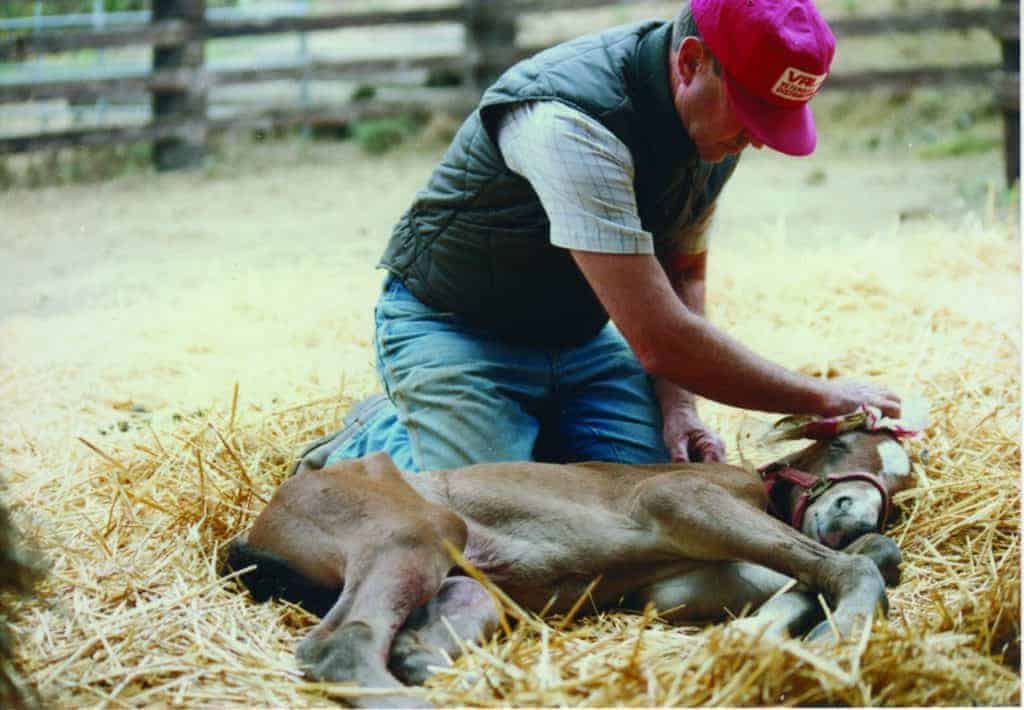
Research indicates that one-sided imprint training is not might not be as beneficial as once thought.