Exploring the Equine Microbiome
Researchers are discovering how the vast and varied microbes in the horse’s gastrointestinal tract impact equine health.

Researchers are discovering how the vast and varied microbes in the horse’s gastrointestinal tract impact equine health.

A vet reviews the different lesions practitioners might encounter during a colic and whether they warrant referral.

The 16-year-old Paint horse from Cabarrus County died after contracting the virus.

Vaccines have proven to offer horses protection against mosquito-borne diseases, including WNV and EEE.

The unvaccinated 18-year-old pleasure saddle horse mare presented with severe neurologic signs and was euthanized.

Researchers identified risk factors including hay type, water source, breed, and pasture access.
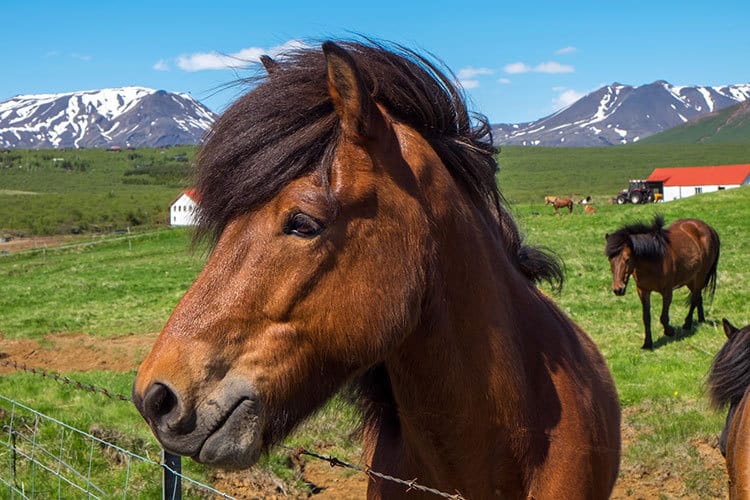
A specific strain of S. zooepidemicus was likely behind the horses’ coughing and nasal discharge.

Owners now have the option of purchasing insurance policies to cover some of companion horses’ medical expenses.

One of the yearling Quarter Horse fillies died and the other was euthanized.

The affected horses resided in Jackson, Livingston, and Missaukee counties. All three were euthanized.

Dr. Josie Traub-Dargatz shares lessons learned from equine disease outbreaks and tactics for avoiding infection spread.
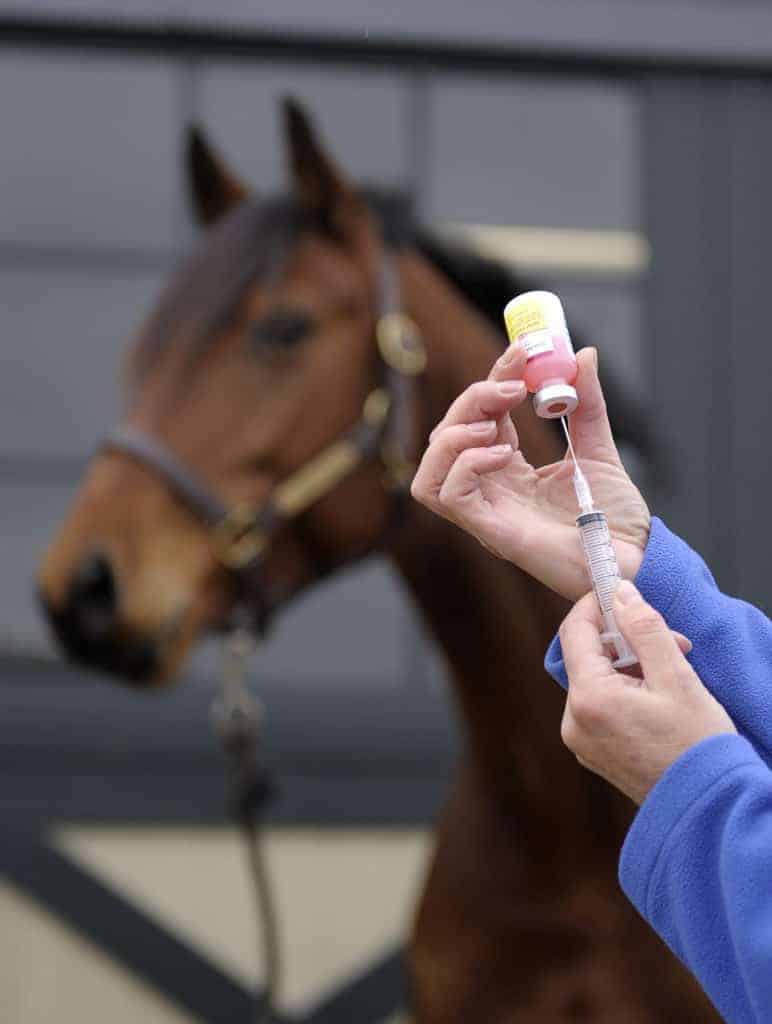
The AAEP recognizes the WNV vaccine as a core vaccine and recommends horses receive at least one dose annually.

The AAEP recognizes the WNV vaccine as a core vaccine and recommends horses receive at least one dose annually.
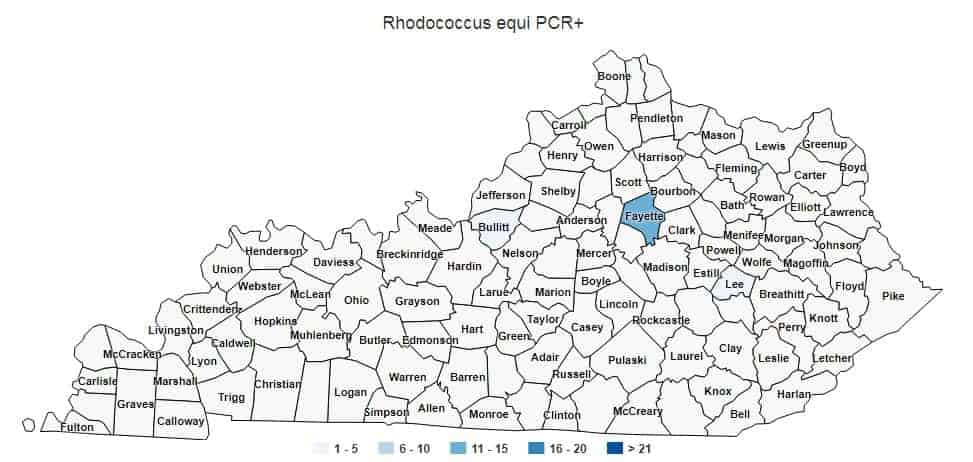
Rhodococcus equi is the most serious cause of bacterial pneumonia in foals 4 to 6 months old.
West Nile virus was detected in mosquitoes in Salt Lake County. Officials are encouraging owners to vaccinate horses.

The unvaccinated 18-year-old Tennessee Walking Horse mare from Franklin County is recovering.