Kansas Horse Health Alert: Horses Test Positive for EIA, WNV
The six EIA-positive horses will be euthanized. The WNV-positive horse has been euthanized.

The six EIA-positive horses will be euthanized. The WNV-positive horse has been euthanized.

The two newly diagnosed horses are reportedly recovering with veterinary care.

Dental problems are common in horses and can lead to behavior changes, chronic pain, and reduced performance.

A recently developed scoring system can help veterinarians make treatment recommendations, researchers say.

None of the three affected horses were vaccinated against West Nile virus.
Sagacious HF is in extended quarantine in Miami pending the results of additional testing slated for Aug. 23.
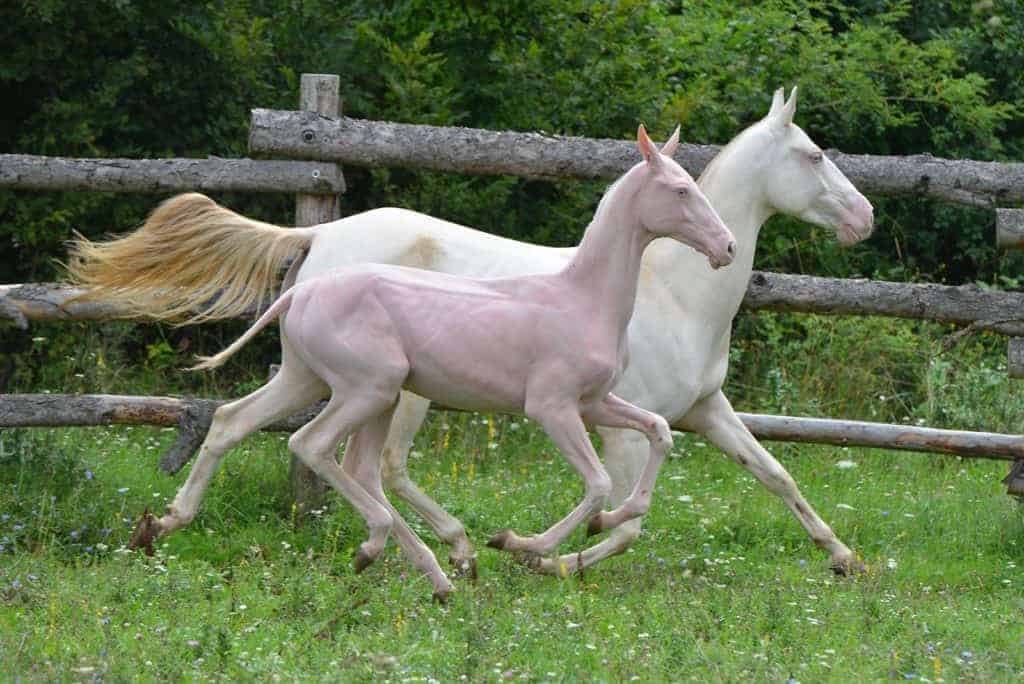
Researchers say naked foal syndrome is related to a nonsense gene variant and appears to be unique to Akhal-Tekes.

Vaccines can help protect horses against potentially deadly West Nile virus and Eastern equine encephalomyelitis.

The 11-year-old Quarter Horse mare from Kent County, which was not currently vaccinated against WNV, was euthanized.

The unvaccinated 9-year-old Quarter Horse mare from Monroe County was euthanized.
The affected horse, a 25-year-old Haflinger from Polk County, was unvaccinated.

Research can help vets better diagnose and treat the disease and horse owners manage or even prevent outbreaks.
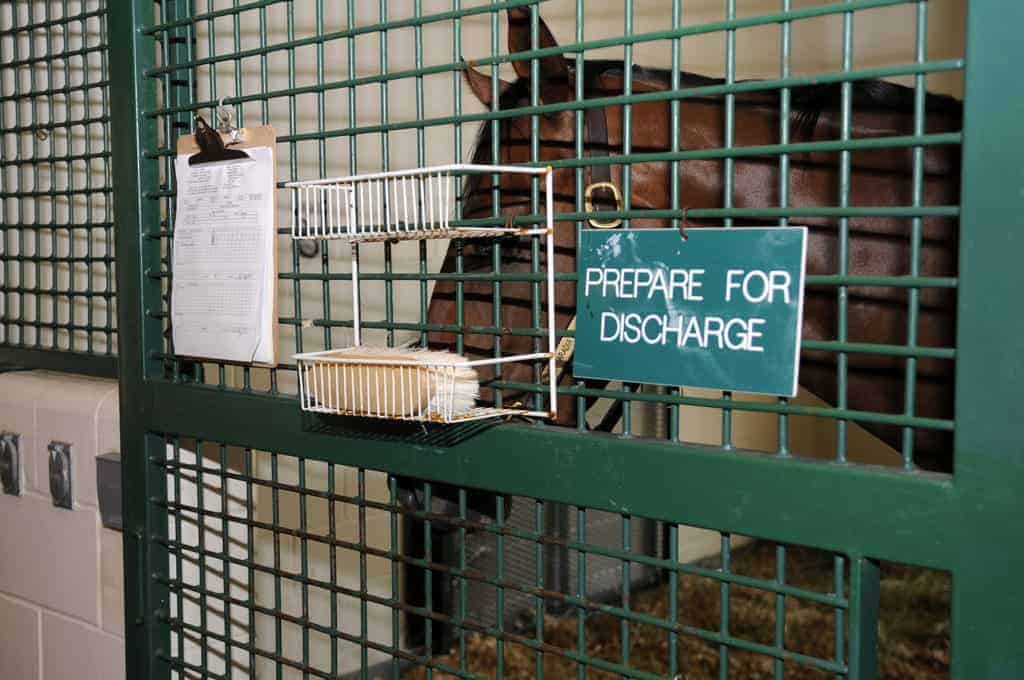
A thoracotomy improved affected horses’ survival rates while dehydration increased the odds of death.

Since 1994, when the virus was first identified, 102 Australian horses have died or been euthanized due to Hendra virus.
A Mecosta County Standardbred is recovering, and a Midland County Quarter Horse was euthanized. Both were unvaccinated.

Two unvaccinated Quarter Horse fillies from Kern and Contra Costa counties are the latest horses to test positive.