Medical Management of the Colicky Foal
Many cases of colic in foals can be corrected medically with the assistance of a veterinarian.

Many cases of colic in foals can be corrected medically with the assistance of a veterinarian.
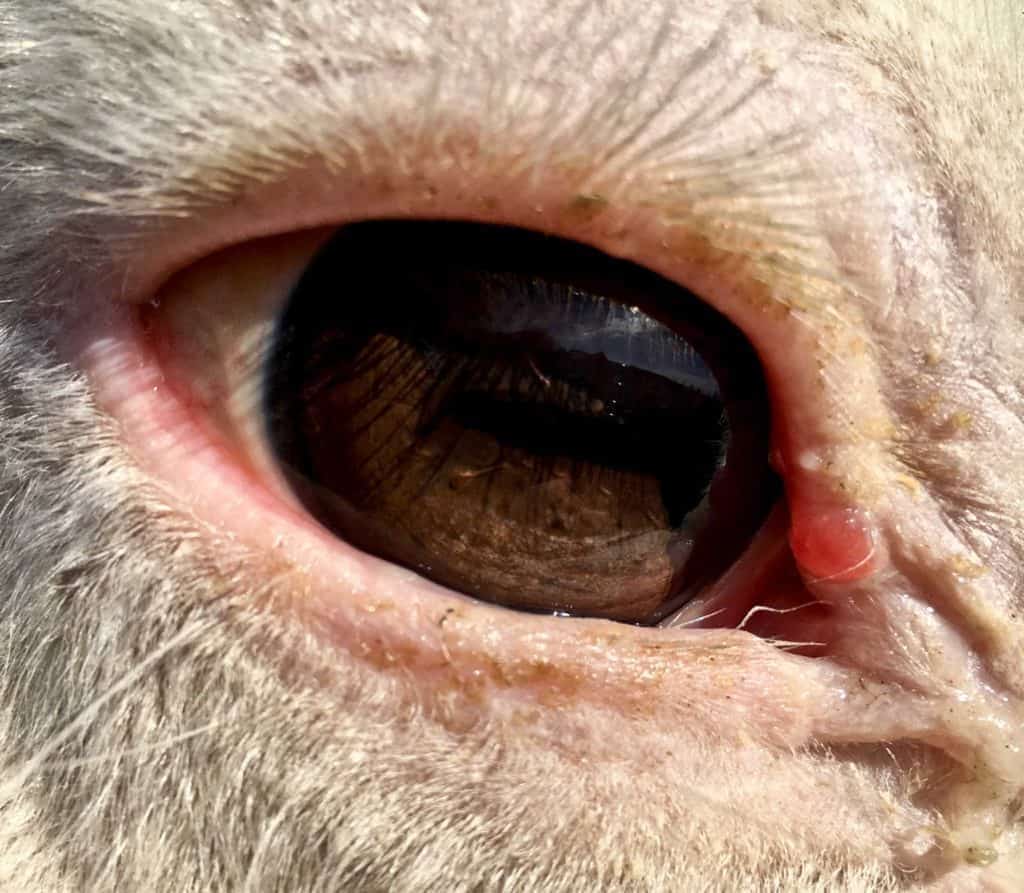
It’s crucial to identify and treat abnormalities quickly. Here’s what to watch for.

Equally as important as knowing if you’d send a horse to surgery is understanding what to prepare for once he’s home.

Our sources share nine ways to help your sport horse perform at his best.

Does your colicking horse need to go to a clinic? Here’s how veterinarians determine the need for referral.

Horses are more prone to digestive upset than other domestic animals because of how their GI tract functions.

Allergies are common in horses. Here’s a look at how veterinarians and owners can identify the causes.

Unwanted behavior can have a significant impact on mares’ and fillies’ performance across a range of competition events.
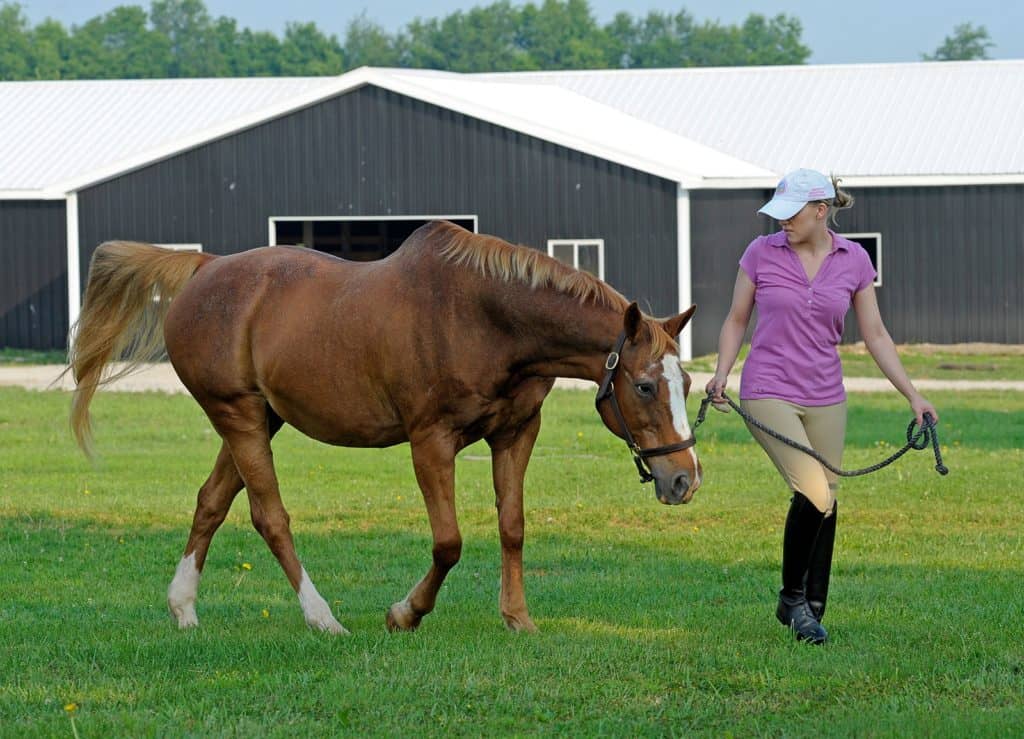
Colic is the most common cause of equine deaths. Take a closer look at this devastating condition.

The goal of medical management centers around breaking the associated pain cycle and reestablishing proper GI function.

The affected horse, a vaccinated yearling Thoroughbred filly, is recovering.

Developing an understanding of post-colic feeding practices can help your horse on the road to recovery.

There were nine recorded cases of EEE in horses in North Carolina in 2016.
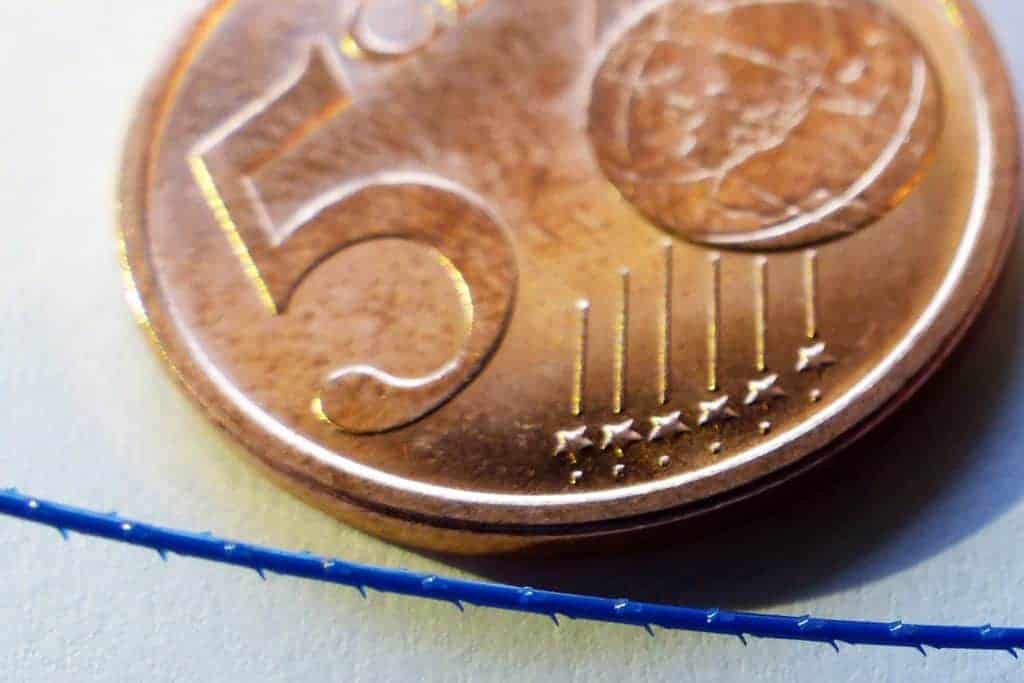
Barbed sutures eliminate the need for knot-tying and distribute tension on the suture line more evenly, researchers say.

Learn how to right a recumbent horse and what factors influence his survival.
We’ve collected tweets and take-homes from the 2017 Equine Science Society Symposium. Take a look!