Does Your Horse Need a Dentist?
Find out why you should make regular dental checkups part of your horse’s scheduled maintenance.

Find out why you should make regular dental checkups part of your horse’s scheduled maintenance.
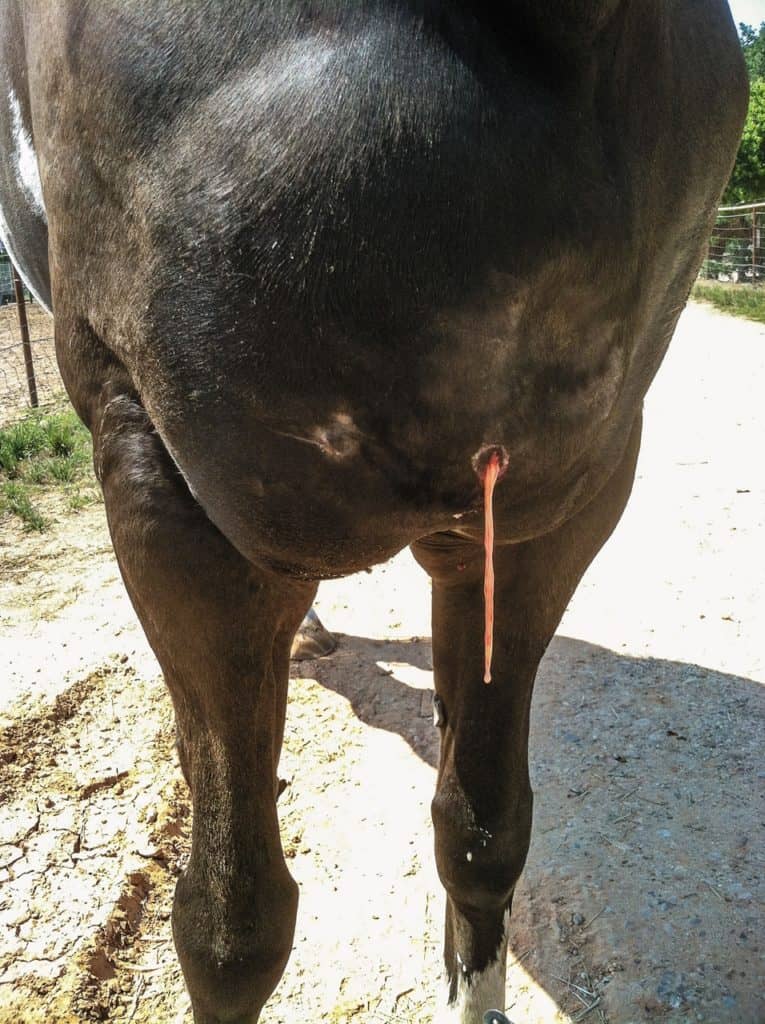
As pigeon fever spreads across the United States, so does information—and misinformation—about it. Here we’ll take a look at the true causes, treatments, and outcomes.

Read about both classic and unusual hernia cases veterinarians encounter, why they occur, how to treat them, and their prognoses.
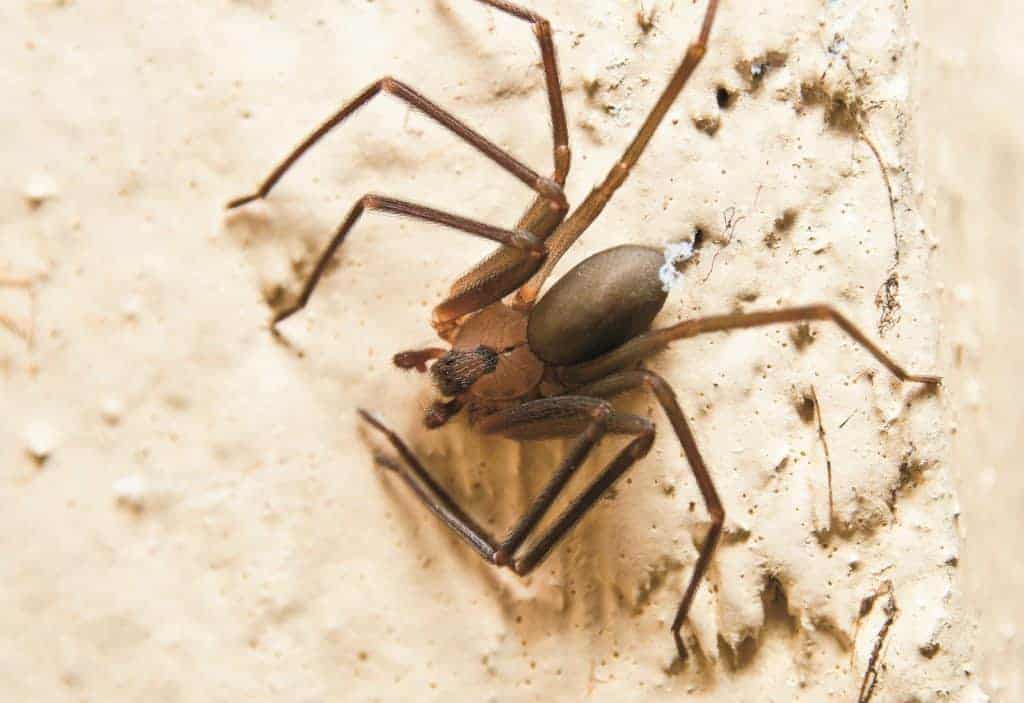
Here’s how to handle snake or spider bites should your horse have a run-in with one of these critters.

Dr. Cynthia Gaskill of the University of Kentucky’s Veterinary Diagnostic Lab shares important things mare owners need to know about fescue toxicosis.
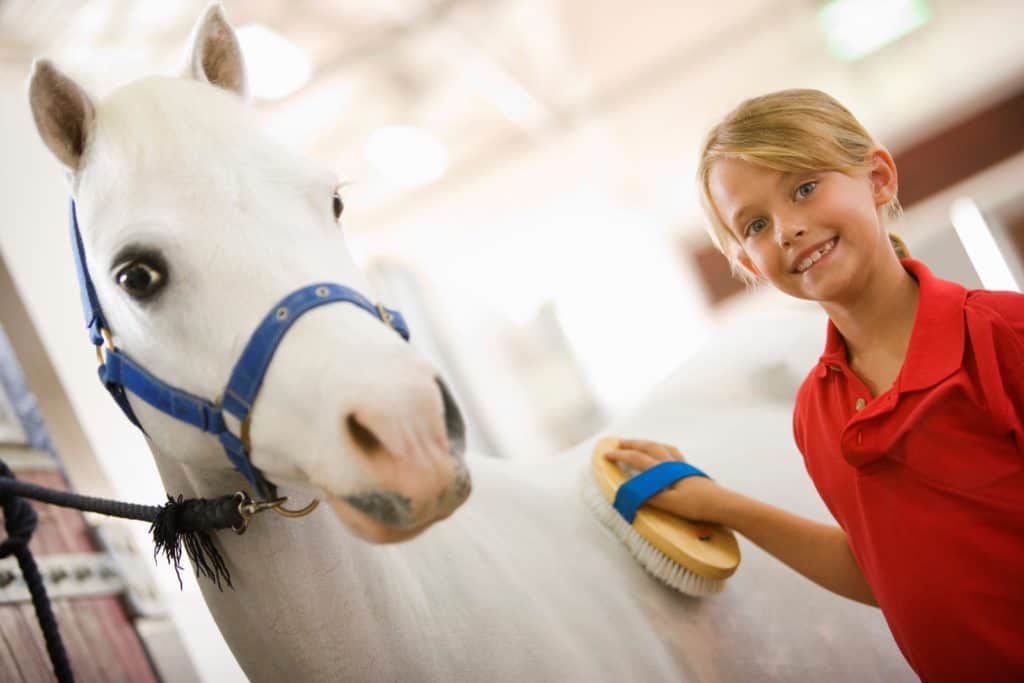
Horse grooming tools come in an assortment of styles and types, with each designed for specific tasks. Selecting the right tools for your grooming kit will depend on both your and your horse’s preferences.

Protect your foal from three important causes of young horse illness: Rhodococcus equi, equine proliferative enteropathy, and adrenal insufficiency.

Learn from a critical-care veterinarian what you should do if you suspect a snake has bitten your horse.
Recurrent airway obstruction (RAO, once known as chronic obstructive pulmonary dysfunction, or COPD) can stop an otherwise healthy athletic horse in his tracks. Learn how to help a horse suffering from heaves in this live event.

By maintaining a clean facility, instituting several simple biosecurity precautions, and regularly disinfecting your barns and stalls, you will be better able to prevent and control disease on your farm.

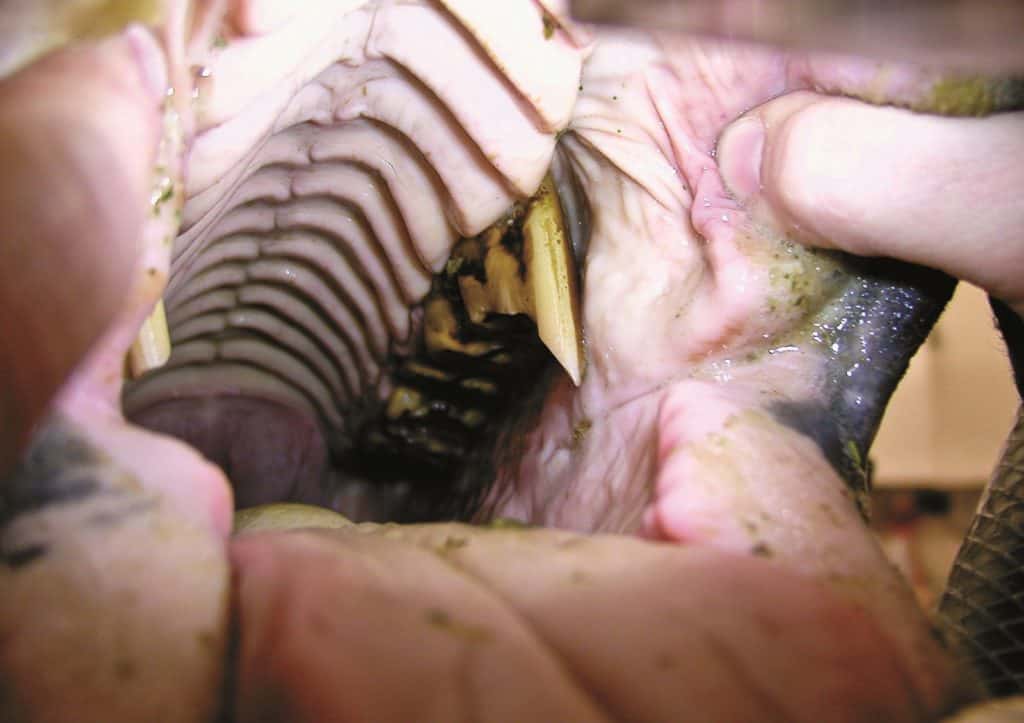
Find out what wolf teeth are and why you need to be on the lookout for them in young horses. This podcast is from the Equine Life Stages: Young Horses Q&A audio event.
Dr. Earl Gaughan explains the attention a young horse’s teeth need and why dental care is important. This podcast is from the Equine Life Stages: Young Horses Q&A audio event.
When it comes to influenza, should you use a treat-now or a wait-and-see approach? The study will evaluate this question.

These harmful toxins produced by molds and fungi could be lurking in your horse’s feed and forage.
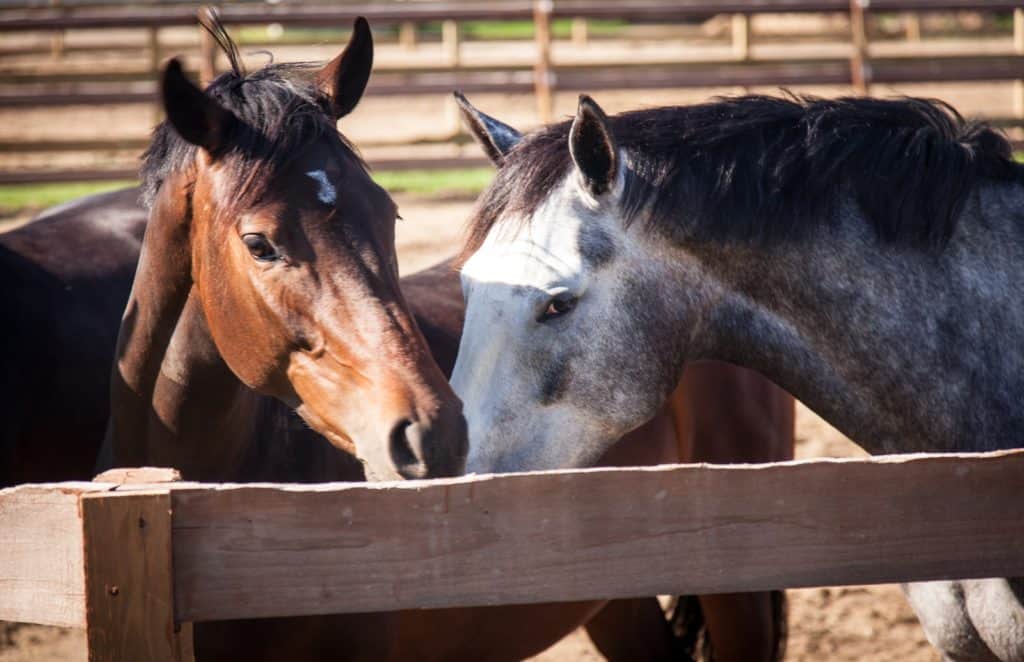
A horse’s early years are crucial to his development and future potential. Learn how to get your young horse off to a great start in life during this live event.

Disease-harboring mosquitoes and flies top most horse owners’ list of bugs to beware of, but don’t forget these other horse and barn-harming pests.