

Marcarena Sanz, DVM, MS, Dipl. ACVIM, of the University of Kentucky’s Gluck Equine Research Center shares information about R. equi, a serious pneumonia-causing respiratory disease in foals up to 6 months old.
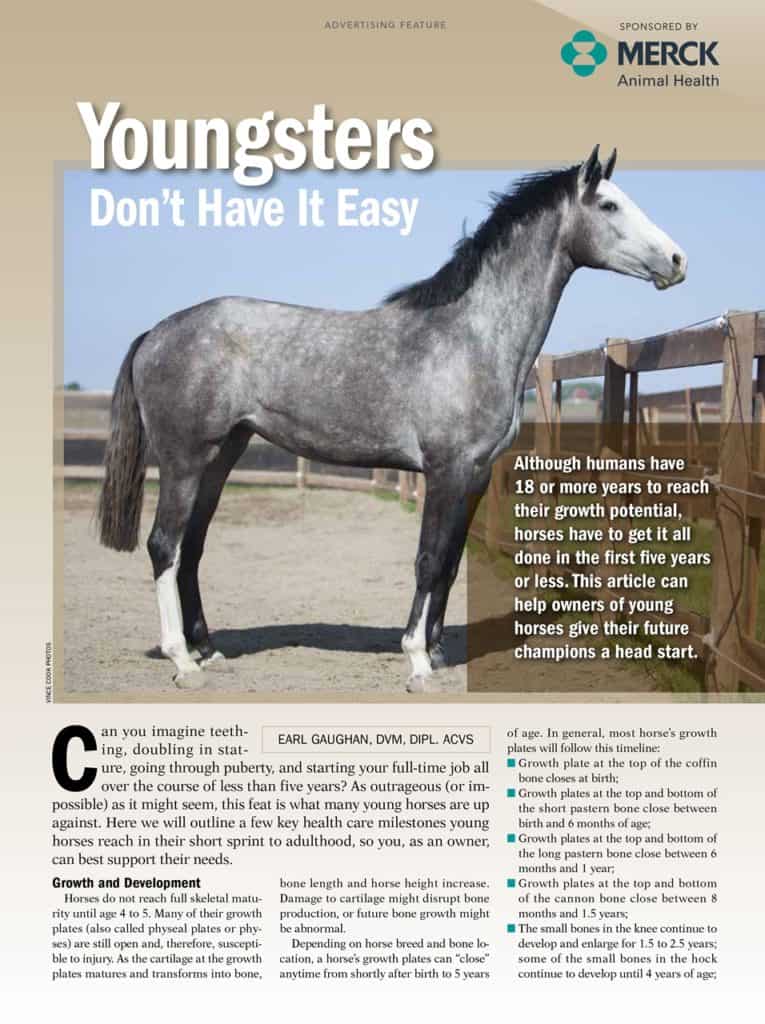
Give your youngster a strong start to a lifetime of health with information from this in-depth special report about horses age 1 to 3 years old. Learn about deworming, dental care, bone disease, hoof care, and more.

Property managers often test their pastures to evaluate the risk of fescue toxicity; however, how you test can produce drastically different results. Here are some things to remember when testing horse pastures for infected tall fescue.

Whether a horse is troublesome or trouble-free about fly spray, here are some basic do’s and don’ts to follow.

Excessive tearing could suggest a number of potentially serious equine eye conditions. Veterinarians should examine cases carefully and then determine an appropriate treatment course.

Learn the risks of equine metabolic syndrome (EMS) and get management and treatment tips in this easy-to-follow visual guide.
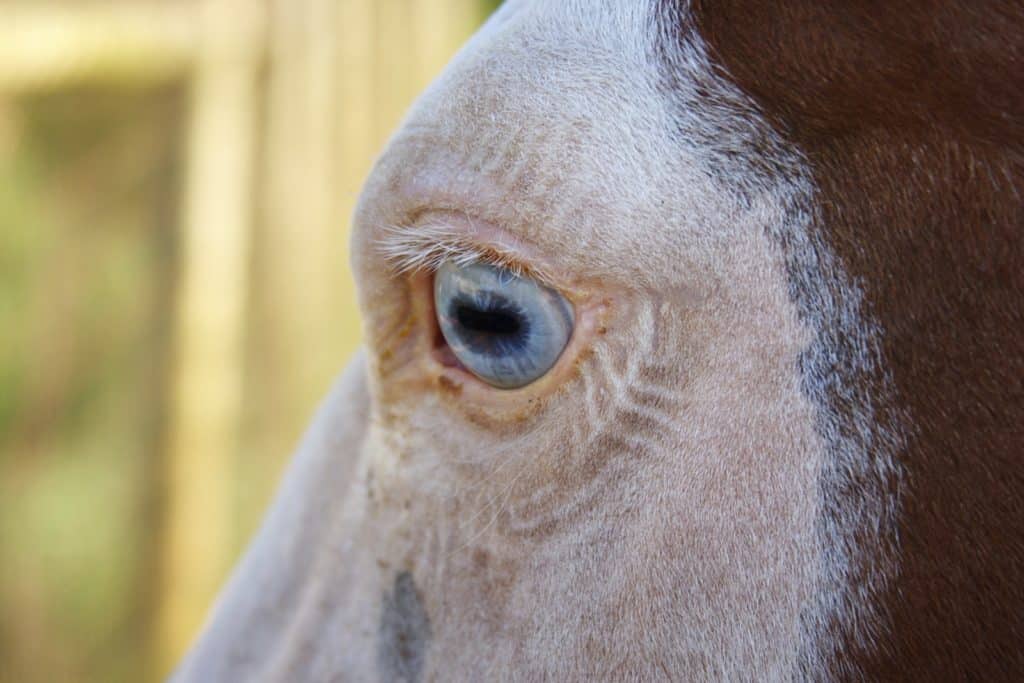
Are horses with blue eyes more sensitive to light or more prone to eye disorders than other horses?
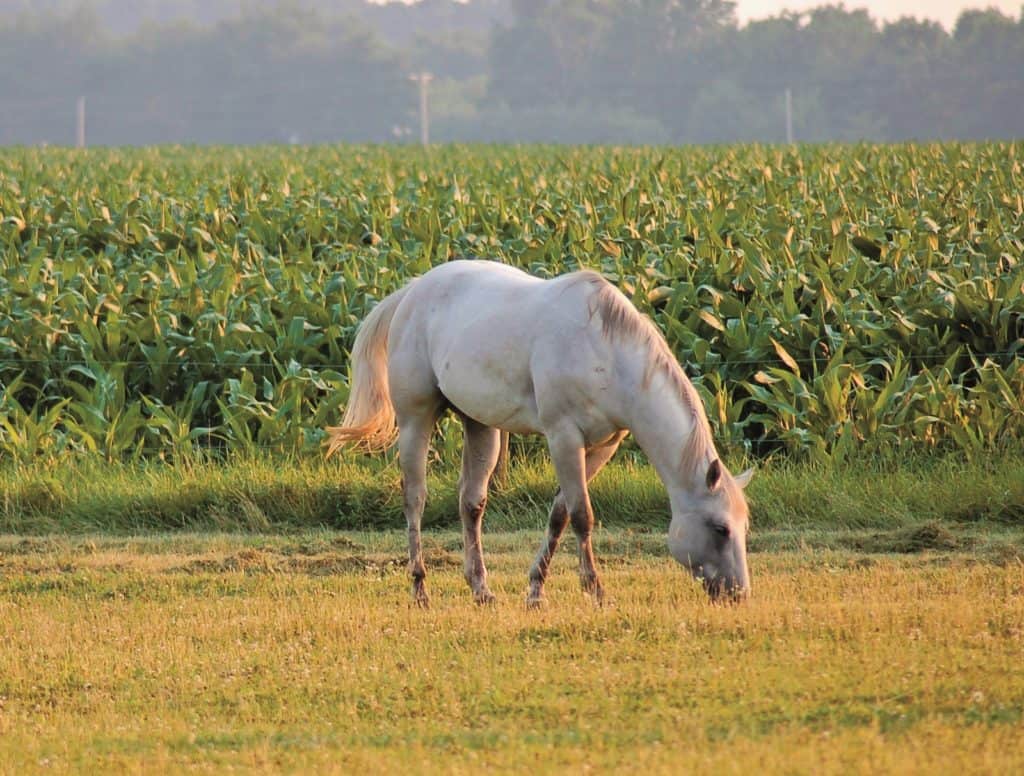
My horses got into a pasture yesterday where deer corn had been spread, and they ate some of it. Then, last night, they didn’t want to eat anything. What is the deer corn going to do to them?

The future of feeding horses is here: Learn how diet can impact your horse right down to his genetic core.

There are many issues to consider when you’re planning to transport your horse, especially if he’s moving to a hot and humid climate. Here’s what to to consider, from new feed options to a risk of hyperthermia.

The most common way adult horses contract the disease is by eating feed, such as hay or grain, that contains animal remains.

There are no easy answers when it comes to colic surgery, just as there are no easy decisions.
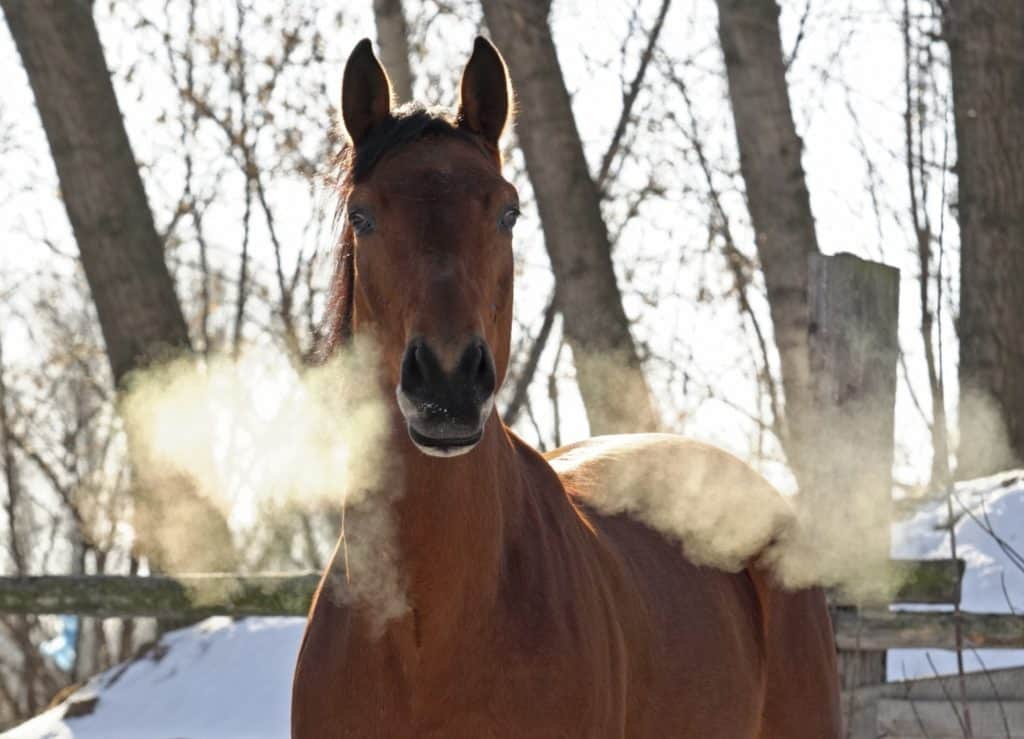
Dr. Laurent Couetil talks about the environmental factors that impact horses with heaves and ways to treat the disease.

Respiratory-related health conditions are the second leading cause of poor performance in athletic horses. Learn more about equine respiratory health with this easy-to-follow visual guide.

Blister Beetles naturally contain and secrete a chemical substance called cantharidin, which is extremely toxic to horses. Dr. Sarah Reuss lists the dangers of blister beetles and what horse owners can do to prevent their horse from ingesting them.