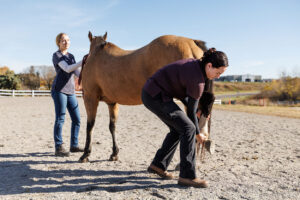
Avoiding Colic Through Management
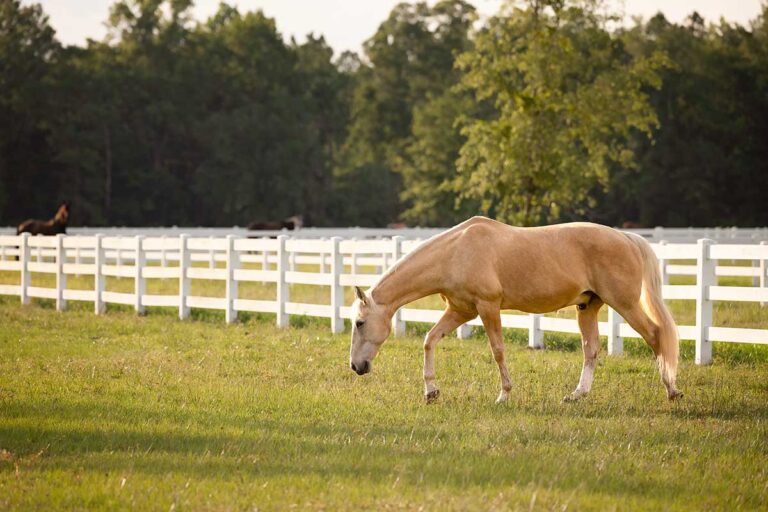
The age-old disease of colic can best by managed be returning the horse–as much as possible–to its natural environment. This means
Horse-health-problem risk factors, prevention, diagnosis, and treatment
The age-old disease of colic can best by managed be returning the horse–as much as possible–to its natural environment. This means
Stephen M. Reed, DVM, Dipl. ACVIM, will deliver the Frank J. Milne State-of-the-Art Lecture on Dec. 8 during the American Association of Equine Practitioners’ 54th Annual Convention in San Diego, Calif. Equine neurology is the focus of this year’s
Jockey Jeremy Rose was suspended for six months following a stewards’ hearing the morning of June 24 for whipping his mount Appeal to the City in the face during the third race at Delaware Park June 23. (For more on this see “
Precautionary measures retained in New South Wales (NSW) since the eradication of equine influenza was confirmed in February will end at midnight on June 30.
From July 1 an official Traveling Horse Statement will not be required before
The first positive equine case of West Nile virus in California in 2008 has been reported in Riverside County. The affected horse, a 15-year-old Quarter Horse gelding, died.
West Nile virus (WNV) is a mosquito-borne virus that was first
Forensic scientists say champion Australian gelding Phar Lap died of arsenic poisoning, solving a mystery that has intrigued the horse racing world for more than 75 years.
Phar Lap won 37 of his 51 starts before his death in mysterious
Veterinary surgeons at the University of Liverpool have developed a Web site dedicated to explaining the causes, prevention and treatment of colic in order to provide more
An Australian government official announced today that the horse industry would not be asked to pay for the expenses associated with last year’s outbreak of equine influenza. According to the
One case of strangles was confirmed June 4 in the stable area at Pompano Park Harness Track in Pompano Beach, Fla. Live harness racing will continue as scheduled at the facility.
Track management, in working with animal health officials fro
A rapid PCR test is now available through IDEXX/EBI to detect virulent or avirulent strains of R. equi bacteria, the leading cause of foal pneumonia. IDEXX noted that its R. equi test uses PCR methods that are more
Aggressive research efforts by Belgian veterinarians have culminated in the identification of numerous indicators or factors–including horse management and pasture characteristics–associated with atypical myopathy, a rapidly developing and fatal di
The United States is currently experiencing a severe shortage of human rabies vaccine, according to the Texas Department of State Health Services.
Pre-exposure vaccinations of veterinary, animal control, game wardens, laboratory and other
One of the nation’s oldest farm groups said Thursday a proposed foot-and-mouth disease research laboratory on the U.S. mainland, near livestock, could be an inviting target for terrorists. Commercial livestock representatives and the Bush
Too much alfalfa, too little oat and grass hay, and limited access to pasture grazing are important factors that put horses at risk for developing enterolithiasis (intestinal stones that have the potential to cause colic).
Researchers are pondering the cause of this lymph vessel problem that can result in long-lasting effects.
Editor’s Note: Updated July 7, 2008, with original information from Dr. Rick Mitchell. Quotes in the original version did not accurately reflect Dr. Mitchell’s comments.)
The Infectious Diseases Society of America (IDSA)
Stay on top of the most recent Horse Health news with
"*" indicates required fields