Two Arkansas Horses Confirmed With EEE
The horses reside at separate facilities in Pulaski County.

The horses reside at separate facilities in Pulaski County.

The affected horse was not vaccinated against the mosquito-borne disease.

Thirty-one horses were exposed and their Washington County facility is now under quarantine.
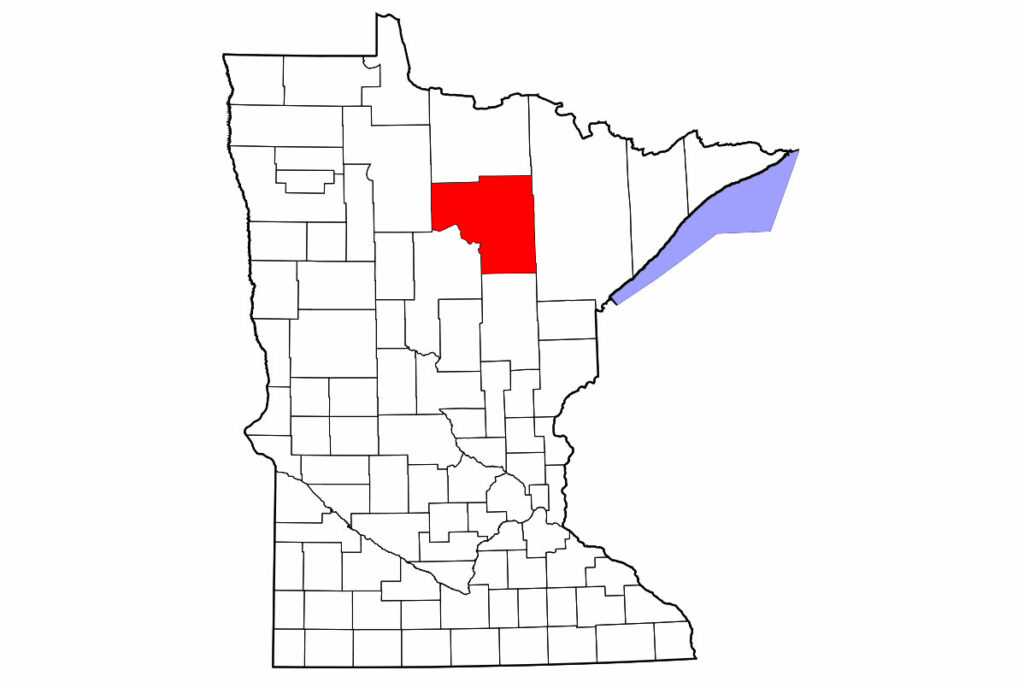

The affected horses reside in two different counties.

The filly was not vaccinated against the mosquito-borne neurologic disease.

Learn from Dr. Jennifer Janes, part of the University of Kentucky’s CSI team for horse diseases, conditions, and poisonings.

Researchers used genomic sequencing to identify fungi living in healthy eyes and found differences between pastured and stalled horses.


The affected county first discovered WNV-infected mosquitoes about Aug. 1.

The state veterinarian has recently confirmed nine horses with West Nile virus.

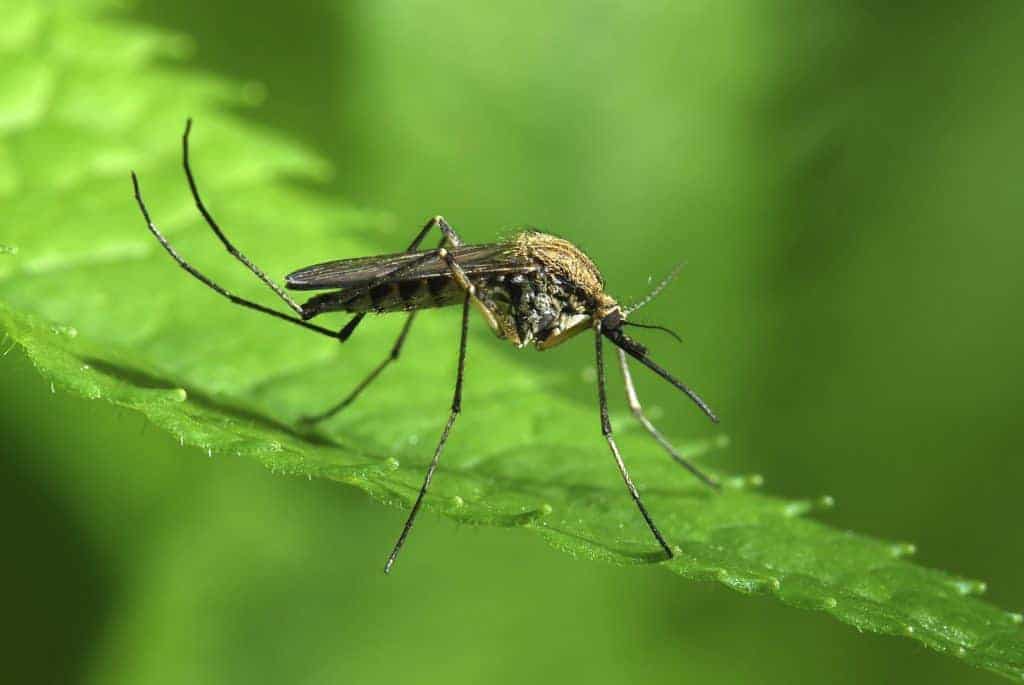
This is the state’s fourth confirmed equine case of WNV this year.

This marks the state’s 15th confirmed equine case of EEE in 2021.
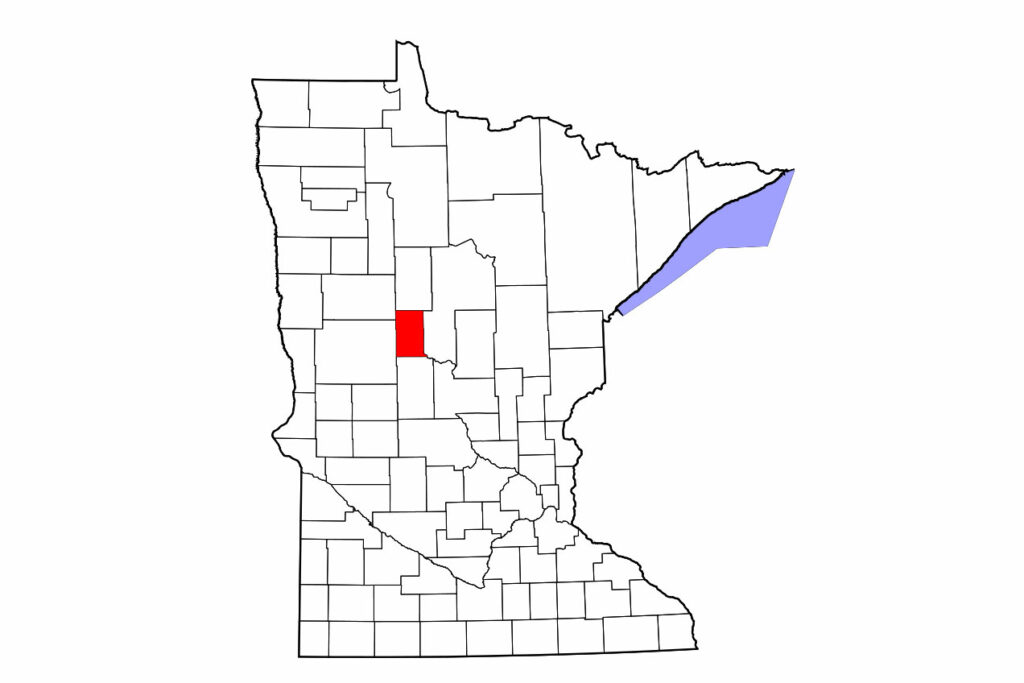
The mare was not vaccinated for the incurable and potentially deadly disease.

Veterinarians have warned owners of PPID horses about the predisposition they carry for laminitis. However, recent research suggests it’s not that black and white.