Three-Year Depreciation of Racehorses Not Extended to 2017
Congress adjourned without taking action on a tax extender bill, allowing three-year racehorse depreciation to expire.

Congress adjourned without taking action on a tax extender bill, allowing three-year racehorse depreciation to expire.

Equine influenza vaccination strategies evaluated in one study reduced new flu infections on average by 60%.

Tweets and take-homes from sessions on lameness, rehabilitation, equine back issues, and more!

Though not often used in the United States, peat moss is a popular choice in other countries and for good reason.

Horses for Clean Water’s Alayne Blickle explains how she weighed the need for an indoor arena against the cost.

Maximize safety, soundness, and performance by solving your equine arena surface snafus.

Protecting your horse’s turnout now can help ensure green pastures later.

Getting any horse agreement in writing can help you avoid a trip to court. Here’s what you should know.

Of the 1,087 respondents, 559 (51%) said they use wood shavings or chips to bed their horses’ stalls.

Of the 545 respondents, 175 (32%) said they will add gravel and/or sand for high-traffic areas on their farm this fall.
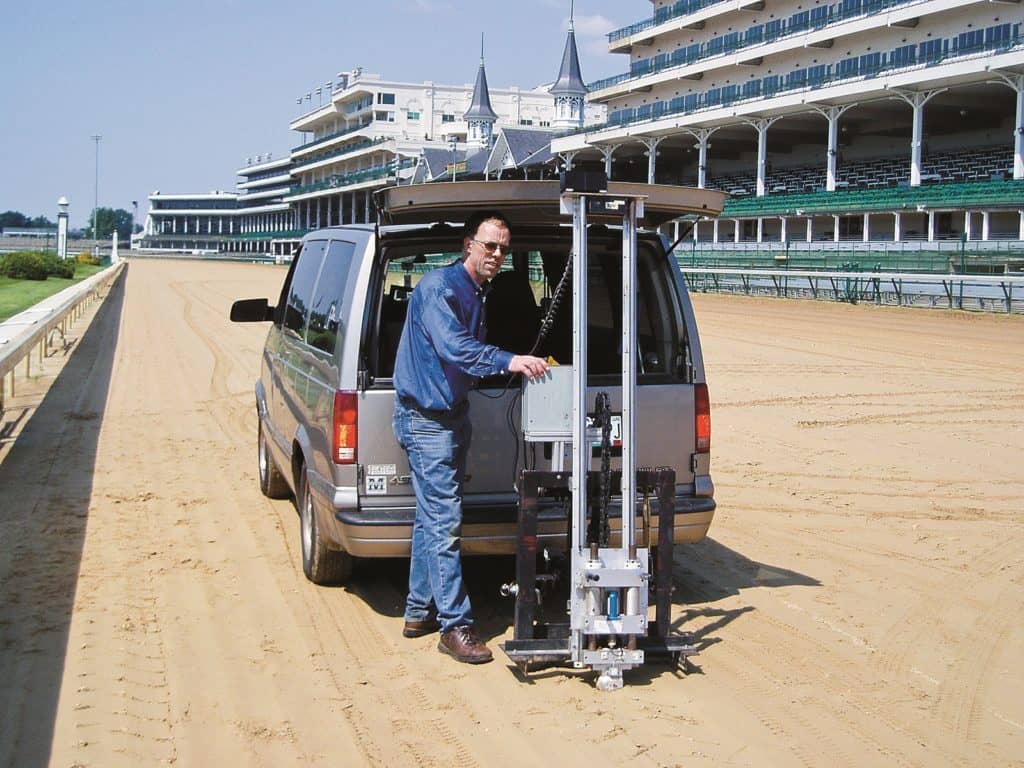
Mick Peterson, MS, PhD, an authority on racing and equestrian surfaces, will begin his new role in January 2017.

Protecting your horse from infectious disease needn’t require storing him in a protective bubble. Here are 10 recommendations from leading equine biosecurity experts.
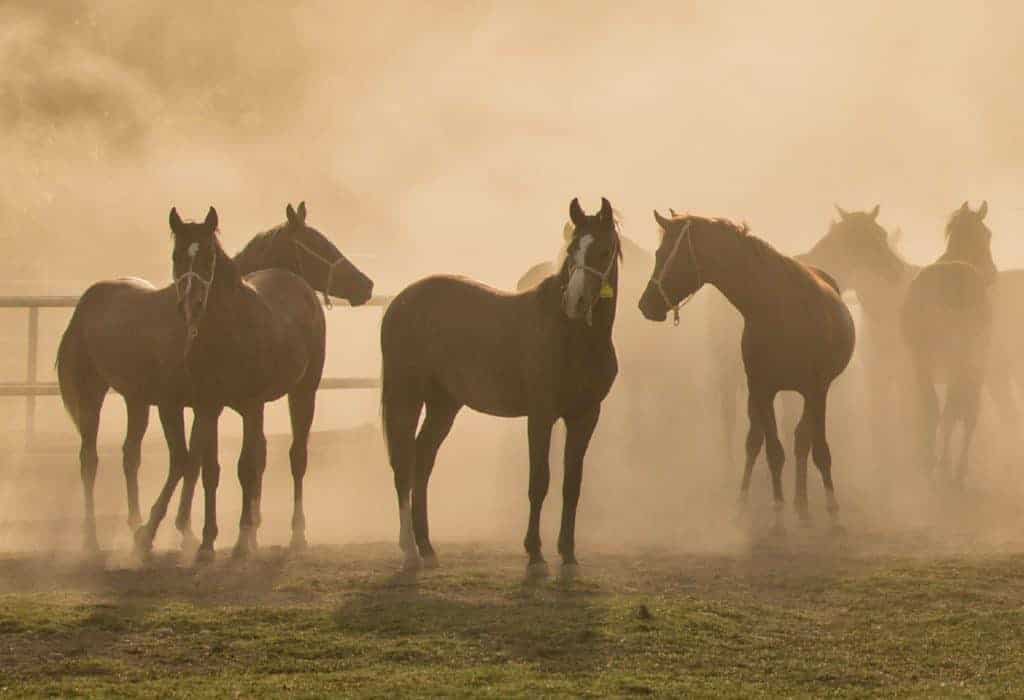
Learn how rising temperatures and extreme weather events are affecting horse keeping.
Dr. Sue Stover’s research focuses on diagnosing, treating, and preventing musculoskeletal injuries in equine athletes.
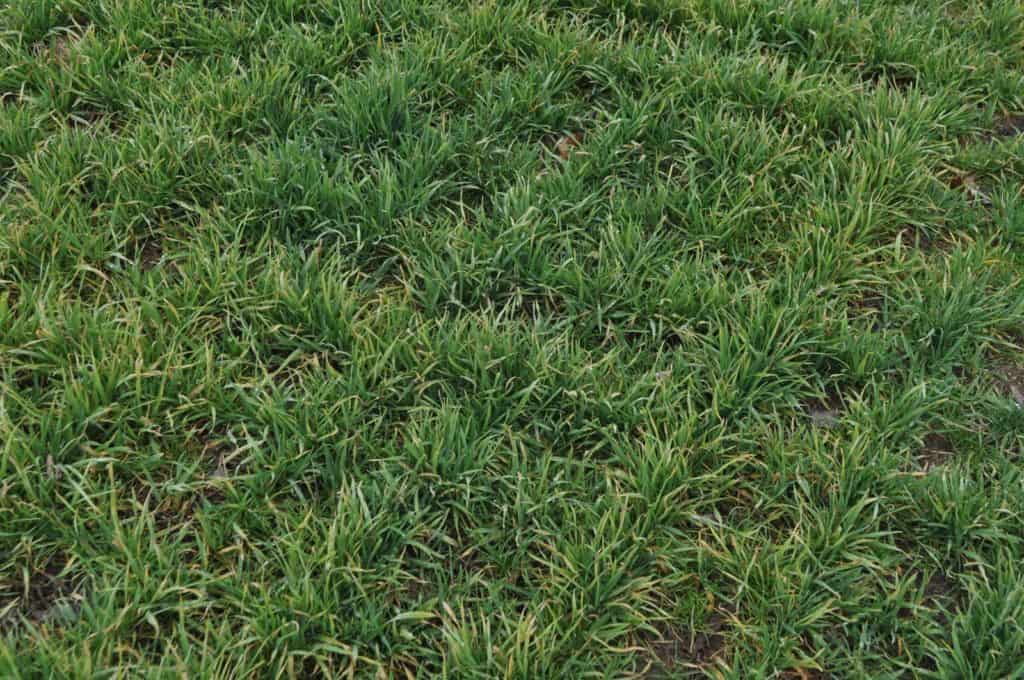
For cool-season pastures, fall is the ideal time to overseed to thicken a stand and fill in bare areas.

Researchers found that hard surfaces, shallow footing depths, and compacted footing could increase horses’ injury risk.