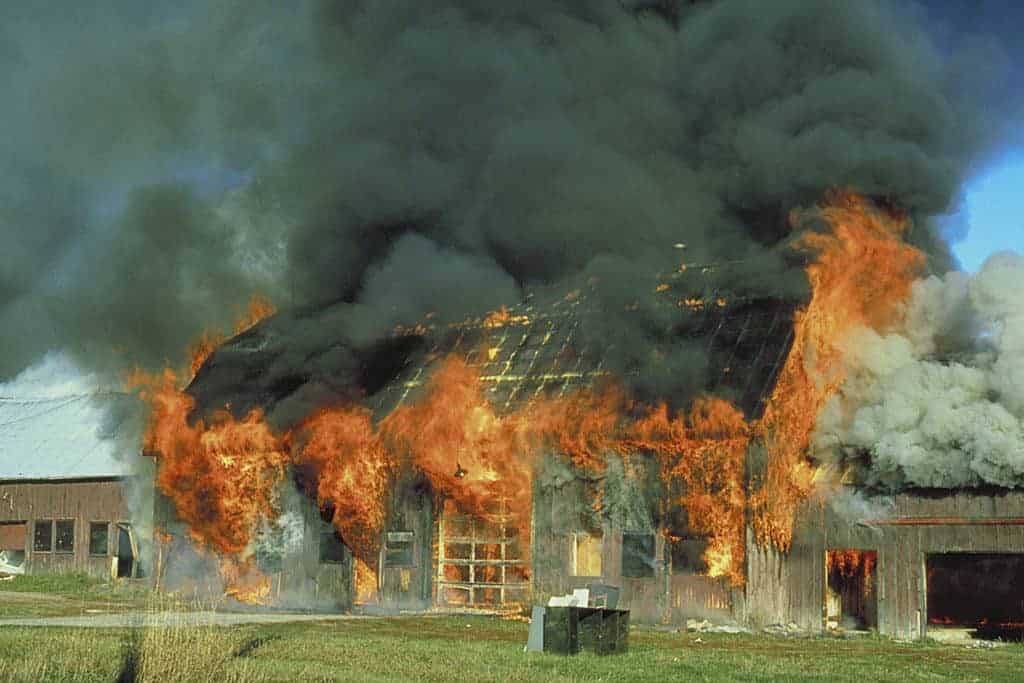
Barn Fire Prevention
No building is completely fireproof, but farm owners and managers can take certain steps to minimize the chances of a fire occurring.

No building is completely fireproof, but farm owners and managers can take certain steps to minimize the chances of a fire occurring.

Bush honeysuckle describes several species of woody honeysuckles found in the eastern half of the United States. Types of bush honeysuckles include Amur honeysuckle, Morrow’s honeysuckle, and Tartarian honeysuckle. All grow rapidly and produce multiple stems and can reach heights of about 30 feet. These deciduous woody shrubs are shade tolerant and flourish around stream borders and fence rows.
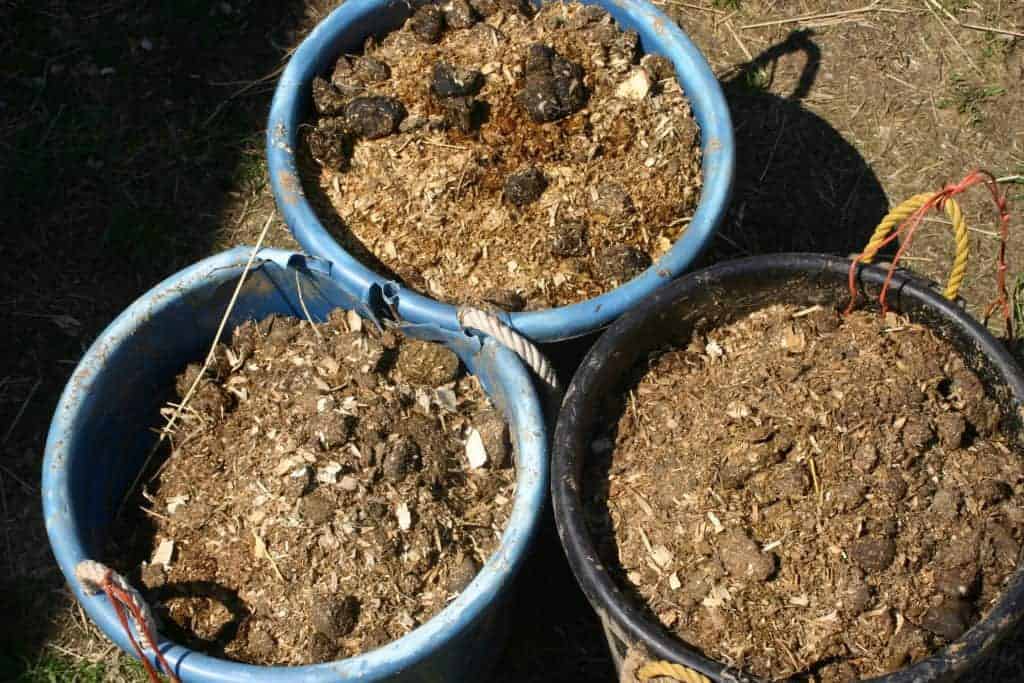
One of the best ways to control mud from building up in horse paddocks is to have a good manure management program.
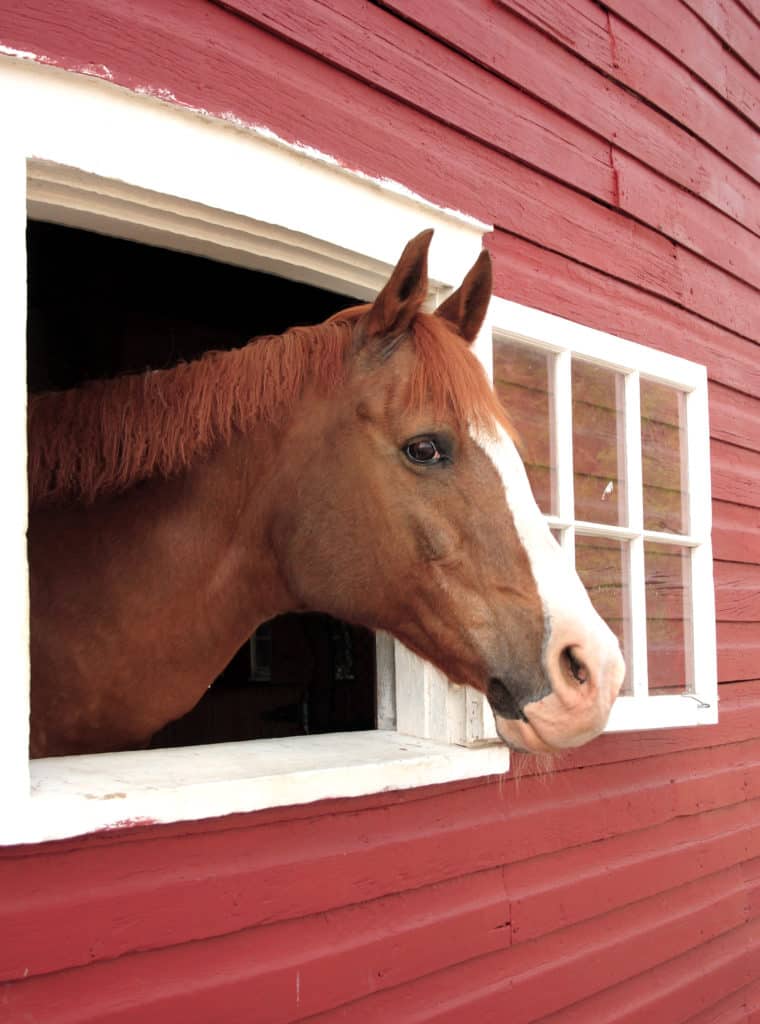
What hidden dangers lurk in your barn? Learn how to maximize air quality and improve safety in the stable.
Discussion of threats to U.S. agrosecurity (security of agriculture industries) and ways we can protect ourselves and our horses from intentional and unintentional threats.
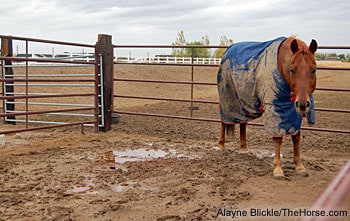
Mud = yuck! At this time of the year mud becomes a common occurrence in many horse paddocks until summer when things dry out.
Winter can be a difficult time for pasture management. Horse pastures often are abused by the stress of winter, especially following a drought. Here are a few simple steps you can follow to minimize winter damage and help plant growth for grazing.
Every owner wants to provide the safest conditions for his or her equine athlete, but the lack of information on artificial arena surfaces makes it difficult to arrive at the best footing choice.

Tired of seeing your horse eating in mud? Or wasting hay that gets buried in filth? Here’s any easy, low-cost way to build a chore-efficient feeder.
With budgets tight, a number of horse farm managers have reduced costs by using a hay harvest of overmature grass pastures for bedding. On the surface it makes sense to bed stalls with this stemmy hay. But be cautious when using it for pregnant mares in their last trimesters.
Fall is a good time to take stock of the quality of horse pastures. The weeds that were most prevalent and uncontrolled during the summer will now be large and producing seeds.

Find out how a simple investment of making sure your gutters and downspouts are in good working order can help manage mud around your horse barn.
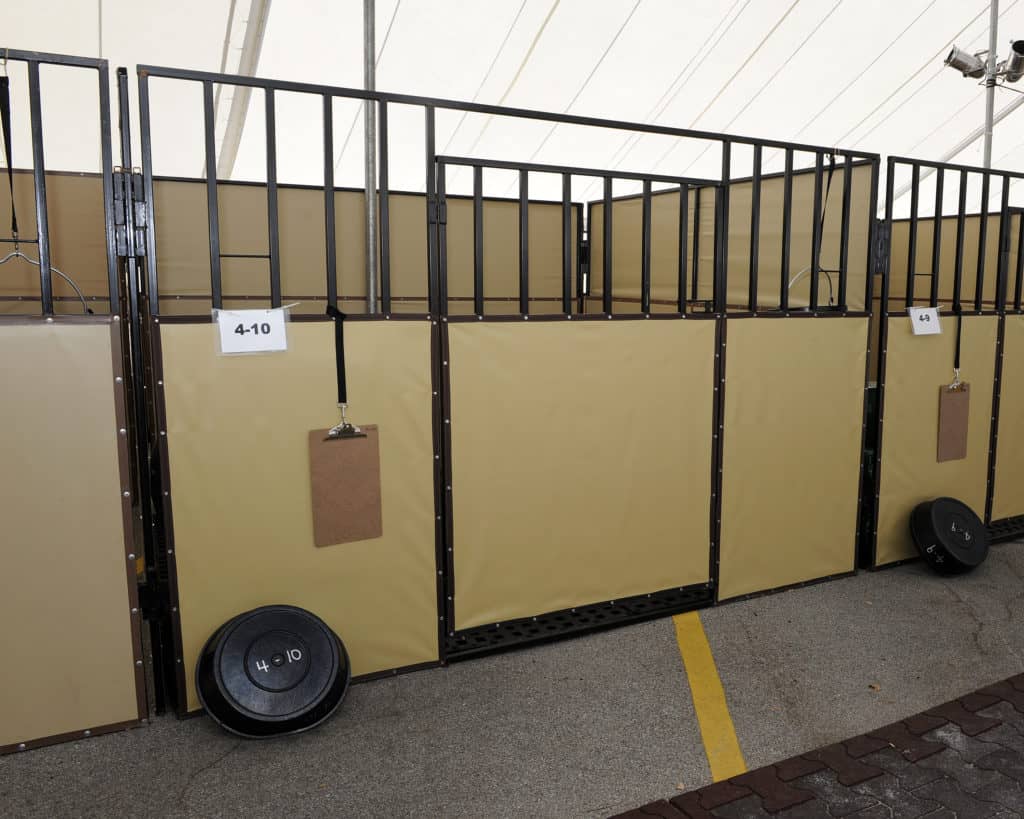
Learn how the United States is safeguarding its horse population against foreign diseases with quarantine protocols for World Equestrian Games equine athletes.
From arena footing to walking paths, the Kentucky Horse Park improvements put the horse first.
Overseeding horse pastures is a pasture management practice that helps ensure good ground cover, quality grazing, and an aesthetically pleasing pasture in the coming year without major pasture renovations.

Tall ironweed is distributed widely across the eastern half of the United States and is found in low damp areas of pastures and roadsides. This tall, upright plant can approach 10 feet under optimum growing conditions but more commonly grows to about 5 feet.