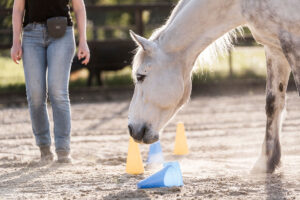
Cushing’s Characteristics, Clinical Signs at Diagnosis
Researchers confirmed some suspected patterns in PPID clinical signs and identified others they considered surprising.

Researchers confirmed some suspected patterns in PPID clinical signs and identified others they considered surprising.

The earlier you can detect endocrine conditions such as PPID and EMS, the better chance you have of preventing associated laminitis in affected horses.

This suggests old horses need an appropriate diet and management plan to help minimize the risks associated with insulin dysregulation, such as laminitis.
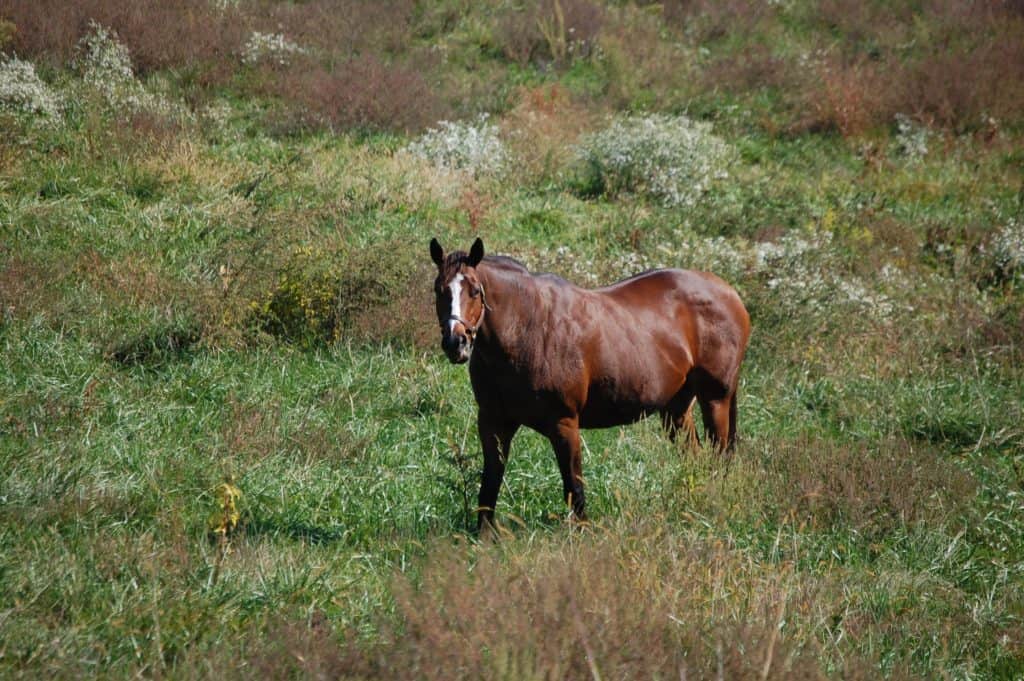
Consider these dietary changes to help reduce the laminitis risk and discuss with your veterinarian whether certain medications could help your horse.
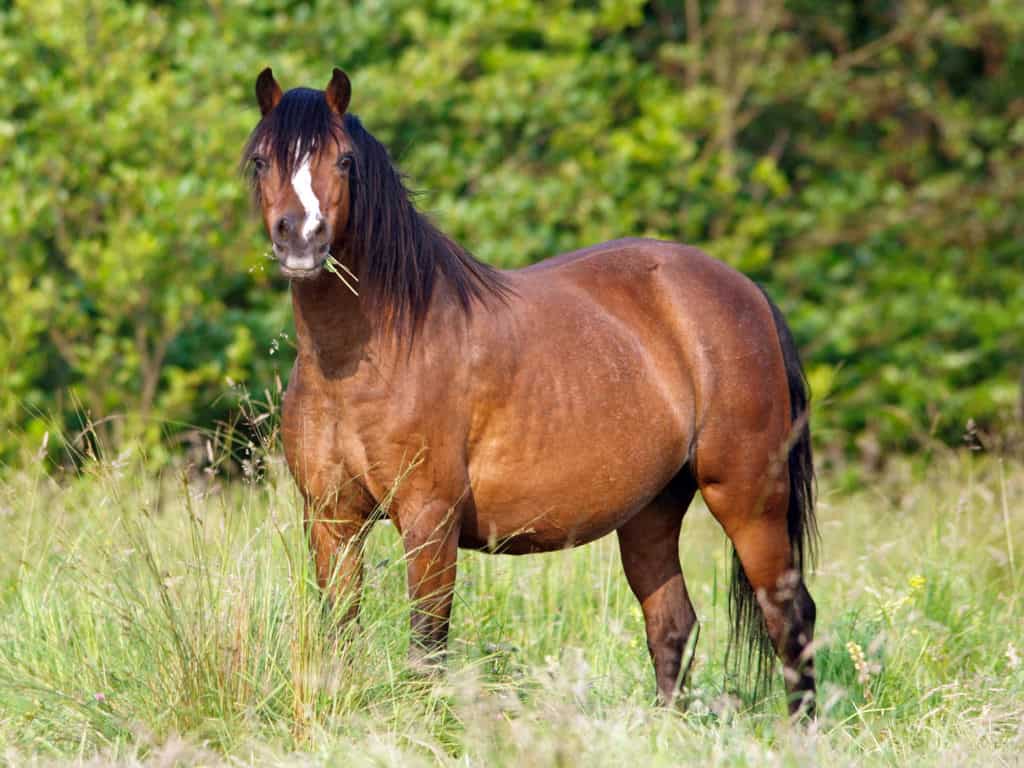
Researchers are working to help owners find ways to help their horses lose weight no matter their circumstances–from boarding facility set up issues to unsound horses that can’t be exercised.

Nails that have punctured the bottom of a horse’s hoof, sometimes called “street nails,” require careful veterinary inspection and treatment. Here’s what to know.

Drs. Peter Morresey and James McLeod share regenerative medicine insights from clinical and research perspectives.
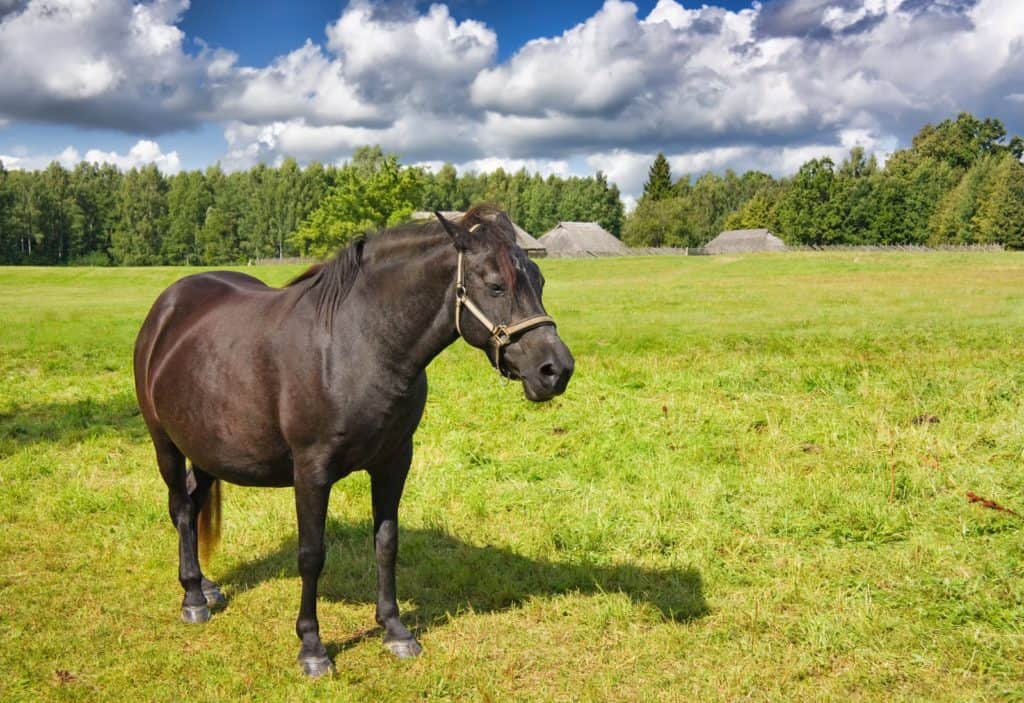
Researchers identified a link between glucose and insulin concentrations (measured using an oral glucose test) and risk and onset of laminitis.

Do horses with PPID, EMS, and/or IR have a greater laminitis risk after receiving joint injections? Drs. Vern Dryden and Amanda Adams respond.

Since Barbaro’s death due to supporting-limb laminitis more than a decade ago, researchers have made great strides in understanding it, why it develops, how to treat it, and more.

Manuka honey contains biologically active compounds that appear to help horse wounds heal, particularly hard-to-treat wounds on the lower limbs.

With proper diagnostics, correct treatment, and careful management, many horses can overcome laminitis complications.

Learn what distinguishes PPID, EMS, and IR from each other and how to care for “metabolic” horses.
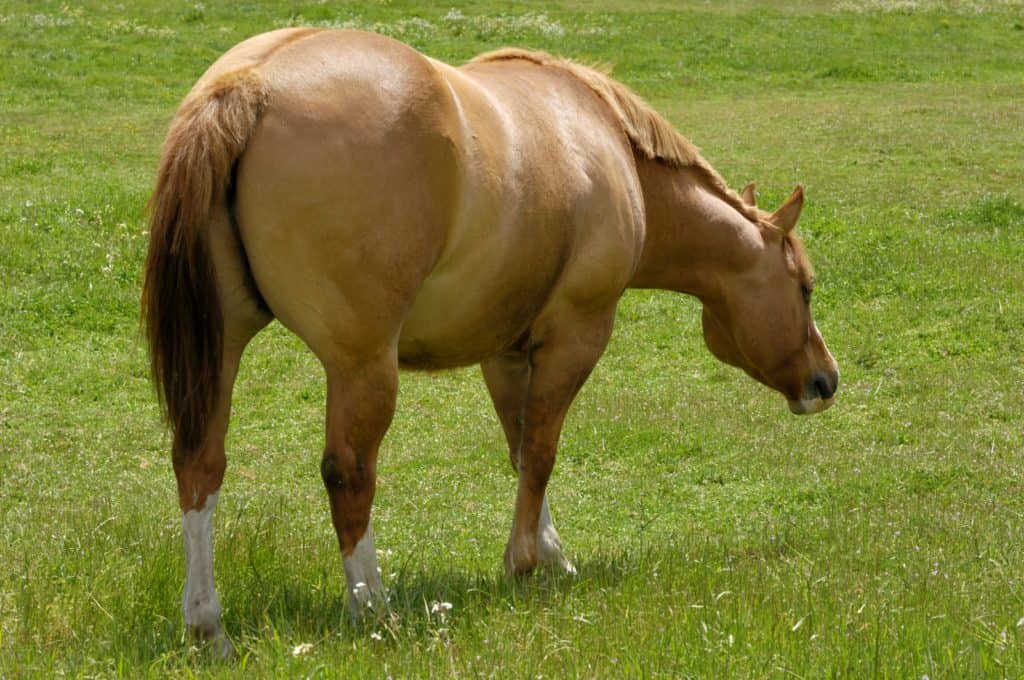
Improve your knowledge about diagnosing, treating, and preventing equine metabolic syndrome (EMS).

Learn more about nutrition’s role in the development and management of equine endocrine disorders and how you can reduce your horse’s risk of developing a secondary disease.
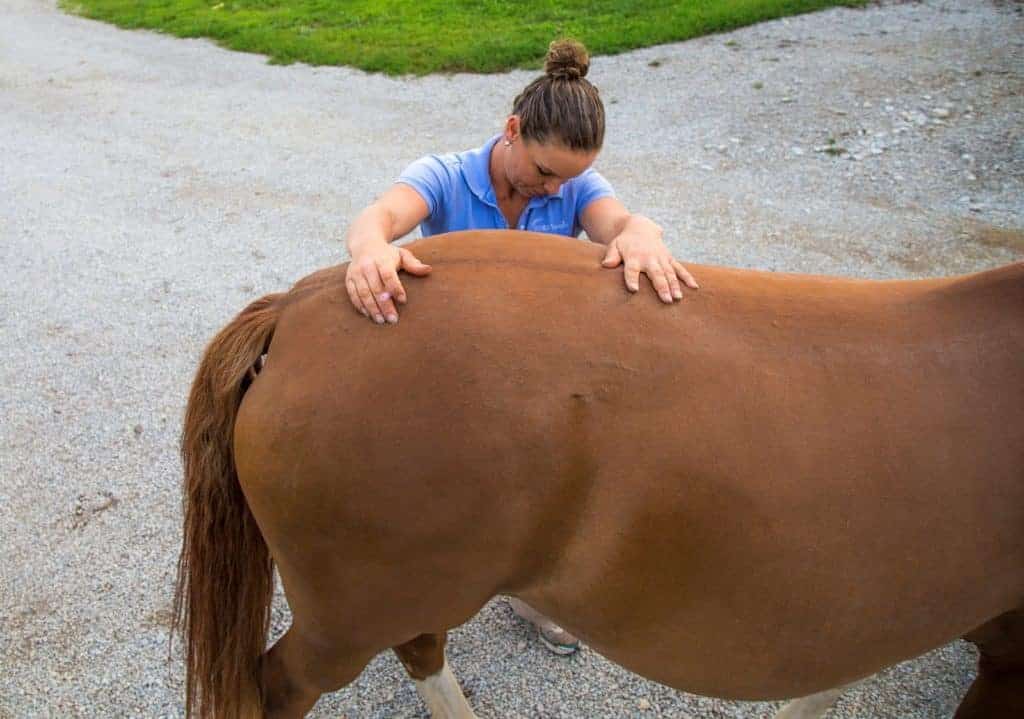
Instead of causing foot pain directly, rear hoof imbalances seem to cause more problems higher up the leg—to the hocks, stifles, glutes, and sacroiliac joint, one vet says.