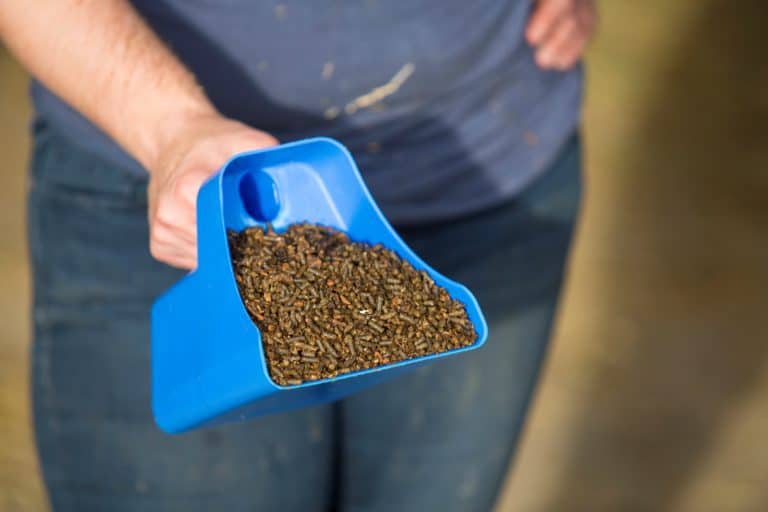
What Medications Are Safe for Pregnant Mares?
What medications do veterinarians use in broodmares and are they safe? Learn more in the Spring 2026 issue of The Horse.

What medications do veterinarians use in broodmares and are they safe? Learn more in the Spring 2026 issue of The Horse.

Here’s when and how veterinarians use these medications for metabolic horses that don’t respond to other treatments.

Rocker shoes might help stabilize horses’ laminitic feet by improving breakover, reducing tendon tension, and redistributing weight to support healing and hoof growth.
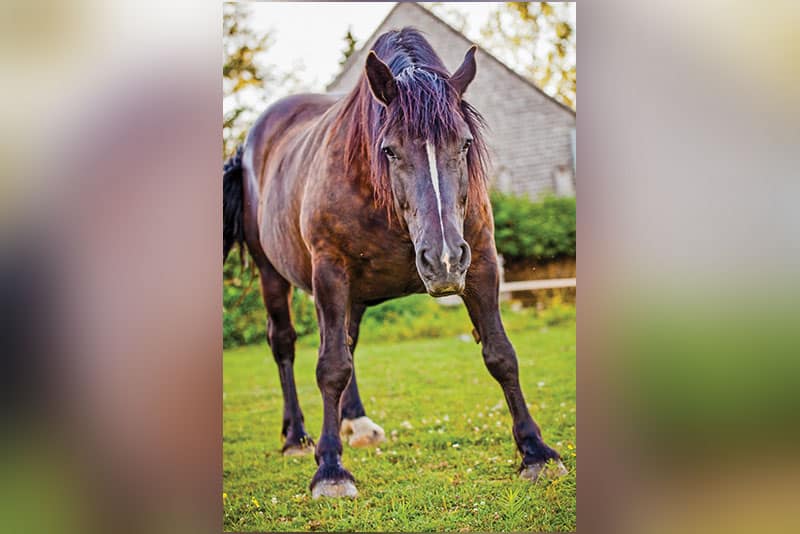
Manage at-risk horses’ diet and exercise to help avoid this painful condition.

Meet Beau and follow the 8-year-old Quarter Horse’s journey from subtle lameness to return to performance.
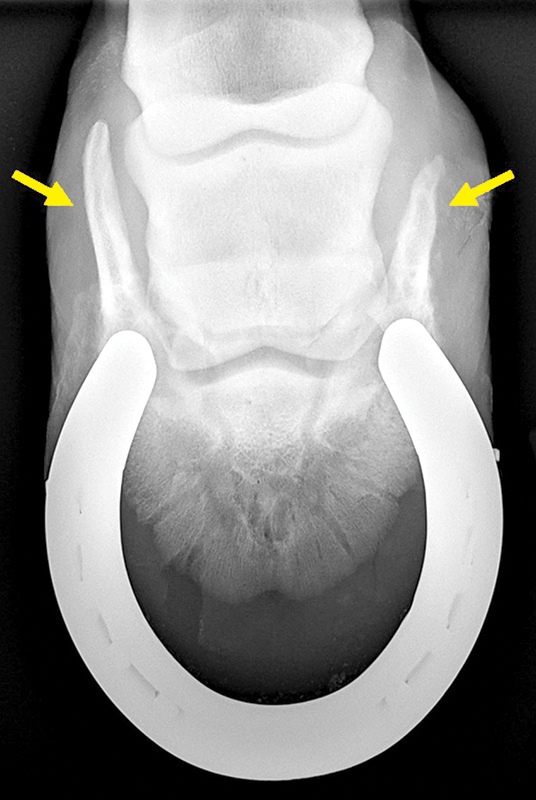
This common hoof change can be a hidden cause of lameness in horses. Learn more in the Spring 2026 issue of The Horse.

Experts share best practices for feeding and managing aging metabolic horses.

Follow these steps when your horse has an abscess that lingers beyond typical treatment times.

Read about the steps veterinarians and farriers take to identify, evaluate, and treat riding horses’ hoof problems.

In this podcast episode two experts answer listener questions about managing horses that have metabolic problems. Sponsored by Dechra.

Assessing a horse’s limbs, feet, and body can help you and your veterinarian identify anatomical traits that could end up being performance-affecting liabilities.

Horses on all-day pasture have more opportunities than stalled horses to meet their behavioral needs. Here’s what you need to consider.
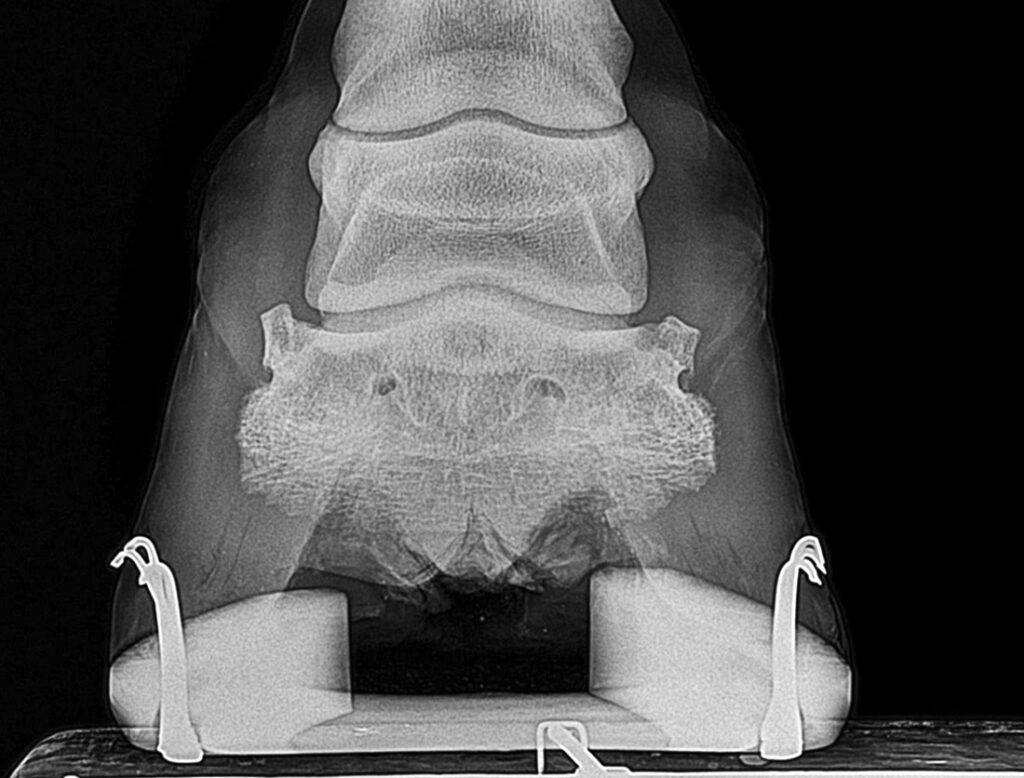
Advances in imaging, individualized treatment protocols, and farrier-veterinarian collaboration now give many horses a chance to stay sound and in work. Read more in the Research Roundup 2025 Issue of The Horse.
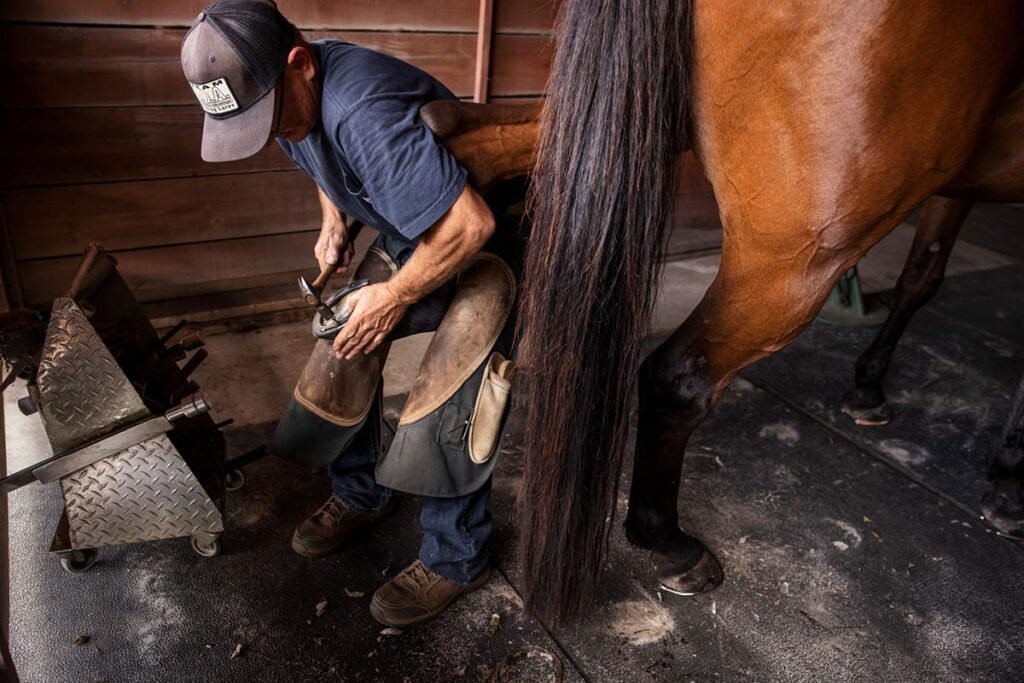
Learn how hoof care and shoeing can affect a horse’s joint health in this Ask TheHorse Live excerpt.

Read about the do’s and don’ts of feeding horses that have 4 common health conditions, including gastric ulcers, metabolic disorders, and more.

Hoof care professionals share what they look for in a strong, sound foot and how to prevent common problems from developing. Read more in the Winter 2025 issue of The Horse.