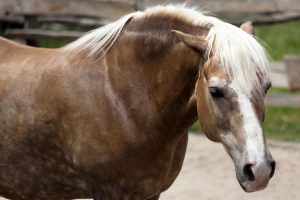
Managing Performance Horses With Navicular Syndrome
Here’s how one veterinarian manages horses diagnosed with navicular syndrome to keep them comfortable in a performance career.

Here’s how one veterinarian manages horses diagnosed with navicular syndrome to keep them comfortable in a performance career.

Understand why adhering to your veterinarian’s carefully designed laminitis-care plan is critical to your horse’s welfare and well-being.

Overly moist or dry and brittle hooves tend to break and bruise, leaving horses footsore or causing issues with shoe retention. Here are tips for hardening hooves.

Two hoof care experts answer questions about common hoof issues including subsolar abscesses, bruises, and thrush.
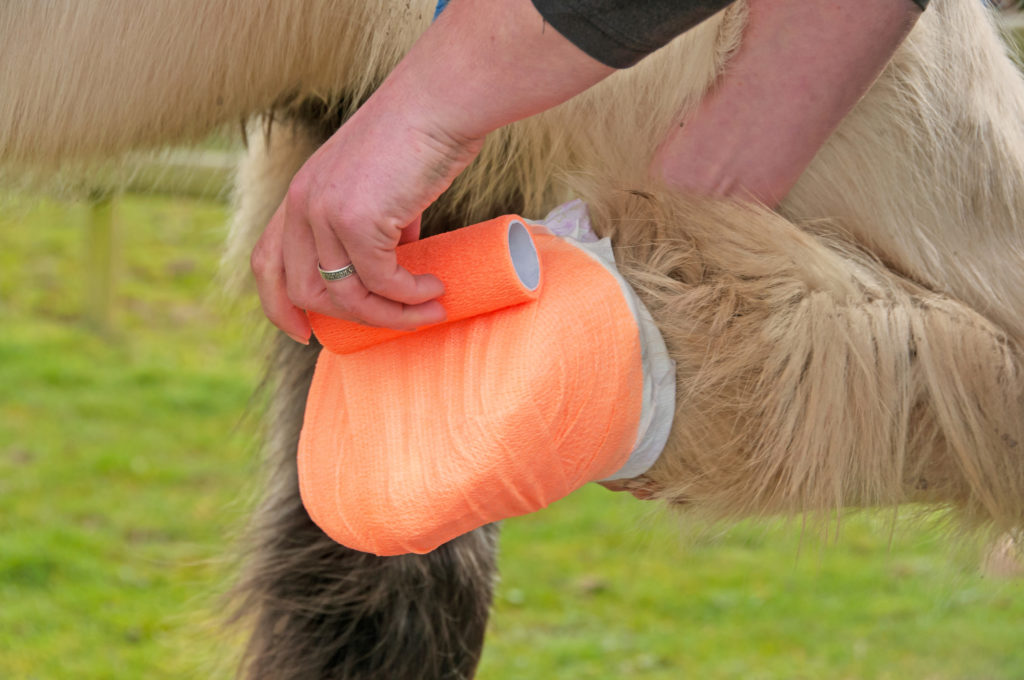
Discover why you must treat hoof punctures with urgency and the steps you can take prior to the veterinarian’s arrival.

Dr. Kristi Gran explains how owners can plan ahead for expenses related to managing a horse with chronic laminitis and why prevention is key.
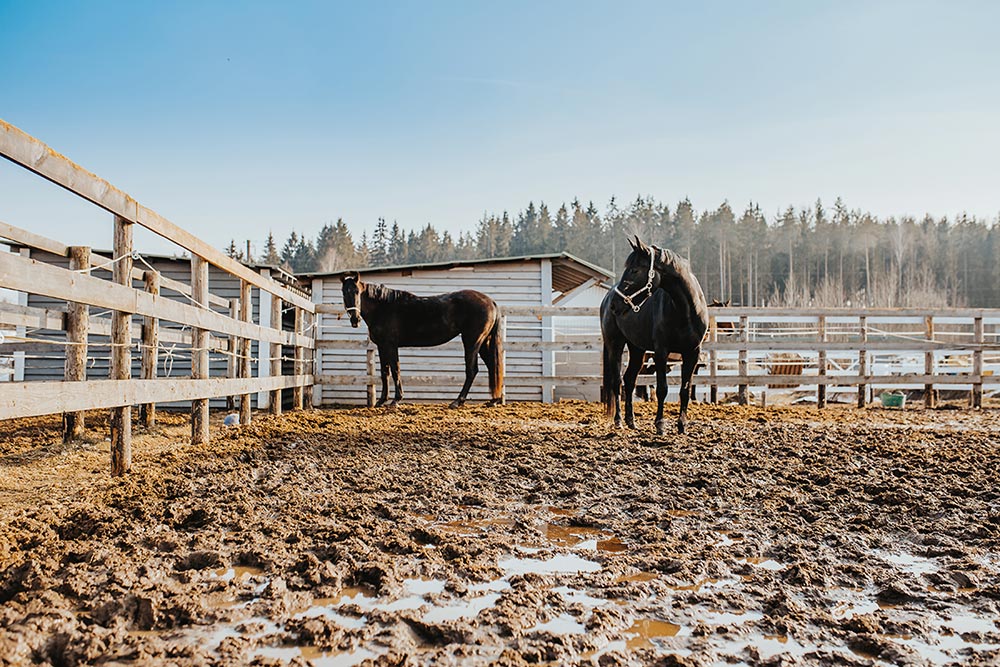
Thrush in horses stems from environment, hoof conformation, and care. Here’s how to prevent it year-round.

A veterinarian explains why hoof radiographs are important, how to use them, and what role they play in helping your horse feel and move better.

Learn how to combat foot issues such as thrush, white line disease, and abscesses that can develop in or be exacerbated by moist, muddy conditions.
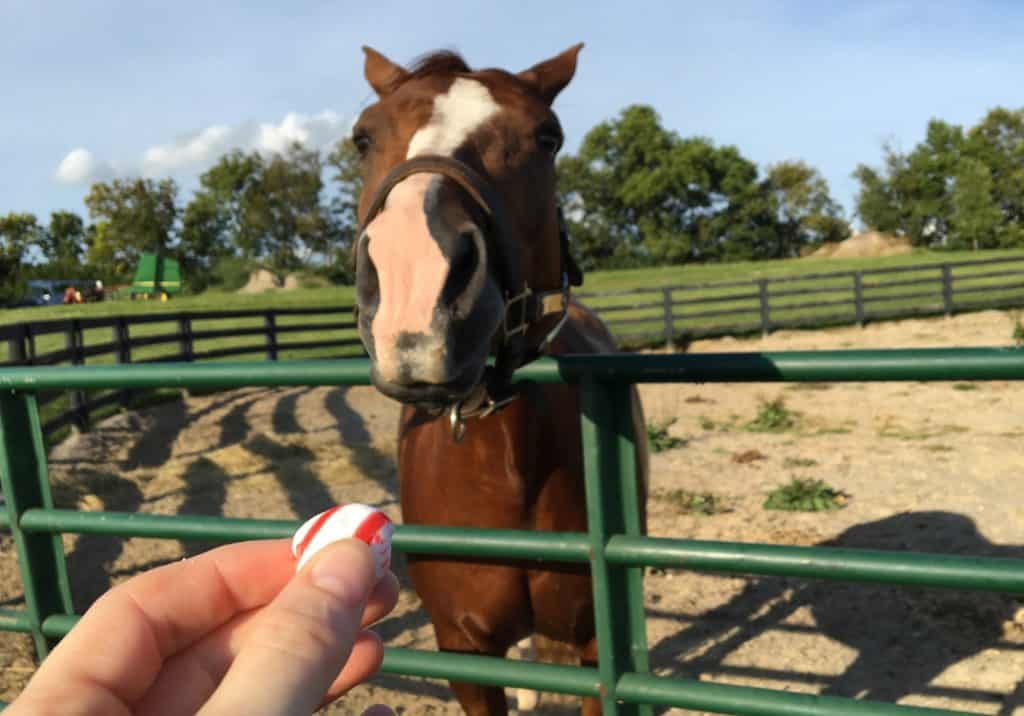
Horses with laminitis can still enjoy an occasional carrot or peppermint, but safer options include low-sugar fruits, veggies, and commercial treats.
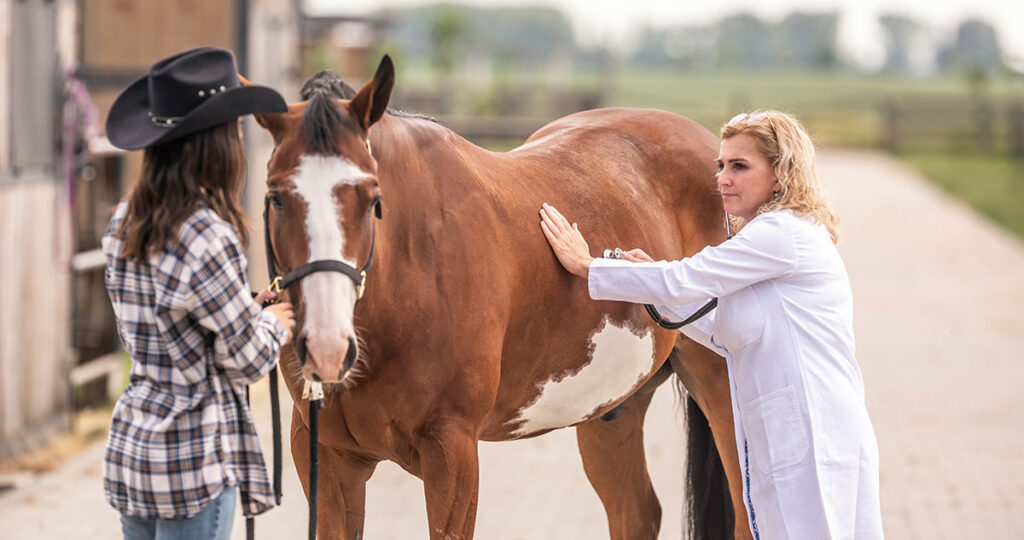
Financial planning and practical management help owners provide effective care for horses with chronic conditions or long-term injuries. Sponsored by CareCredit.

How soon can I ride my horse after he gets trimmed or shod? How do I know if he has thin soles? Vets and farriers answer these common hoof health questions and more.

Veterinarians describe 9 common causes of poor performance in horses and what it takes to get a diagnosis.

Veterinarians weigh in on the do’s and don’ts of wound care, from discovery to recovery.

An equine veterinary podiatrist says ice might help address this horse’s foot pain but won’t solve the main problem.
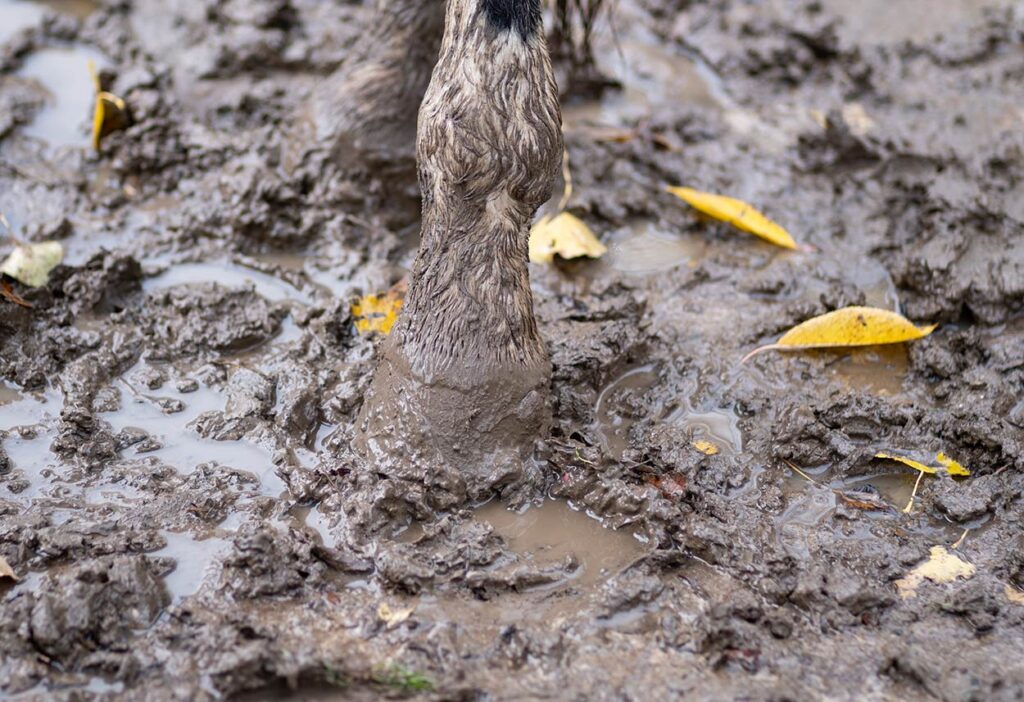
As the seasons change, so do the strategies we use to manage horses’ hooves. Read more in the Fall 2025 issue of The Horse.