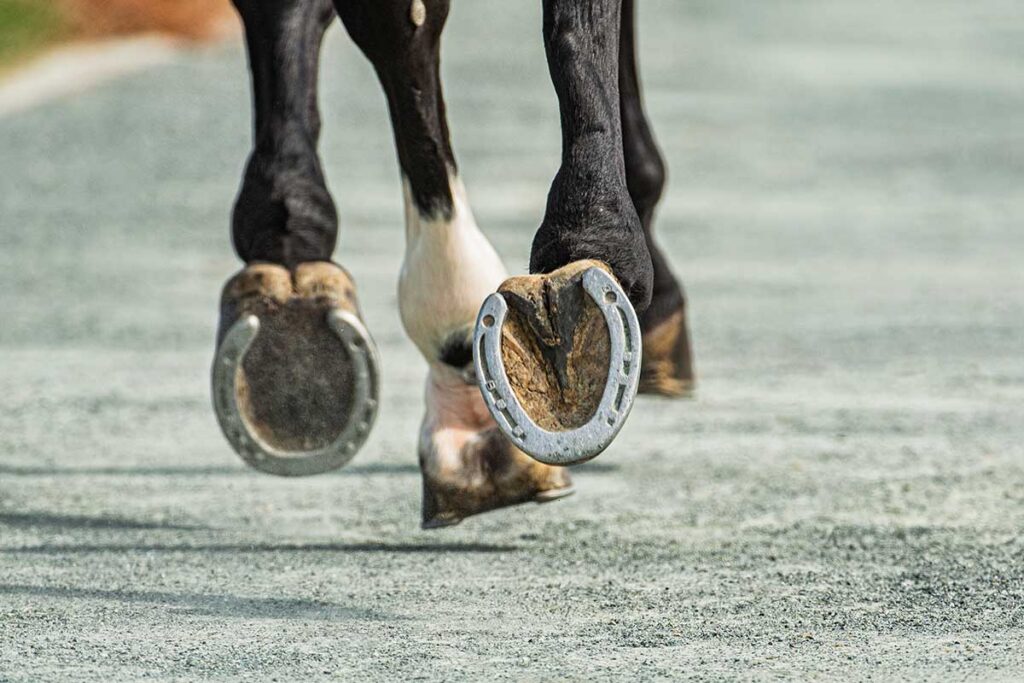
Why Is My Horse’s Hoof ____?
Hoof care professionals share what they look for in a strong, sound foot and how to prevent common problems from developing. Read more in the Winter 2025 issue of The Horse.

Hoof care professionals share what they look for in a strong, sound foot and how to prevent common problems from developing. Read more in the Winter 2025 issue of The Horse.

Here’s how one veterinarian manages horses diagnosed with navicular syndrome to keep them comfortable in a performance career.

Understand why adhering to your veterinarian’s carefully designed laminitis-care plan is critical to your horse’s welfare and well-being.

Overly moist or dry and brittle hooves tend to break and bruise, leaving horses footsore or causing issues with shoe retention. Here are tips for hardening hooves.
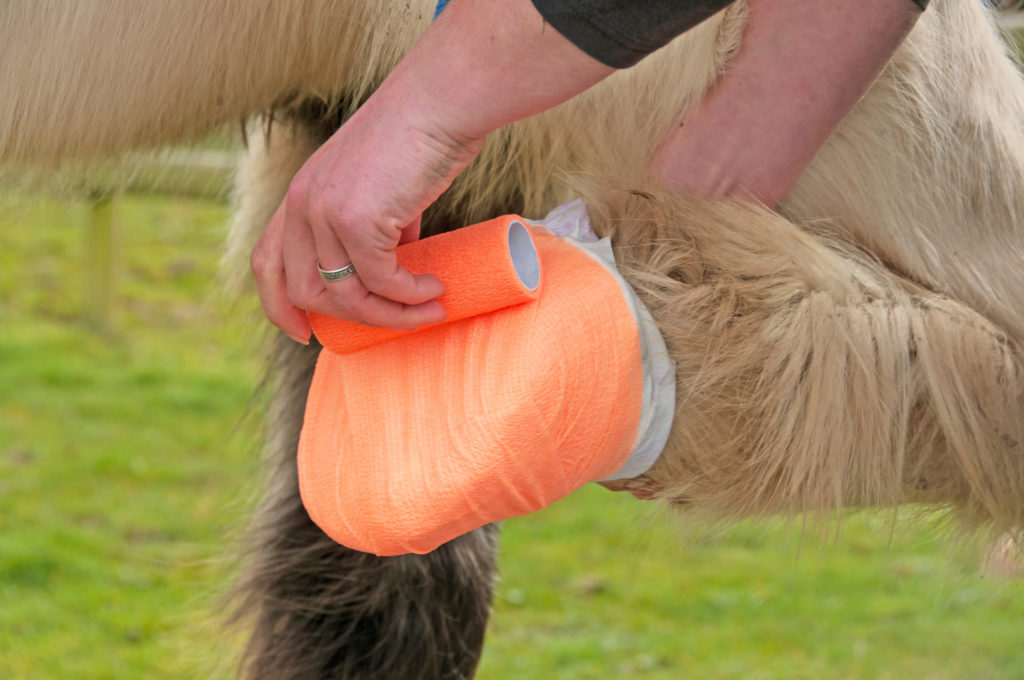
Discover why you must treat hoof punctures with urgency and the steps you can take prior to the veterinarian’s arrival.

Dr. Kristi Gran explains how owners can plan ahead for expenses related to managing a horse with chronic laminitis and why prevention is key.
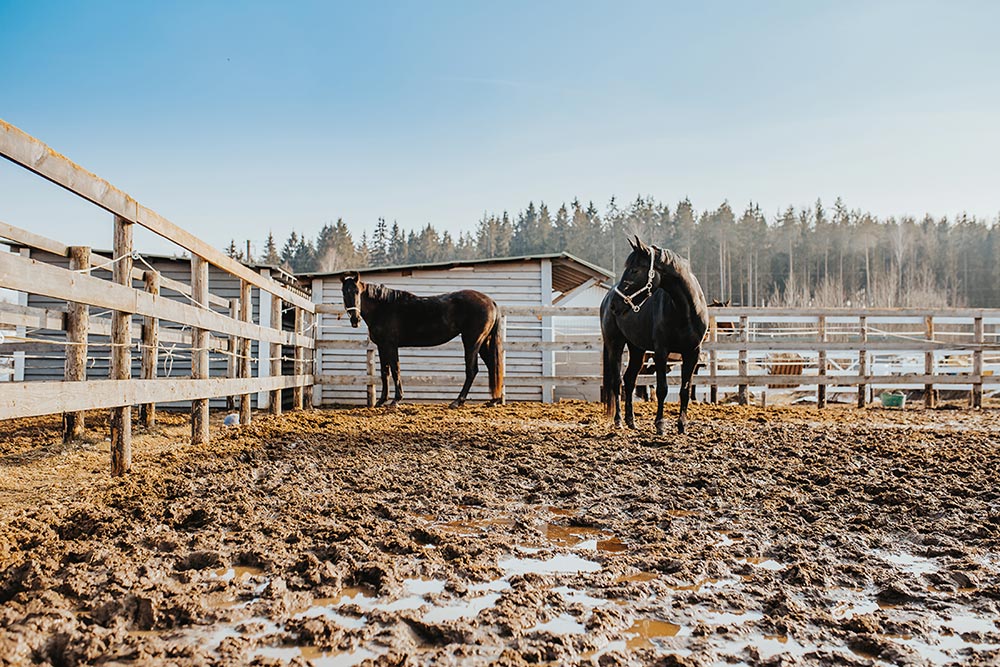
Thrush in horses stems from environment, hoof conformation, and care. Here’s how to prevent it year-round.

Learn how to combat foot issues such as thrush, white line disease, and abscesses that can develop in or be exacerbated by moist, muddy conditions.
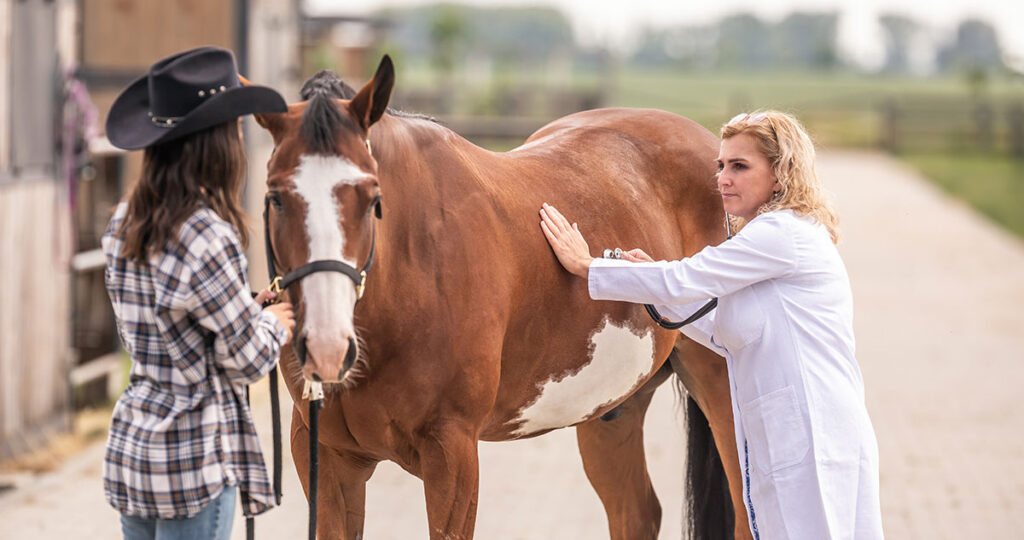
Financial planning and practical management help owners provide effective care for horses with chronic conditions or long-term injuries. Sponsored by CareCredit.
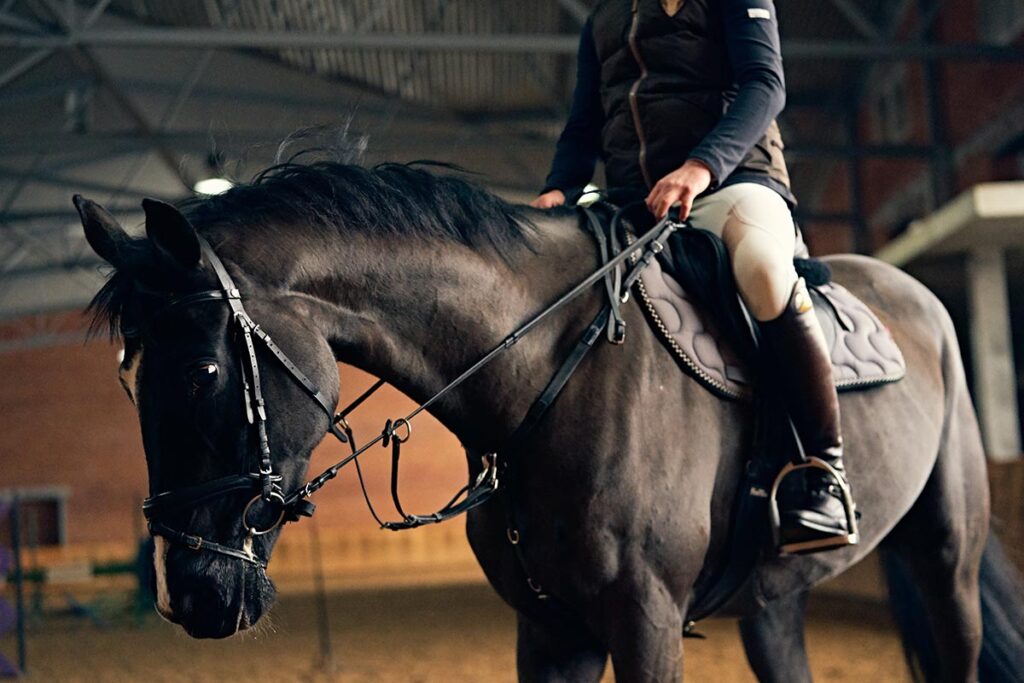
Dr. Wendy Krebs explains the common costs associated with purchasing a horse and early ownership in this Ask TheHorse Live excerpt.

Veterinarians weigh in on the do’s and don’ts of wound care, from discovery to recovery.

Experts describe how to help horses experience a comfortable and healthy retirement.

Dr. Howland Mansfield answers a listener question about the connection between equine metabolic problems, such as PPID, and hind-limb lameness.
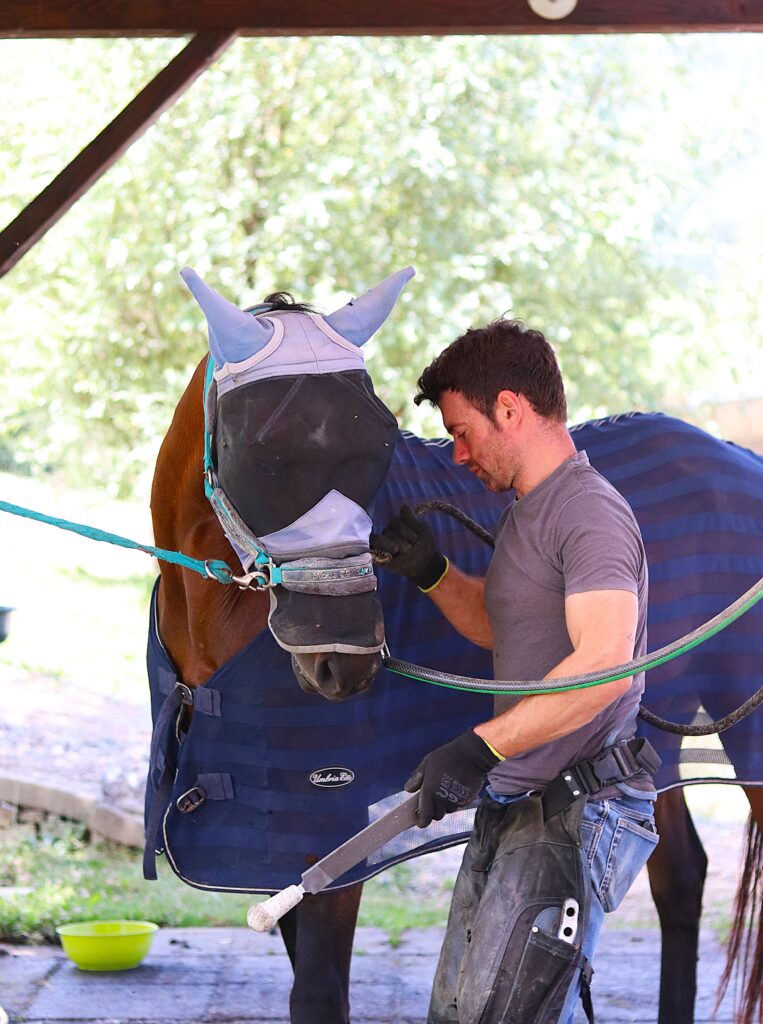
Use these tips to help your horse not just tolerate farrier visits but also enjoy them.

A veterinarian describes when sedation might be necessary for your horse’s farrier visit, common sedatives for farrier work, and safety considerations.

Your farrier plays an important part in your horse’s hoof health. Remembering a few simple things can help the appointment run smoothly.