Large Strongyle S. vulgaris Still a Risk for U.S. Horses
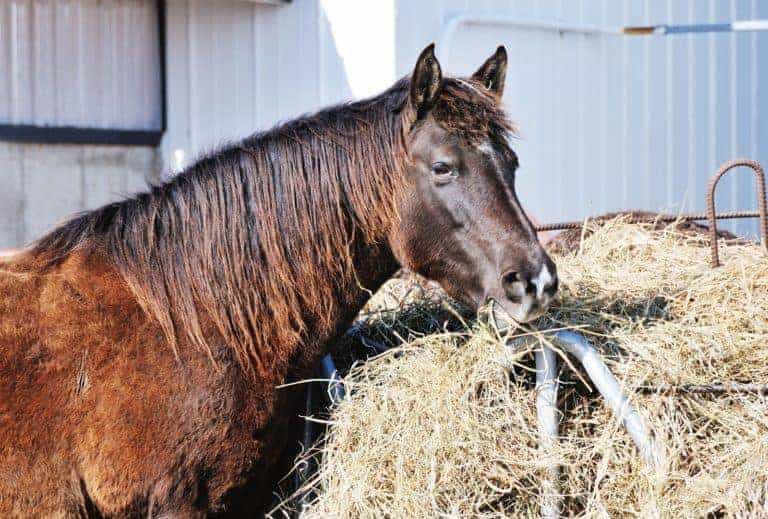
While largely considered eradicated in domestic horses, researchers found that most feral horses tested positive for the internal parasite.

While largely considered eradicated in domestic horses, researchers found that most feral horses tested positive for the internal parasite.

You can find 18 videos to help inform horse owners, farm managers, and veterinarians about equine parasitology best practices starting in October.


Find out how to keep your middle-aged horse’s teeth, feet, joints, and more healthy.

While some types of diarrhea in horses present little to worry about if watched carefully, others can be life-threatening. Read more about this condition’s causes, diagnosis, and treatment.

The horse parasite control guidelines, first published in 2013, have been revised and updated to reflect recent research findings.

Transition to targeted deworming without a hitch with these free resources.

Many factors affect your horse’s ability to mount an effective immune response, one of which is his age. Learn more about the horse’s immune system and how it functions at every stage of his life.

Researchers now have a model that allows them to evaluate all possible parasite control strategies.
Jennifer Cain’s current research focuses on characterizing the microbiome of the equine roundworm.
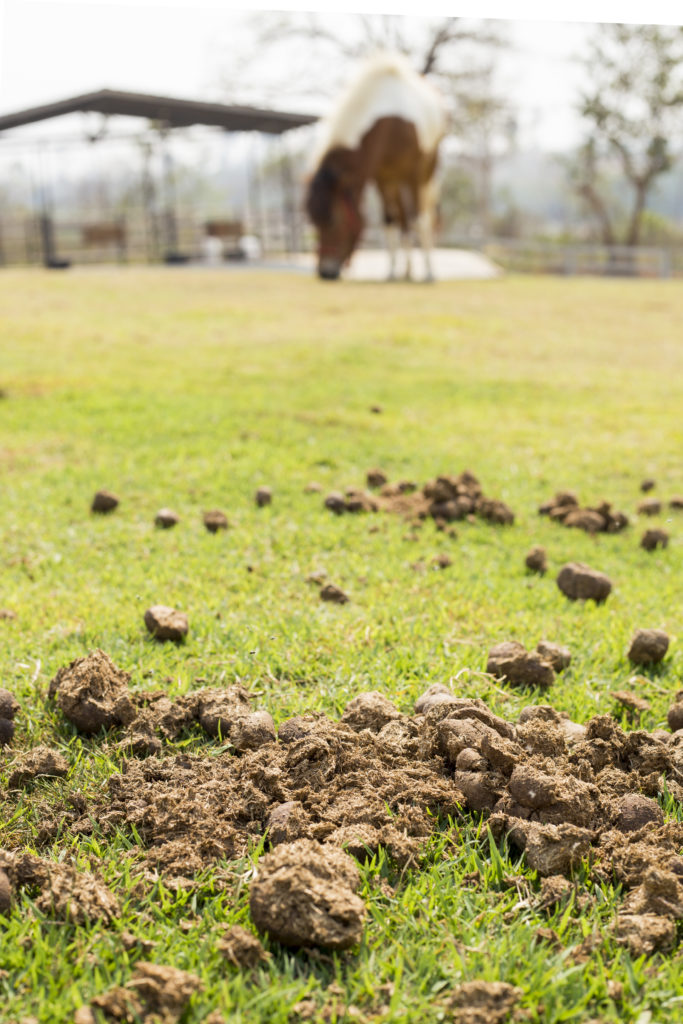
Could adding a supplement to your horses’ feed reduce the worm burden on your pasture? Researchers recently tested an Australian product designed to do just that—and with positive results.

Find answers to questions about equine infectious anemia, Potomac horse fever, parasites, and more.

Learn why this deworming technique doesn’t have an antiparasitic effect in horses.

Periocular habronemiasis appears as granulous lesions around the eye as a result of parasite infestations. While it was once more common in tropical and subtropical climates, veterinarians have begun diagnosing it in regions as far north as Europe and the United States.

Listen to audio features on equine metabolic issues, colic, hoof abscesses, parasite control, navicular syndrome, and more.
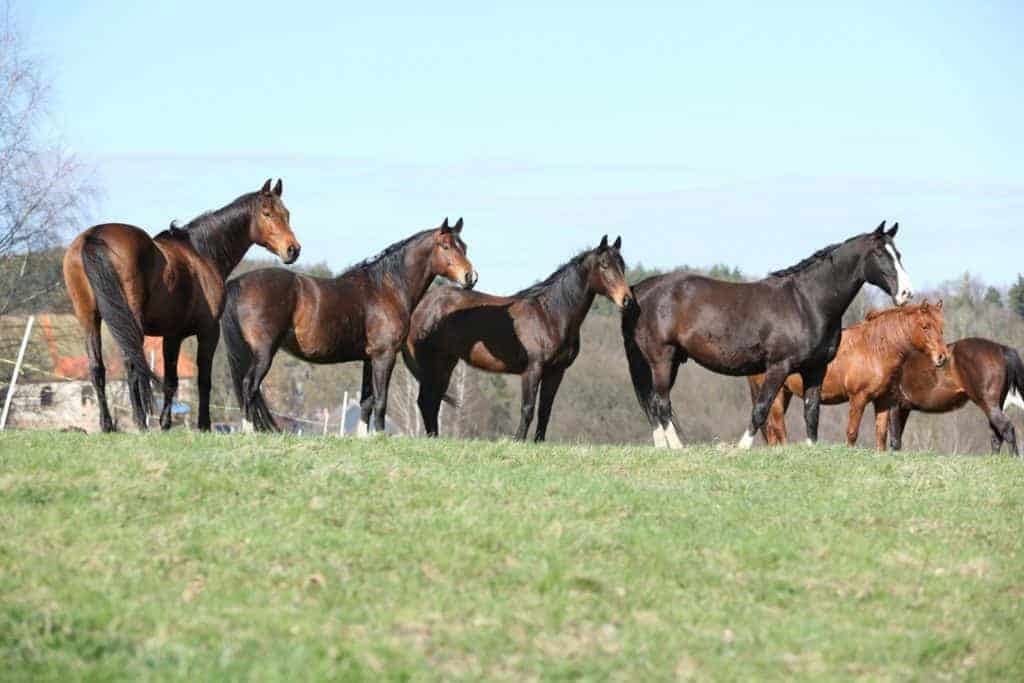
Findings from a recent study could afford a better understanding of how parasites choose their hosts within a herd and lead to the identification of biomarkers that could help pinpoint which horses are more likely to be wormy, researchers said.