Parasite Control FAQs
Two experts answer your questions about equine parasite control, deworming strategies, managing parasite resistance, and more.

Two experts answer your questions about equine parasite control, deworming strategies, managing parasite resistance, and more.

A reader dewormed her new yearling with the rest of her herd and was surprised by what she found the next day.

Researchers continue to study internal parasites with a focus on preventing resistance to deworming drugs.

Vets recommend a whole-facility-focused approach to parasite control, but what do you do when you don’t manage the farm?

Should broodmares be dewormed before giving birth? An equine reproduction specialist responds.

Learn how to optimize your parasite control program all month long. Sponsored by Zoetis.

Dr. Martin Nielsen offers solutions for 7 common problems veterinarians and their technicians encounter when performing FECs.

Ensure your senior horse or pony is prepared for a healthy and happy year ahead.
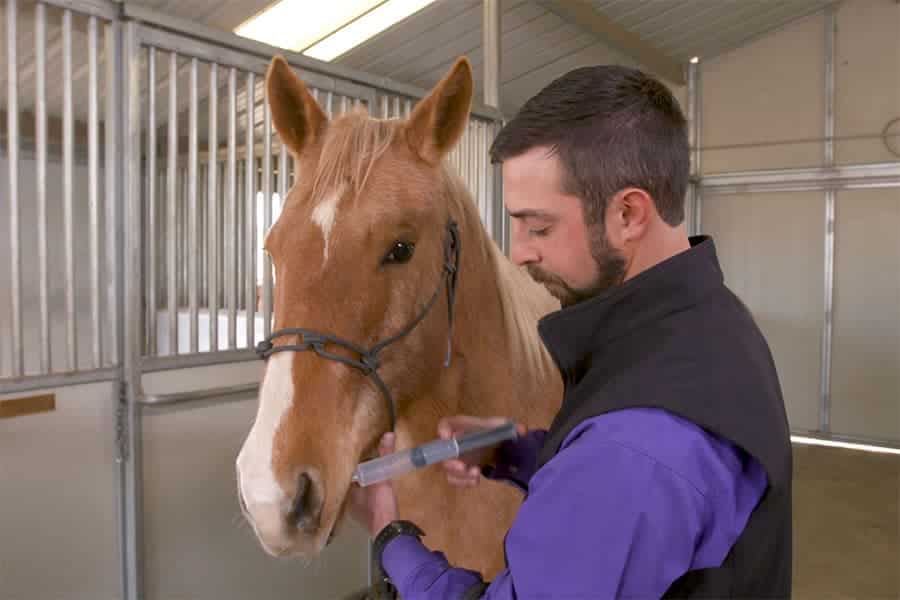

Free-roaming Przewalski’s horses experience notable changes in their gut microbiota after annual deworming.
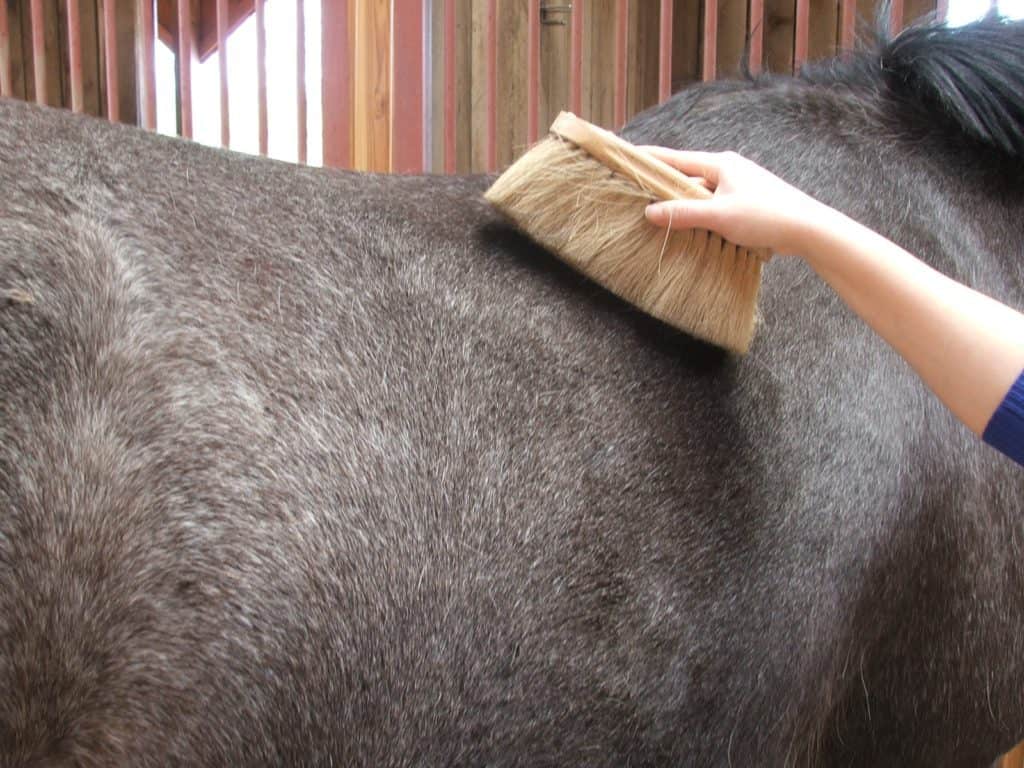
Senior horses with PPID need careful monitoring and preventive care because of equine Cushing’s effects on immunity, exercise tolerance, thermoregulation, and wound healing.

Researchers found treating all horses on a farm four or six times a year with moxidectin or ivermectin makes worms develop anthelmintic resistance two to three times faster than other recommended programs.

A researcher who specializes in aging equines offers nutrition, dental care, parasite control, vaccination, exercise, and health monitoring for seniors.

Alternating or commingling cows with horses on pastures appears to effectively reduce strongyle burdens in both species, according to two studies.
Deworming doesn’t have to be dull! Brush up on your parasite control knowledge with these expert-approved facts.

Use this guide to help create an internal parasite control program for your adult horse.