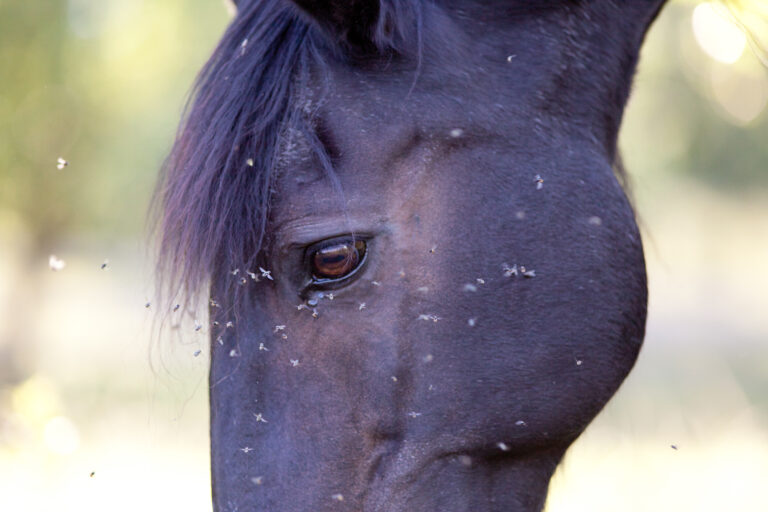
Laminitis Prevention and Intervention in Hospitalized Horses
Hospitalized horses are at an increased risk for developing laminitis as a complication of injury or illness.

Hospitalized horses are at an increased risk for developing laminitis as a complication of injury or illness.

The ideal way to manage an obese horse or pony is to prevent it from becoming obese in the first place.
Pony Club and 4-H members will learn about horse health care, equine veterinary medicine, and horse husbandry.
By following these tips you can help keep your horse healthy all winter.

Researchers noted no significant effects of treating horses with an anti-ulcerogenic supplement.
Through the service practices can offer online access to horse health and wellness information.
A better equine feeding system will offer small amounts of grain and forage over many hours.
One of the challenges with equine pain management is often simply detecting a horse in pain and to what extent

New diagnostic technologies and treatment modalities have revolutionized how vets address equine back pain.
In the right hands, these physical therapy methods can help rehabilitate injured horses.
My horse got kicked in the lower throat area (esophagus) a while ago. Lately his breathing has been vigorous

Could your horse have a respiratory disease? Here’s how your vet will find out.
The products available to control ammonia buildup in barns boast a variety of forms and ingredients.

Chronic pain can’t be ignored, as it negatively impacts both a horse’s physiology and his mental health.
Corticosteroids’ benefits (when used appropriately, in low doses) should outweigh the risks.
Effective Dec. 1, individuals competing in USEF-sanctioned events must be aware of new rules on NSAID useage.