Equine Cushing’s: Case by Case
Learn how veterinarians diagnosed and managed six real-life equine Cushing’s cases that strayed from the classic scenarios.

Learn how veterinarians diagnosed and managed six real-life equine Cushing’s cases that strayed from the classic scenarios.

A dappled coat might be a sign of optimum equine health and nutrition, but the reality is more complicated. One equine nutritionist offers advice on bringing out the bloom in your horse’s coat.

A veterinary anesthesiologist describes the steps he takes when caring for horses before, during, and after surgery.

Aged horses require the same, if not higher, level of care as their younger counterparts. Learn about the unique needs of old horses, and meet five over-30 horses with age-related ailments.

My older horse has respiratory allergies. Is there anything I can do to help him breathe easier while wearing a muzzle?

Changing your mare’s estrous cycle patterns can facilitate your breeding and performance plans. Learn about current options for owners who want to control their mares’ heat cycles.

Insect bite hypersensitivity is a lifelong condition, and affected horses will always need management and/or therapy. But often a patient can be clinical-sign-free with low exposure to inciting antigens.

Dr. Scott Stanley of the University of Kentucky describes the challenges conventional drug testing presents and a potential biomarker-based solution.
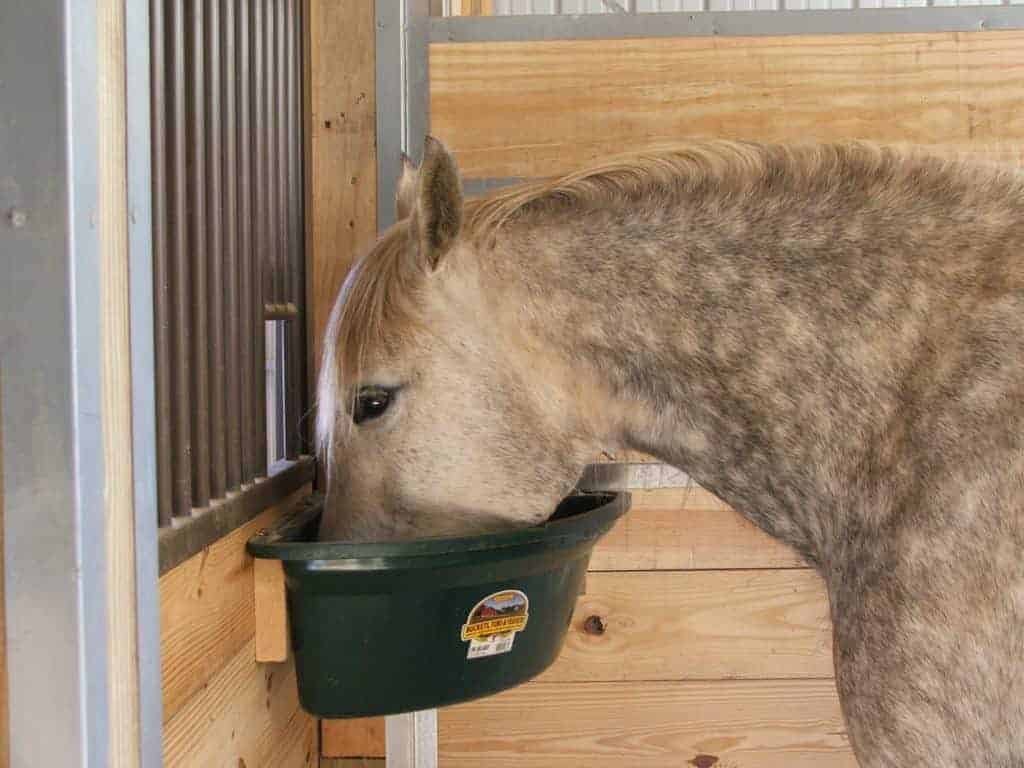
Learn about feed allergies in horses—including allergy testing—and what you can do to make sure your allergic horse gets the nutrition he needs.
Do you have an itchy horse? We have help! Check out our special report on sweet itch. Sponsored by Kinetic Vet.

If you’ve got a horse with insect bite hypersensitivity, midges might not be your only problem. Researchers found that IBH horses are more likely to develop allergic reactions elsewhere—specifically, in the breathing passages.

Find out how to prevent equine upper respiratory tract infections from spreading throughout your barn.
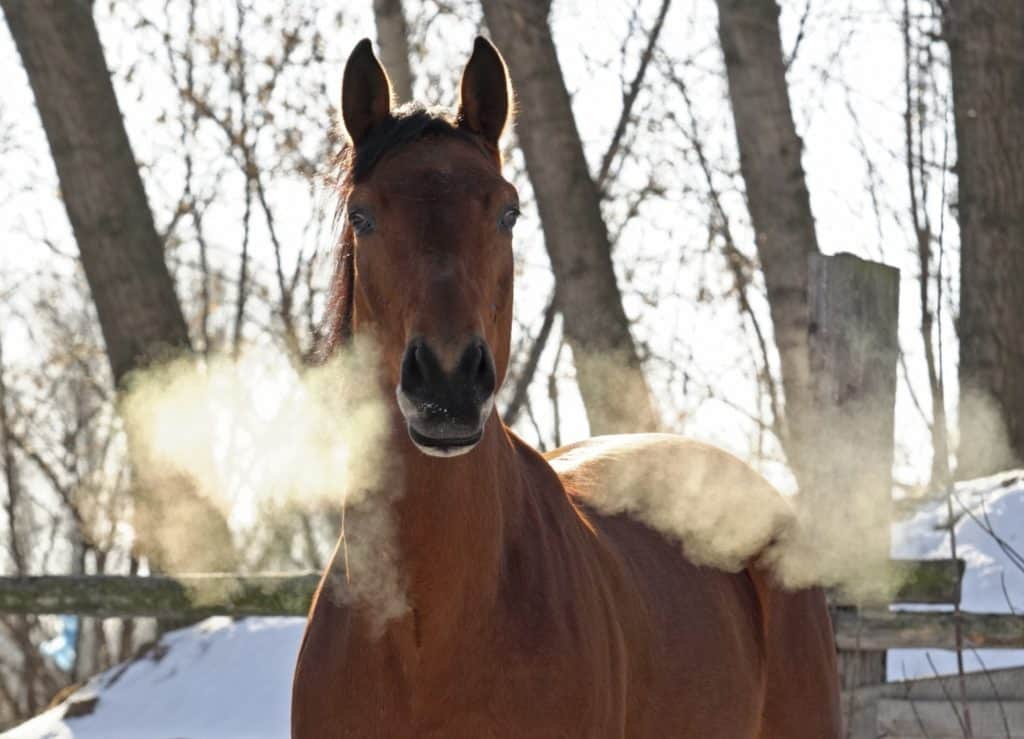
Does your horse have asthma? Find out how you can help him using management and environmental changes.

Find resources about air quality and equine respiratory health during the week of April 26 on TheHorse.com.

Experts at the American Association of Equine Practitioners’ annual convention talk about medication regulation in the racing industry.

Although horse sports—and three-day eventing in particular—carry inherent risks to both horse and rider, significant safety efforts in recent years have led to safer competitions, according to two sports medicine specialists.