What’s New With Weaning Foals?
As you consider ways you can help your foal—and his dam—through the weaning process, examine proven methods based on research findings to formulate a plan.

As you consider ways you can help your foal—and his dam—through the weaning process, examine proven methods based on research findings to formulate a plan.
Find out what insects can spread equine infectious anemia from Dr. Angela Pelzel-McCluskey.
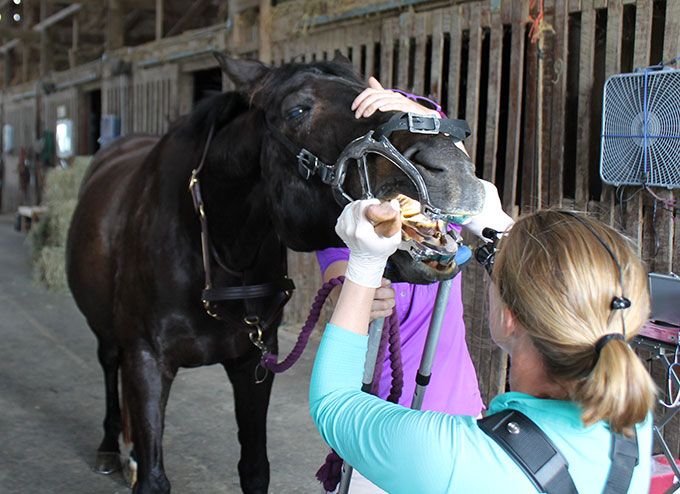
Modern options for equine sedation allow veterinarians to safely and thoroughly provide care for their patients during standing procedures such as dental exams and joint injections.
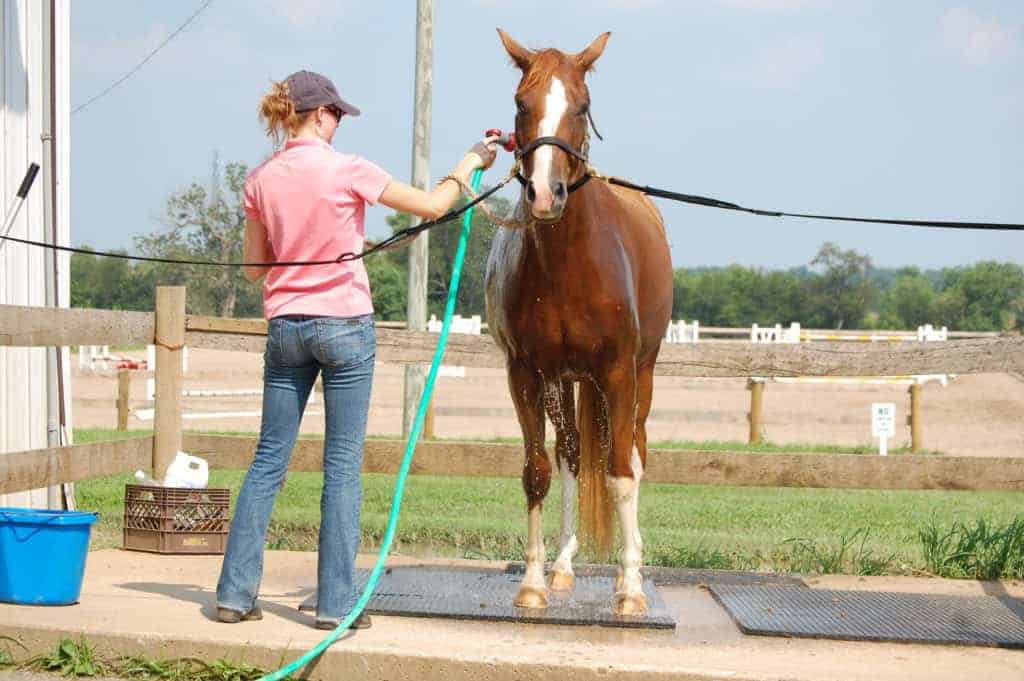
Find out how to avoid equine skin and coat problems caused by frequent lathering and rinsing.

Learn about this difficult-to-manage allergic reaction to the saliva of biting insects in our visual guide.

Our equine nutritionist and physiology expert offers advice on managing horses that have stopped sweating.

Alternating or commingling cows with horses on pastures appears to effectively reduce strongyle burdens in both species, according to two studies.

Survey: Owners generally like trying out complementary and alternative therapies on their horses. But they don’t always tell their veterinarians about it.

Learn about equine sedation and anesthesia in this Q&A with a leader in the field.

British researchers analyzed 4,000 road incidents between cars and ridden or handled horses and found drivers’ passing too closely, speeding, and road rage all contributed to conflicts and injury.
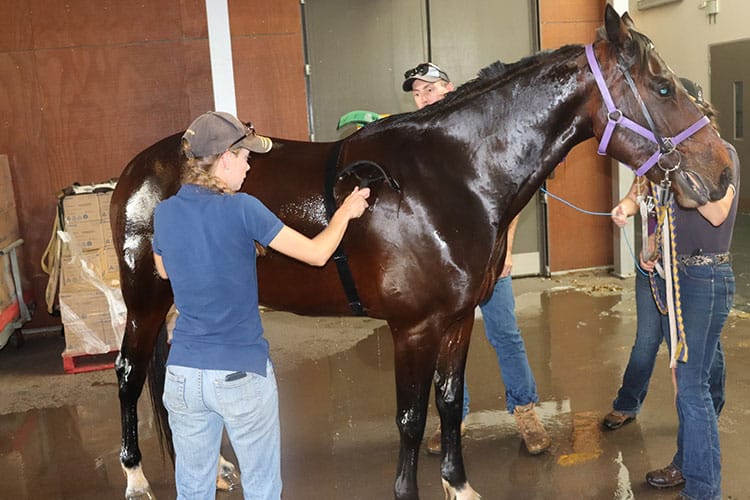
Study: To prevent exertional heat illness, handlers should reapply cool water to hot horses every minute without scraping it off.

Veterinarians from UC Davis offer 10 important tips to prevent heat-related problems in horses.

Horses with a history of anxiety during fireworks displays showed marked improvement with treatment, their owners reported.

Dr. Andrew van Eps suggests addressing obesity now to prevent laminitis, shares new insight into supporting limb laminitis, and offers advice about icing feet in acute cases.

Researchers found many people accept that working with horses is dangerous—especially more experienced riders or those working with horses for financial gain.

Pituitary pars intermedia dysfunction (PPID, or equine Cushing’s disease) is caused by an enlargement of the pituitary gland’s middle lobe (the pars intermedia), which results in an overproduction of hormones that regulate bodily functions. Learn more about this disease in our slideshow.