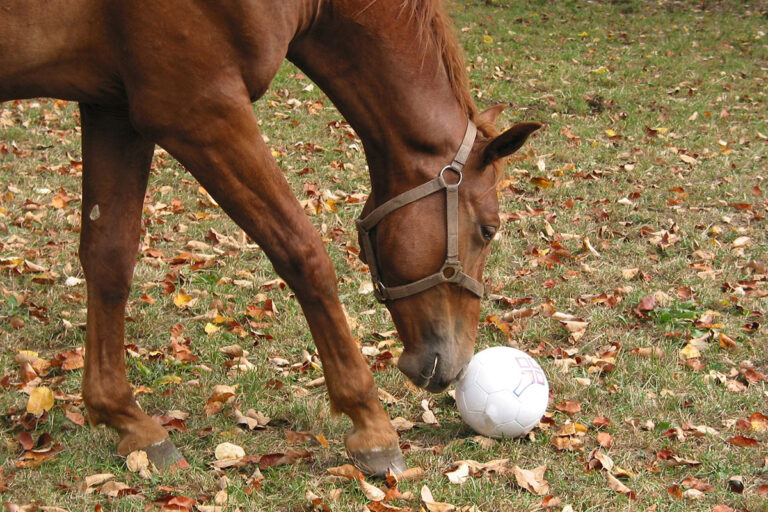
Understanding and Improving Stock Show Horse Treatment
One researcher shared her recently developed model for improving welfare in the stock horse industry.

One researcher shared her recently developed model for improving welfare in the stock horse industry.

Researchers observed a negative bias of block-colored and spotted horses, which could impact subjective evaluations.

One vet shares how learning theory techniques can help teach difficult horses to stand calmly and accept treatments.

Increased vigilant behavior was correlated with intestinal microbial disturbances induced by a high-starch diet.

How can I encourage my horse to stand still during mounting?
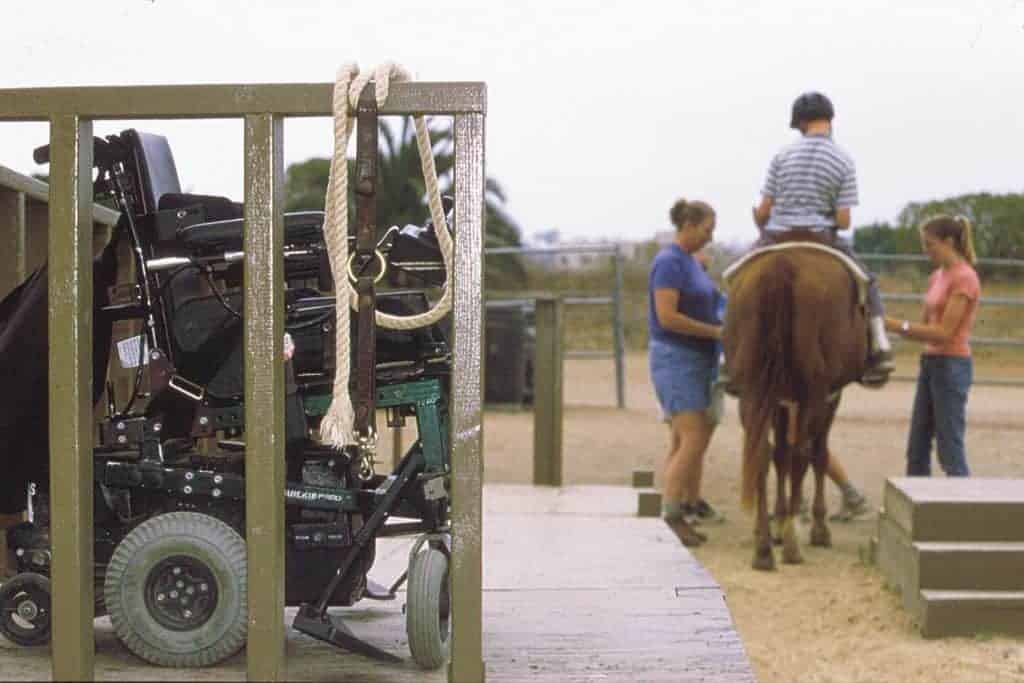
Stress can impair a horse’s performance, diminish the benefits of therapy, and create safety risks to vulnerable riders.
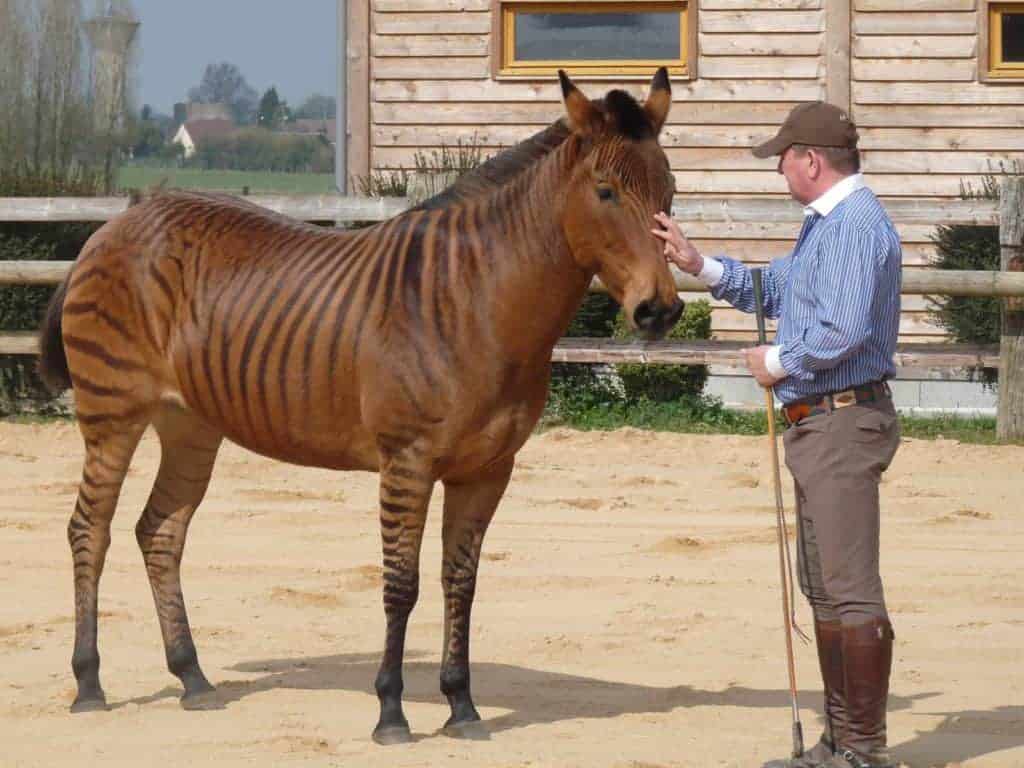
A trainer shares how he used learning theory principles to train a half-zebra with “complicated instinctive behavior.”

Average rein tensions in riders’ dominant hands were 34-45% greater than in their nondominant hands, a study found.

Researchers concluded that nose twitches, when properly applied, are a humane restraint for short usage situations.

What happens before bridling might hold a clue as to why this horse yawns when facing his bridle.

Scientists are on the hunt for reliable objective measures of positive emotions in horses being ridden and trained.

These principles can help riders maintain equine welfare, improve safety, and allow horses to perform at their best.
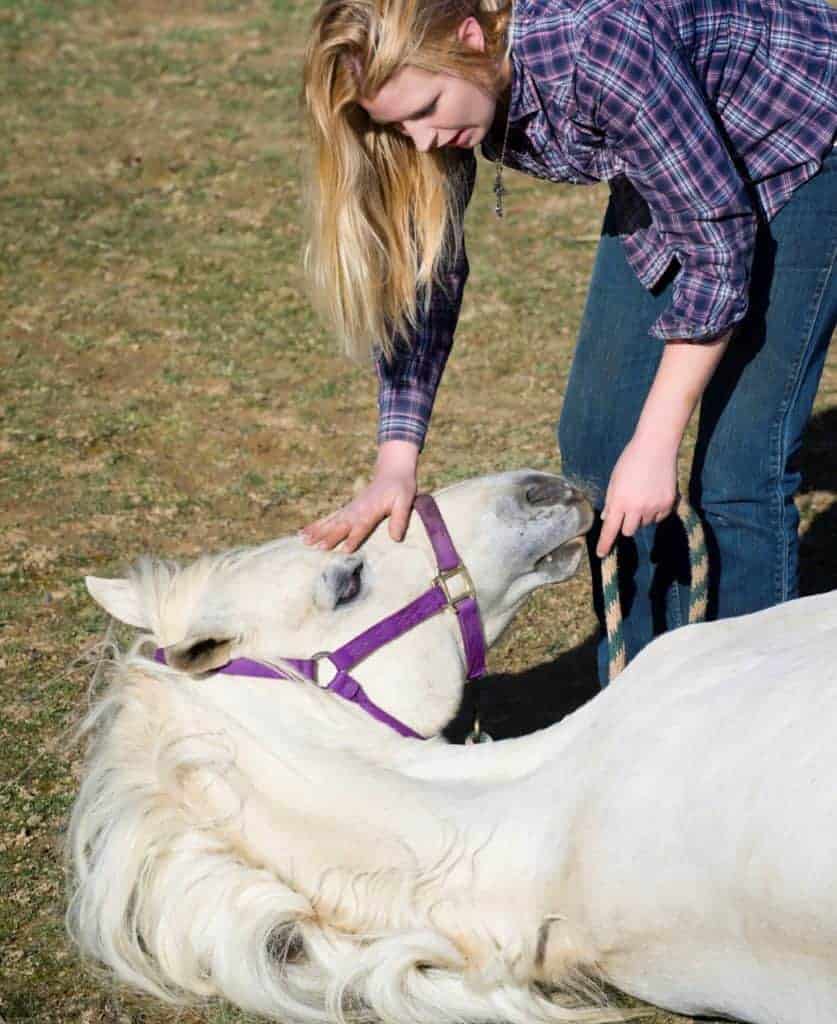
When a person lays a horse down to show its submission, the animal might actually be using its last line of defense.

An equine behavior researcher addresses potential reasons a 3-year-old is grinding his teeth during training.
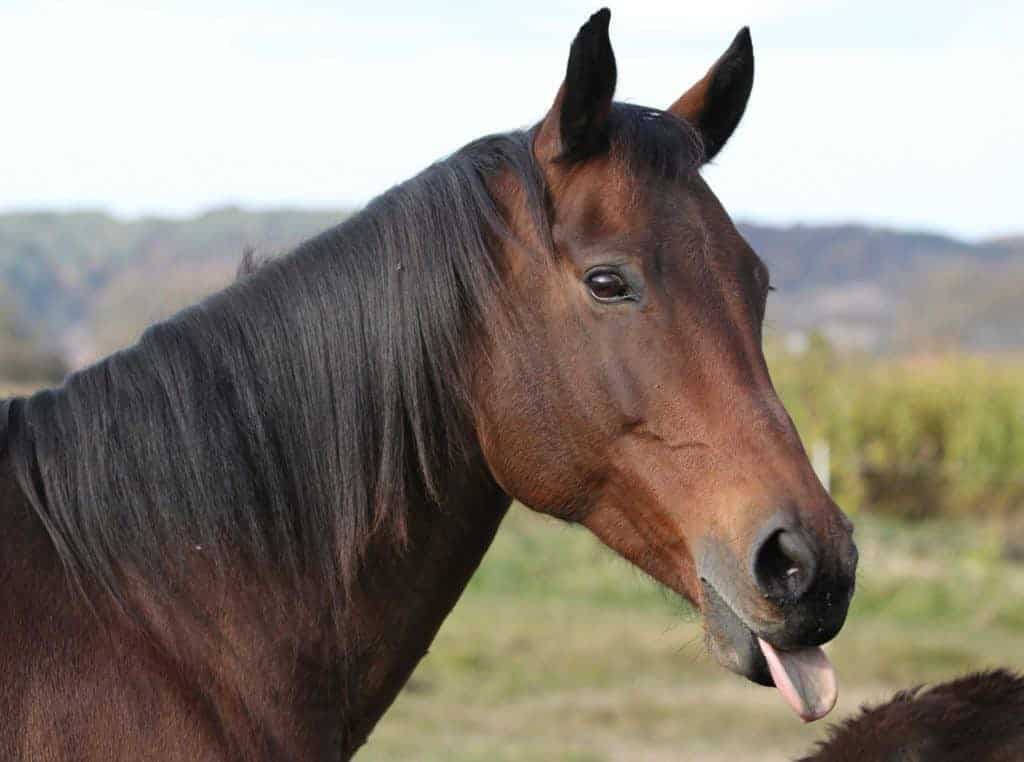
A reader wonders why her mare turns her head, grits her teeth, and sticks out her tongue.

It’s all about teaching him that if he does something else–even standing still–he’ll get a reward, researchers say.