How to Bandage a Horse’s Wound
Learn how to manage minor leg wounds in our step-by-step visual guide.

Learn how to manage minor leg wounds in our step-by-step visual guide.

Using 0.2% PHMB-impregnated gauze reduced the growth of underlying bacteria commonly implicated in orthopedic wounds and infections of horses.

Take a look inside Rood & Riddle Equine Hospital’s vet-recommended equine first-aid kit for minor wounds.

Being prepared for an equine emergency can help make the situation less stressful and result in a more positive outcome.

A deep branch lateral plantar neurectomy and fasciotomy procedure can get affected horses back to work.

Seven measurement tools and methods veterinarians can implement into equine rehabilitation programs to track progress.

After identifying the affected structures, veterinarians can use ultrasound, radiographs, and synoviocentesis to assess synovial involvement.

Using the natural antimicrobial prophylactically offers another line of defense against incisional infection in horses undergoing colic surgery.

Research topics include nocardioform placentitis, bisphosphonates, exertional rhabdomyolysis, stem cells, equine asthma, and more.

Digital flexor tendon sheath pathology can be difficult to diagnose and treat successfully. Here’s a look at Dr. Florent David’s approach, which he presented at the 2019 NEAEP Symposium.

A veterinarian describes conventional and alternative therapies for helping tendons and ligaments heal.

Dr. Karen Waite shares her personal experience with serious injuries caused by ice and how to prevent them.

When the going gets muddy, the muddy get hoof problems. Here’s what to watch for in your horses.

As concerns over antibiotic resistance grow, equine veterinarians look for ways to treat wounds without reaching for these powerful drugs. Here are some of their options.
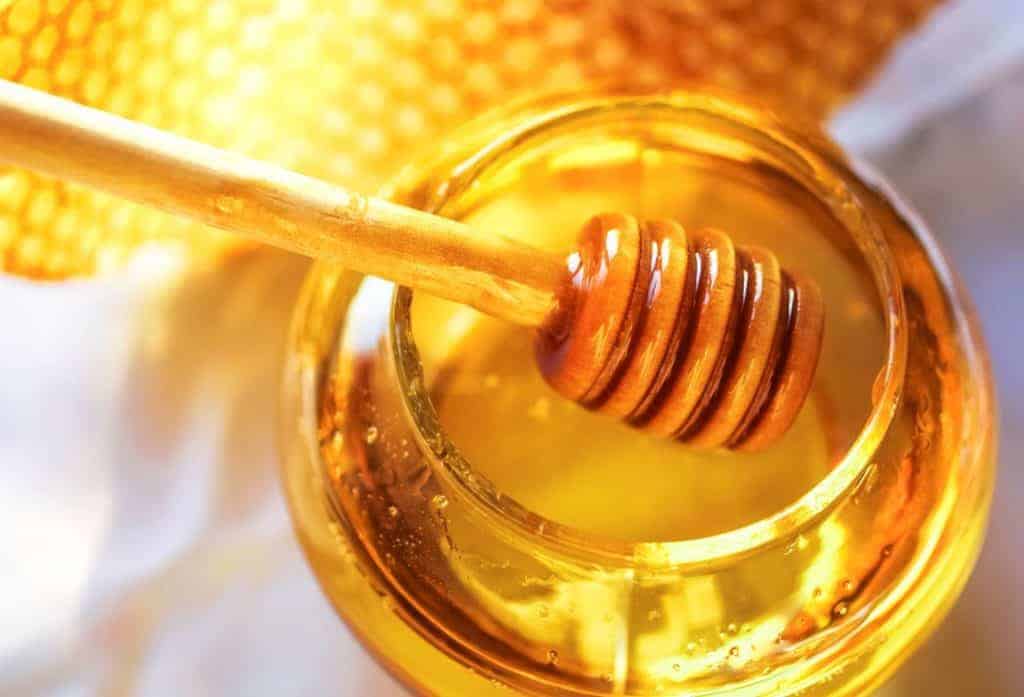
The secret to better equine wound healing might have been with us all along, thanks to bees.

Rabies is a concern when horses are bitten by unknown animals. Find out how to protect your horse.