Tips for Getting Horses to Eat Medications
Do you struggle to get pills into your horse? A nutritionist offers advice and some precautions.

Do you struggle to get pills into your horse? A nutritionist offers advice and some precautions.

Varying the surfaces on which you exercise your horse can help produce a strong, well-rounded equine athlete.

Researchers review what a PPID diagnosis could mean for older horses’ long-term health.

Barn air quality can shape a horse’s respiratory health. Good ventilation and thoughtful management help reduce airborne irritants and protect the lungs.
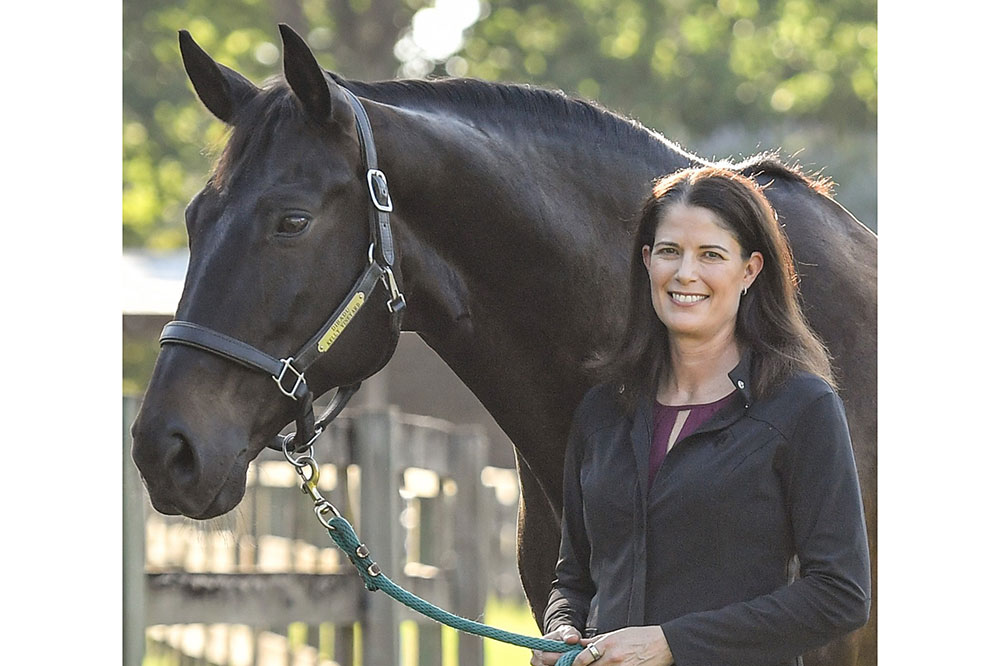
Kelly Vineyard, PhD, shares expert insights on spring horse nutrition and common concerns such as metabolic health and pasture sugars.

What does it take to optimize a horse’s immune response and fight off disease?

A comprehensive look at options for keeping equine athletes with arthritis on the move. Sponsored by Bimeda.

Watch this webcast to learn more about equine orthobiologics and how veterinarians can use them in horses. Sponsored by Dechra.

Do you have a horse with flaky skin and a dry mane and tail? The right feed might help.

Are you and your horse ready for spring? Check off all the items on this list to prepare for a healthy, successful riding season.
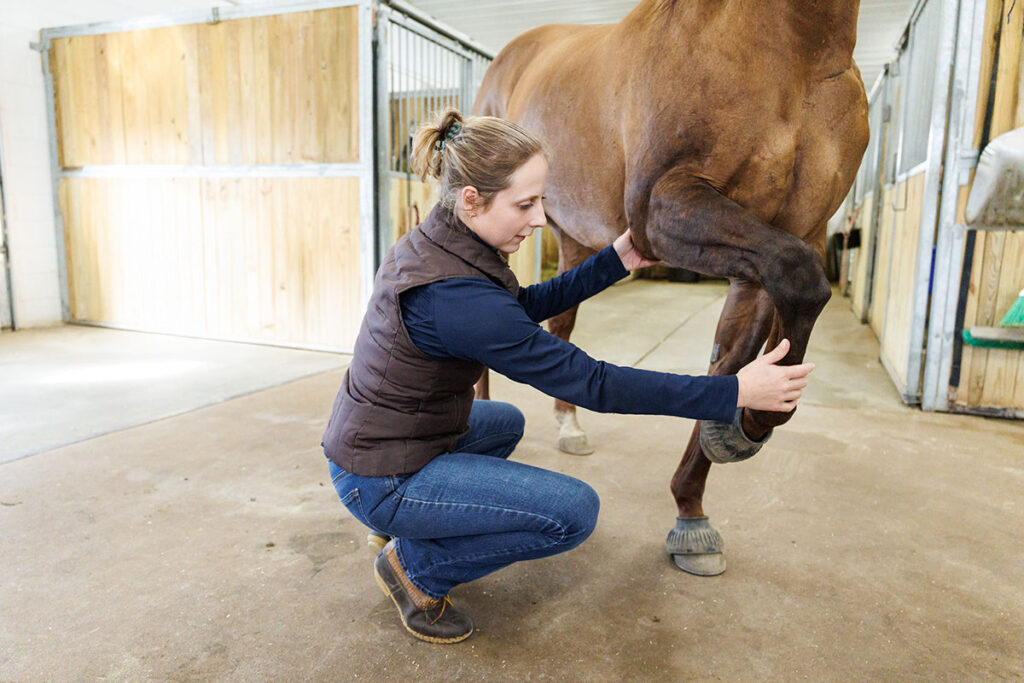
From palpation to nerve blocks, get an inside look at today’s lameness exam in horses in the Spring 2026 issue of The Horse.
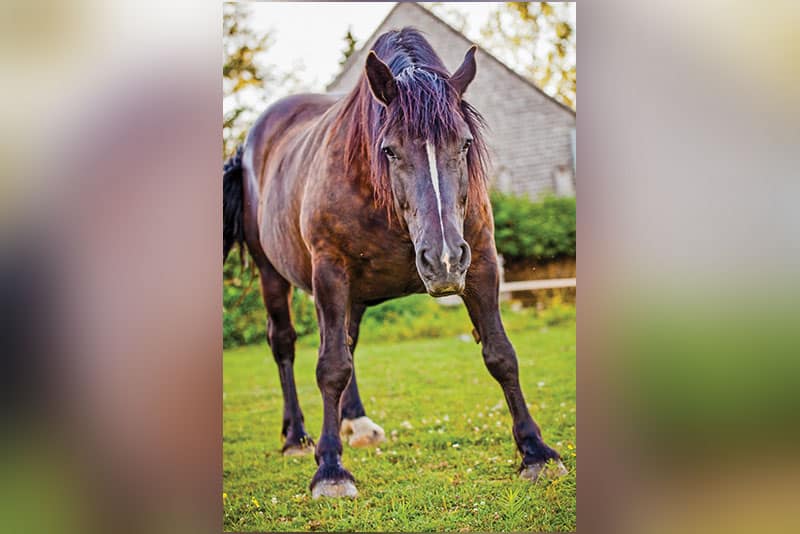
Manage at-risk horses’ diet and exercise to help avoid this painful condition.

Pituitary pars intermedia dysfunction is one of the most common conditions in older horses—and one of the most treatable. Here’s what you need to know.

Careful dietary management helps horses with EMS stay in work while reducing laminitis risk.
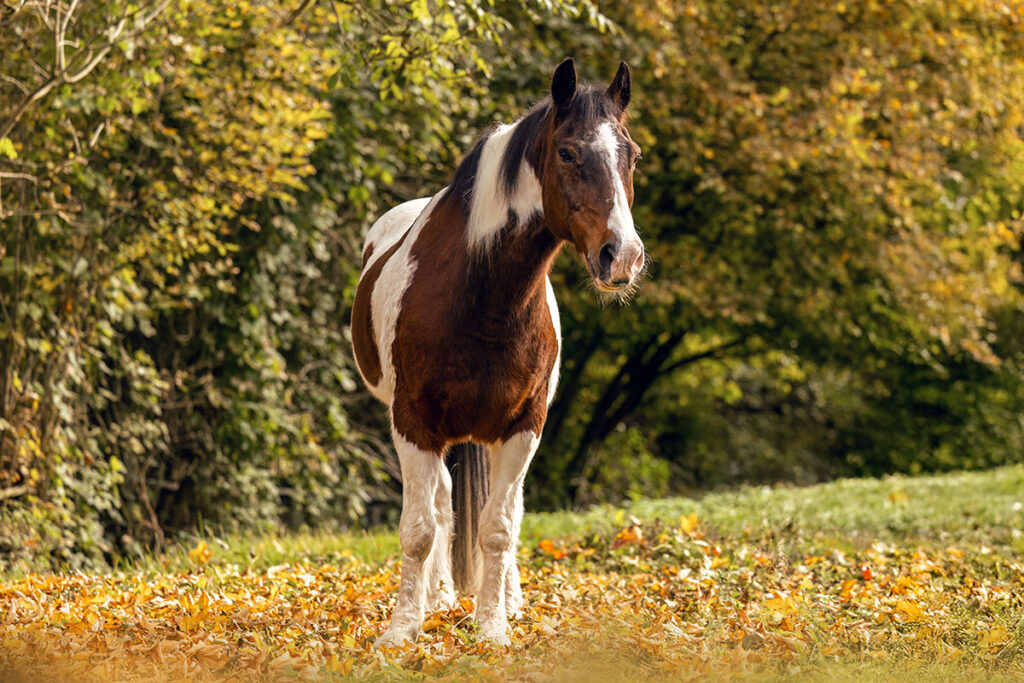
Two experts answer questions about keeping horses sound through their senior years during this episode. Sponsored by American Regent Animal Health.
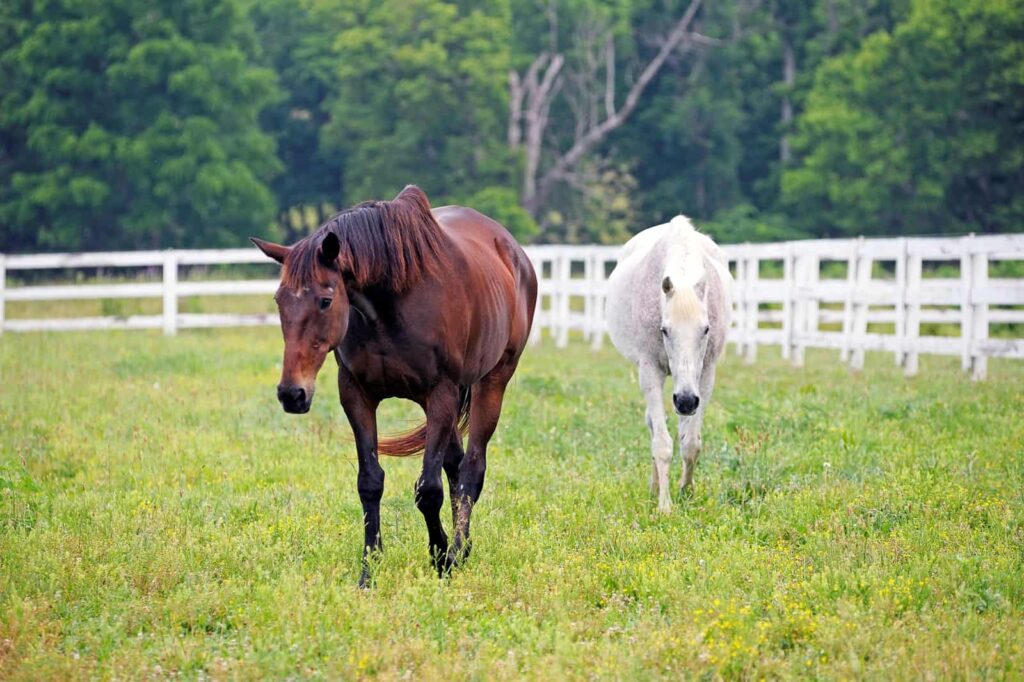
Simple management changes can help keep senior horses with osteoarthritis comfortable and active.