Save That Foal: How to Keep Newborn Foals Healthy
Give your new foal the best chance for a healthy start to life by understanding the red flags—and the green lights—of neonatal health.

Give your new foal the best chance for a healthy start to life by understanding the red flags—and the green lights—of neonatal health.

The cases bring the province’s number of affected equine premises to three.

Five clues she’s not ready to breed on the first heat after foaling, along with principles to follow if she is.

Test results are pending for 62 exposed horses on the affected horse’s home premises.
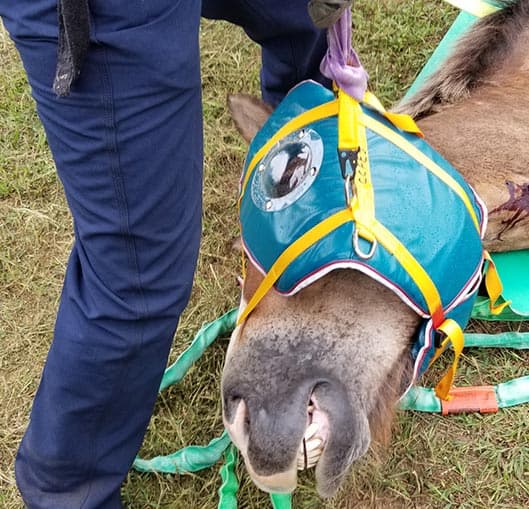
Vets and handlers can take these steps to keep horses restrained during recovery or rescue.

Both Hanover County farms have completed EHV monitoring.

Researchers confirmed using resistance band systems, balance pads, and dynamic mobilization can help improve spinal muscle characteristics and postural stability.

Neurologic examinations in foals are easy to perform and provide useful information about the neonate’s overall health status.

Horses are susceptible to a number of viral and bacterial diseases for which the equine industry has produced safe and effective vaccinations.

Veterinarians can use these fetal parameters to monitor foal health and predict foaling date.
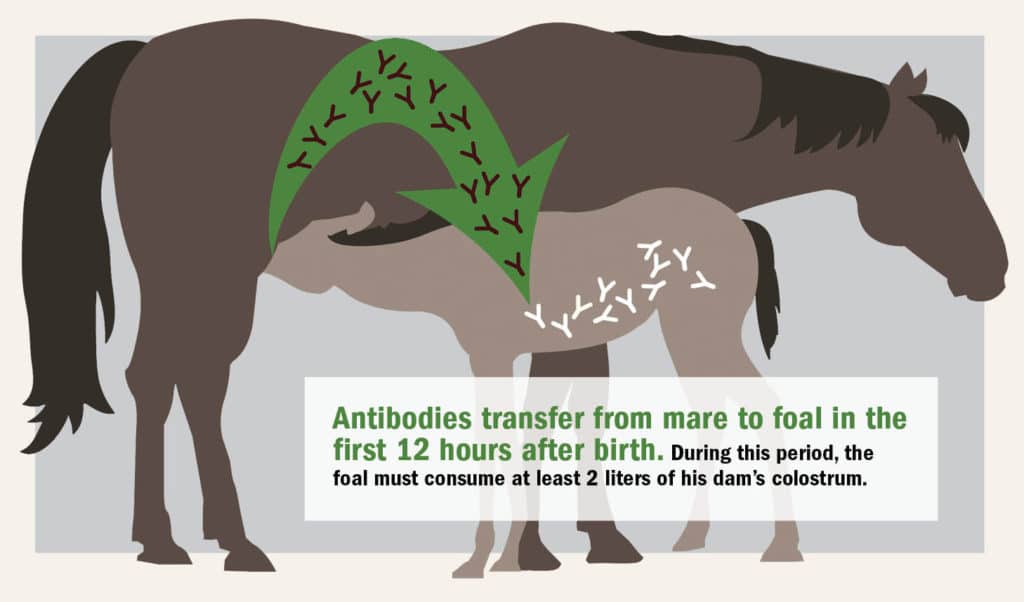
Approximately 5-20% of newborn foals are diagnosed with failure of passive transfer and are at risk for developing serious medical conditions. Learn more in this visual guide.


Dr. Morgan Hayes of the University of Kentucky describes barn and indoor arena ventilation problems and how to fix them.

Does freezing weather turn urine and water in your stalls’ runs into pee-filled ice rinks? There’s no perfect solution, but here are some tips that might help.
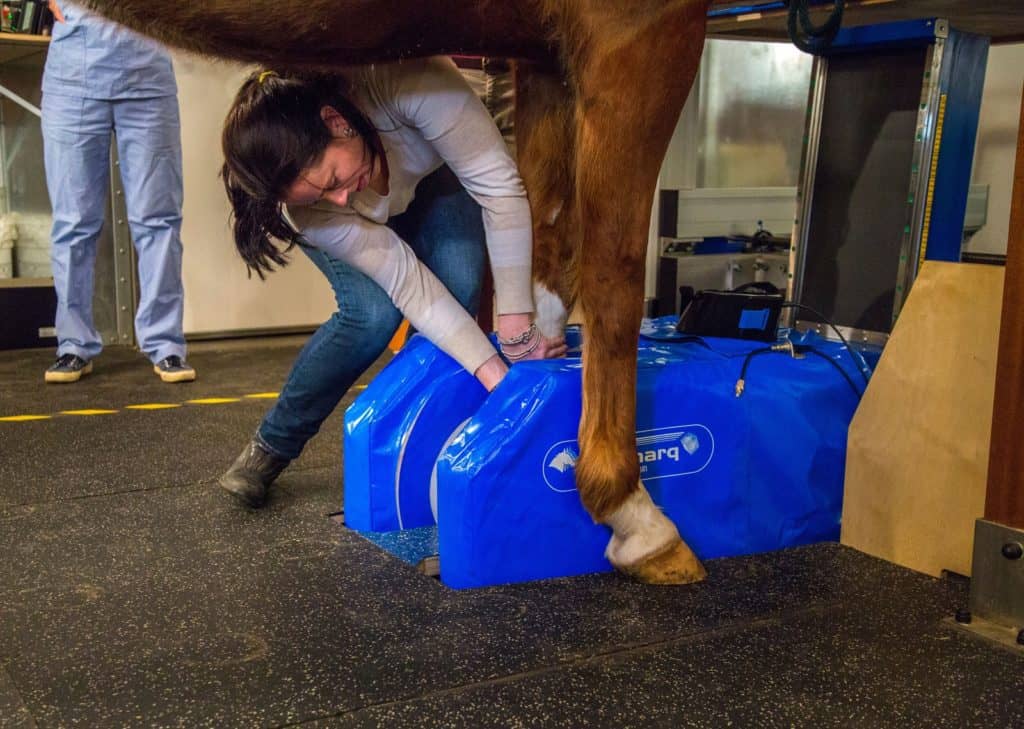
To help our readers better understand soft tissue injuries, we combed our content library to find our top resources on the topic.

Veterinarians have confirmed two more Washington state horses with equine influenza (EI). One of the horses also has respiratory EHV-1.