Two Virginia Horse Farms Quarantined for Neurologic EHV
The horse that tested positive has been euthanized.

The horse that tested positive has been euthanized.

Scientists are rapidly homing in on the specific areas of the equine genome linked to this debilitating condition.


Owning a horse over his lifetime can be rewarding, but you need to be prepared for specific costs related to his care. Learn about senior horse research studies and what veterinarians say you should watch for as your horse ages.

PRCA Hall of Famer Douglas Corey, DVM, offered insight into rodeo horse care and welfare during the American Association of Equine Practitioner’s annual convention.

Measuring mRNA markers might offer an economical, effective, and noninvasive way to detect horses at risk of catastrophic injury.

Lame horse? Advanced diagnostic and management strategies for navicular syndrome have improved long-term outcomes.

Not all equine influenza vaccines are the same. Does that mean horses need boosters when receiving a different EIV vaccine than they’ve gotten in the past? Researchers investigated.

The desire to feed a starved horse well can have catastrophic consequences, resulting in a refeeding syndrome.

Most mares get pregnant without major problems, but some encounter difficulties along the way. Here’s how to work with your veterinarian to resolve the most common issues.

Dietary deficiency of vitamin E can lead to three specific neurologic and muscular diseases. Find out if your horse is getting enough.

Prepubic tendon rupture is an uncommon but serious condition in late pregnancy that may have a poor prognosis and can result in death of the mare and fetus.

Veterinarians perform this common surgical procedure on broodmares to help keep the reproductive tract clean.

Equine medical facilities can become hotbeds of infection without careful planning and effective management of animal and human traffic flow.

The Pasco County horse has not traveled recently and lives at a private facility.
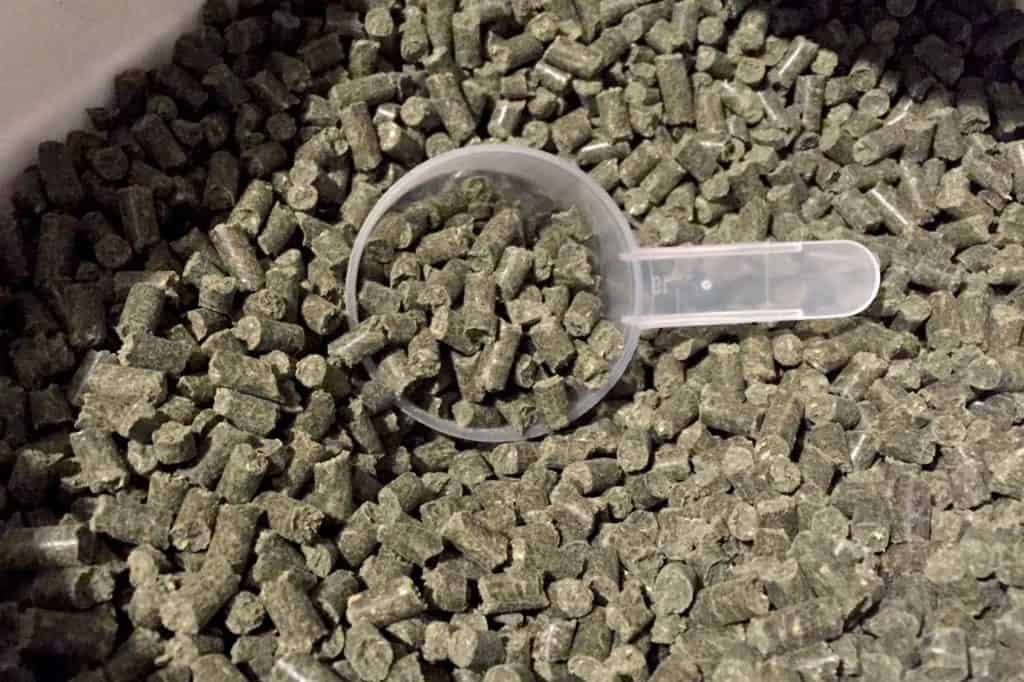
Researchers investigated if two common joint supplement ingredients contribute to worsening gastric ulcer scores in horses.