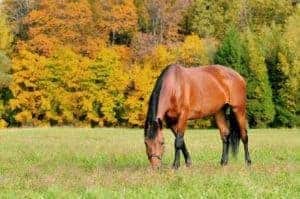
5 Common Things You Won’t Find in a Horse Vet’s Barn
We often think our horses are safe when tucked in the barn … but think again. Here, veterinarians share common causes of equine injuries that lurk in most barns.

We often think our horses are safe when tucked in the barn … but think again. Here, veterinarians share common causes of equine injuries that lurk in most barns.
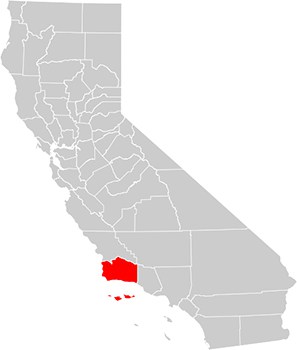
California is now free of equine herpesvirus-1 quarantines.

A veterinarian describes conventional and alternative therapies for helping tendons and ligaments heal.

The Madera County horse is California’s first confirmed equine infectious anemia case since 2017.

A nutritionist explains why horses need this amino acid in their diets and what happens if they don’t consume enough.

One horse at the New York racetrack confirmed positive for equine herpesvirus-1.
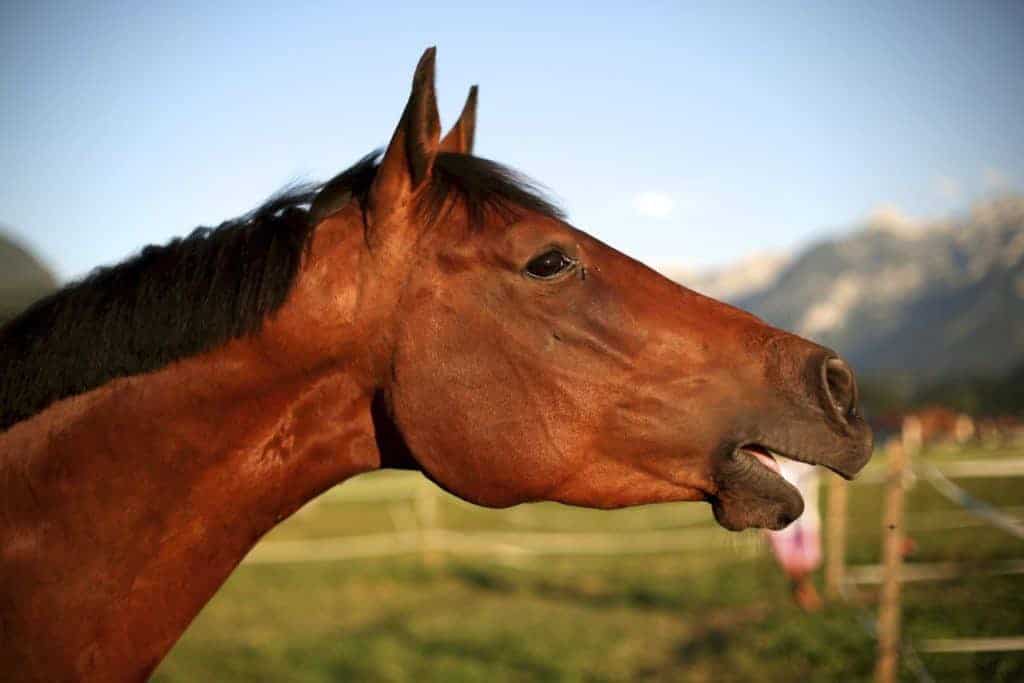
Dr. Nancy Diehl explains what we know—and don’t know—about a horse’s nicker.

The Oklahoma racetrack is free of equine herpesvirus infection after 11 weeks of quarantine protocol.

While people might extol the virtues of various rehabilitation modalities, those testimonials rarely rely on the science surrounding the techniques.

Study: Equine parvovirus-hepatitis, a virus causing fatal liver disease that spreads via vaccines and plasma, has a high prevalence in Germany and probably other European countries.

Is equine coronavirus the same or similar to the disease currently making headlines for initially infecting people in China and other countries?

Four equine herpesvirus-1 exposed horses from Polk County are under official quarantine.

A fatty-acid- and antioxidant-rich supplement approach allowed oocytes to mature and metabolize energy more efficiently.

The state has confirmed two horses positive in Bottineau County. Six more are presumed positive.
This case marks Santa Barbara County’s third on the index premises.

Three horses remain under quarantine at the Oklahoma racetrack.