Why I’m an Equine Veterinarian
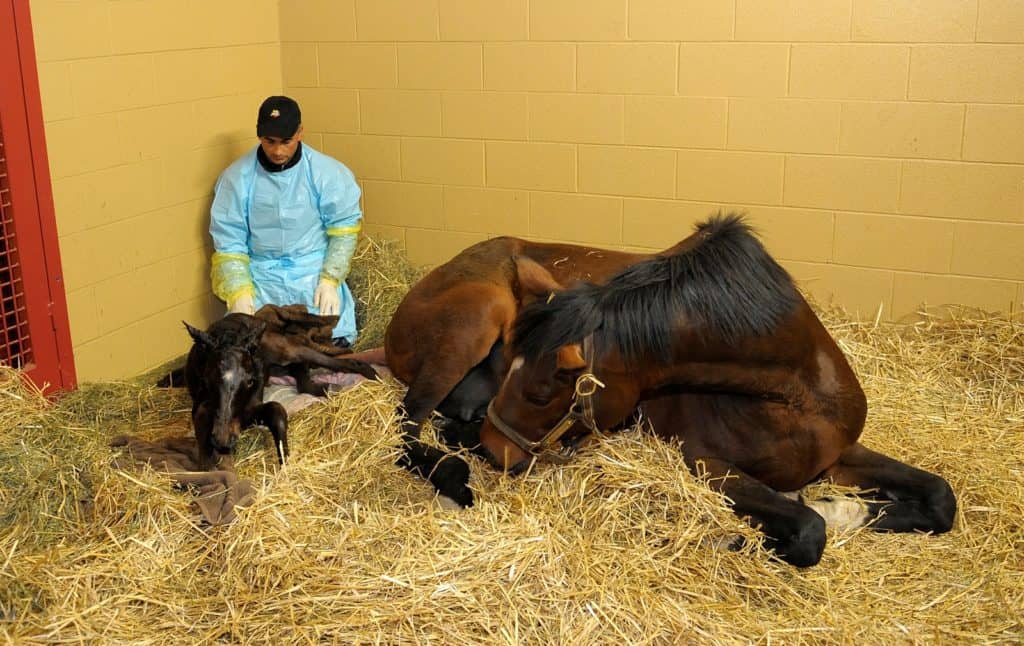
Being an equine veterinarian isn’t always easy, but one practitioner says it’s cases like this that make it all worthwhile.
How to care for the basic health needs of horses

Being an equine veterinarian isn’t always easy, but one practitioner says it’s cases like this that make it all worthwhile.

Learn how to avoid and address impaction colic, a common cause of cold-weather emergency farm calls.

Top tweets and take-homes from Monday’s educational sessions on topics including saddle fit and mare reproduction.

Dr. Janne Winther Christensen penned an open letter to World Horse Welfare, on behalf of ISES, highlighting the importance of noseband checks for equine health and welfare, and Roly Owers, of WHW, responded.

A horse owner asks if she’s feeding her horse hay often enough. Nutritionist Dr. Clair Thunes responds.

Remember these 3 simple things to help your horse maintain his weight and health this winter.

Strangles is highly contagious and can spread rapidly through horse populations and barns, so quick containment is essential. One veterinarian offers his tips on how to stop strangles from spreading.

Not every owner has access to pasture for their horses. Download this free report to learn more about drylots and special considerations for housing horses in pastureless regions.

Tendon rehab in horses should include heavy and slow loading, pain monitoring, and progressive resistance.

Effective Dec. 1, horses granted a therapeutic use exemption can remain on pergolide with no drug withdrawal prior to competition and no need to file a medication report form each time they compete.

Learn about a welfare-friendly way to desensitize horses.

We all want to be the kind of person other trail riders enjoy being around. Use these eight simple techniques to be a fun and safe riding buddy on the trail.

Polyacrylamide hydrogel (PAAG) and stanolozol might offer veterinarians and owners new alternative treatment options to help reduce pain, improve joint function, and minimize joint tissue deterioration in horses with arthritis.

Dr. Wayne McIlwraith describes how joint treatments for horses have changed over the years and what therapeutic options might be on the horizon.

To boot, researchers found that it’s not always easy for owners to spot ocular issues: Owners reported that fewer than 4% of the study horses had some sort of ocular disease, but researchers determined that nearly 90% of them did.

Dr. Stephanie Valberg explains how five major advancements in veterinary technology have helped her and others learn more about and discover new equine muscle disorders.
Stay on top of the most recent Horse Health news with
"*" indicates required fields