Horses Need Extra TLC During Cold, Wet Winter Weather
Horses require extra attention when low temperatures are accompanied by wet and windy conditions. Here’s how to help your horse cope with winter weather.

Horses require extra attention when low temperatures are accompanied by wet and windy conditions. Here’s how to help your horse cope with winter weather.

It’s critical that owners and breeding farms send aborted foals to a veterinary diagnostic laboratory, even if the cause of abortion appears obvious. Here’s why.
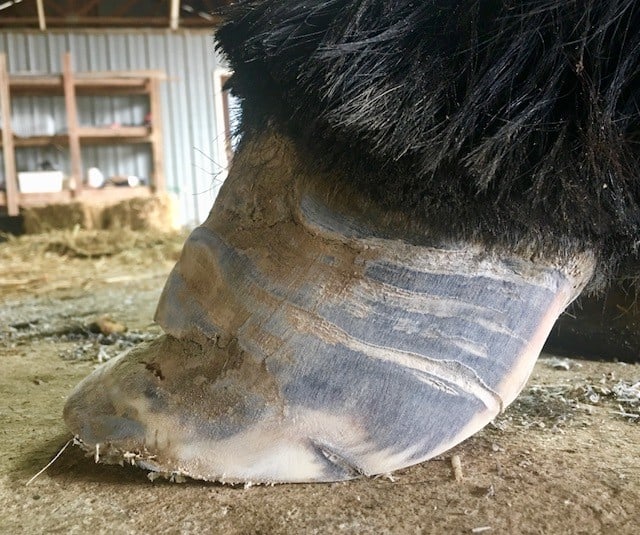
Also known as “buttress foot,” this condition primarily affects horses with poor leg conformation in high-impact disciplines. A veterinary podiatry expert explains.

Researchers found no apparent link between previous surgery and catastrophic injury, but they did identify associations with medication use and lameness.

Learn how veterinarians are helping the working equids of the developing world and their owners. In this article, Dr. Ashleigh Leighton Kornatowski shares a behind-the-scenes look at a typical day on an equitarian trip.
The Association of Racing Commissioners International added more than 70 substances to Uniform Classification Guidelines for Foreign Substances and increased recommended penalties for clenbuterol and albuterol violations in Quarter Horse racing at the AQHA’s request,

Purchasing a horse is primarily about risk assessment, which is why prepurchase exams are so important. Here are some things to keep in mind.

A recent comparison of diagnosis and treatment of back pain in horses a decade apart has highlighted the way riders and veterinarians alike have evolved in their awareness and management of this condition.

Learn about what vaccines a broodmare should receive during gestation and why vaccinating mares is important for their foals from equine repro expert Dr. Ryan Ferris.

Overweight horses are at risk for a number of health conditions. Here are some tips to use if your horse needs to lose weight.

Researchers found that many old horses are in good body condition. And, at least in certain countries, those that don’t have ideal condition are more likely to be overweight than underweight.
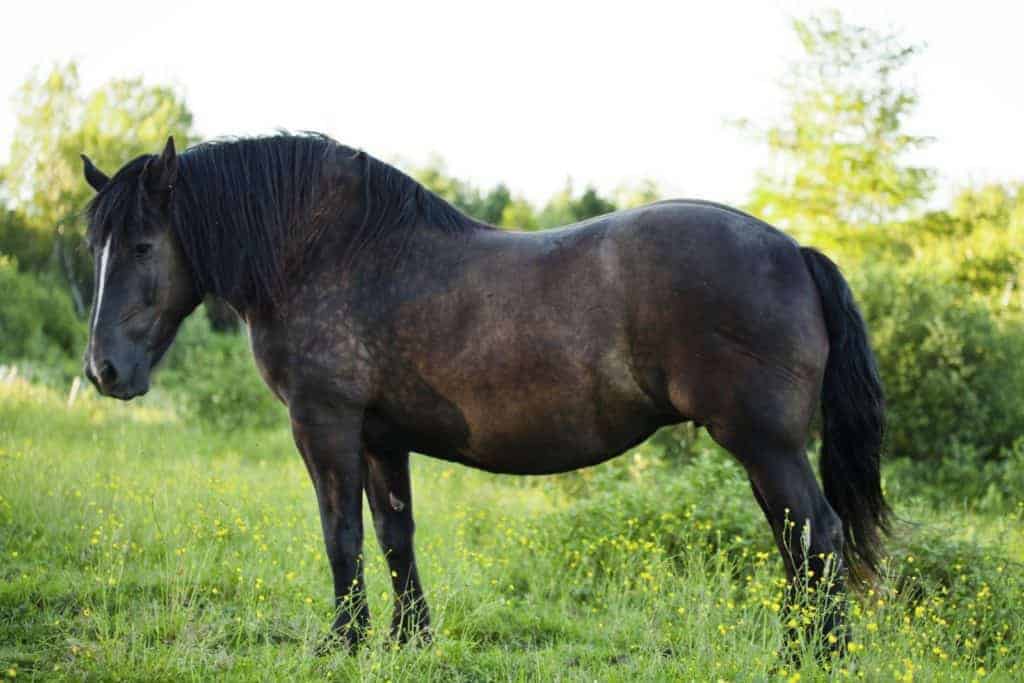
Studies suggest that more than half of certain horse populations in the U.K. are overweight or obese. As such, BEVA urges owners to act now to reduce the risk of their horses suffering weight-related health and welfare risks come spring.

Researchers found that hoof balance changes rapidly during the first few weeks of a foal’s life.

Plan ahead to keep family, employees, and horses safe during a winter weather disaster.

Get your questions answered about breeding mares and stallions and producing top-quality, healthy foals during our live Q&A. We cover everything from selecting the right parents to gestational care to ensuring your foal’s safe delivery.

Researchers recently found a link between “motor laterality” and “cognitive bias”; right-sided horses tended to be optimistic and left-sided horses were more pessimistic.