Emergency 911: Horse Show Edition
Critical conditions such as colic, injuries, and dehydration can strike when you’re at a competition with your horse. Here’s how to handle them.

Critical conditions such as colic, injuries, and dehydration can strike when you’re at a competition with your horse. Here’s how to handle them.
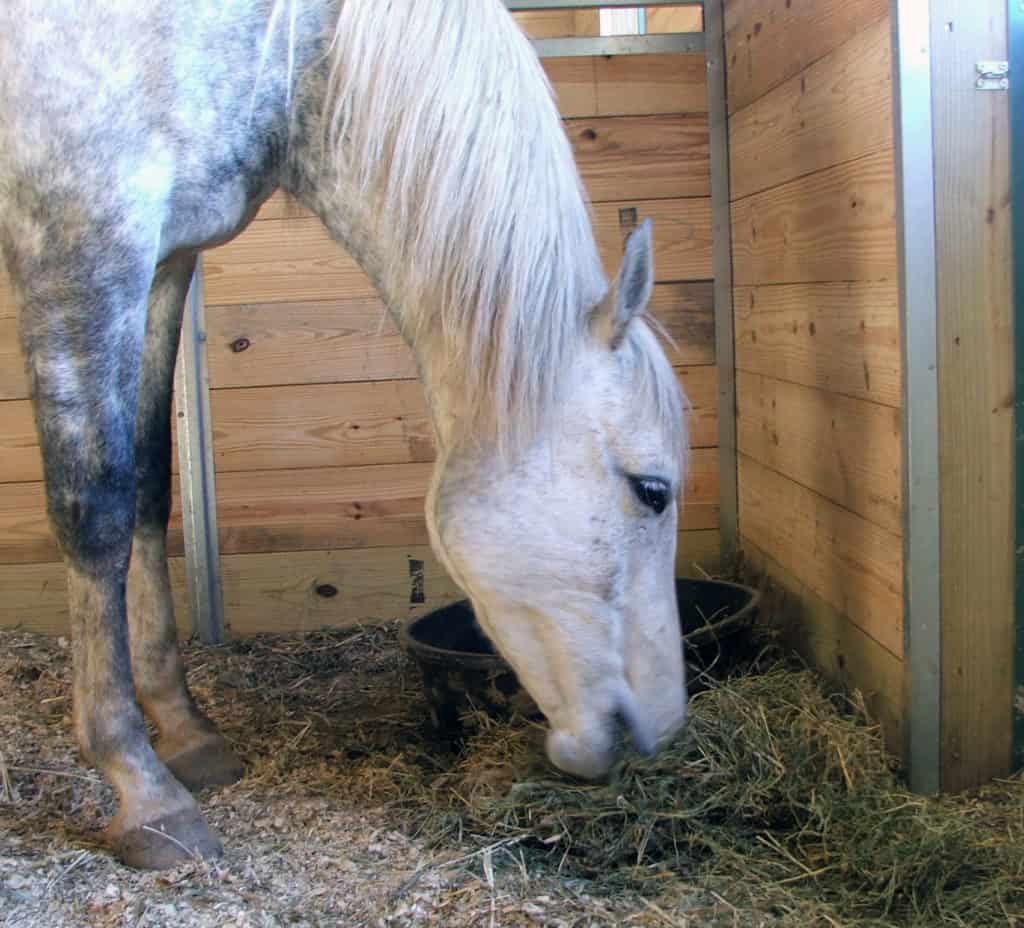
A brief period of fasting prior to omeprazole administration could help maximize drug absorption and, thus, efficacy.

Find out how equine researchers are using the latest gadgets and gizmos to diagnose lameness, collect data, and more.

Laminitis causes crippling lameness associated with intense pain that shortens horses’ athletic careers. Download this fact sheet to learn more about recognizing, treating, and preventing laminitis in horses.

Describing age-related structural changes in senior horse hearts is a critical first step in recognizing pathologies. However, researchers say it’s too soon to know how those age-related changes affect horse health.

Respondents reported their equine veterinarians as their most trusted sources for vaccination and deworming information.
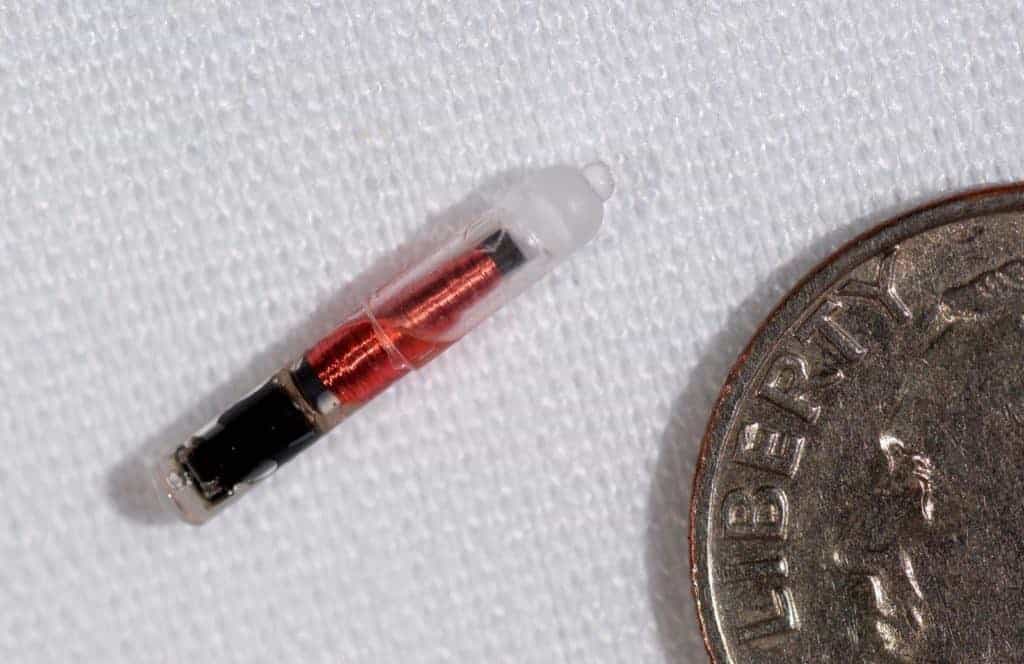
The universal microchip look-up tool would provide a single source where the public and various organizations and emergency response teams could find a horse’s identity or the registry with which the animal’s microchip number is associated.
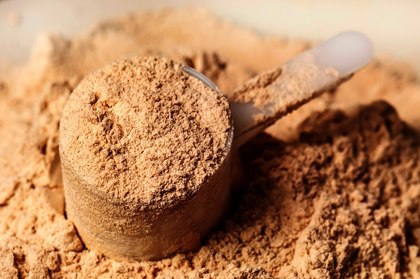
What do probiotics and their counterparts–prebiotics–do for horses? Here’s what the current research says.

Study findings suggest dose escalation can be used in equine lymphoma treatment to achieve higher chemotherapeutic dose intensity while minimizing adverse effects, researchers said.

A study shows that “ulcerated” horses didn’t seem to look or act significantly different from healthy horses.

Researchers used computer simulation models to assess the risk of disease spread from horse events and the effectiveness of various control protocols in the face of the outbreak at a home stable.

Horses are one of the most susceptible species to botulism. Find out how to protect your horse from this deadly neurologic disease.

For safety purposes, the UK VMD had suspended sales of several drugs, including flunixin, that are used in food-producing animals and contain the excipient diethanolamine.

Recent research suggests that bone scans in horses aren’t always accurate in diagnosing causes of lameness and poor performance in sport horses when used alone.

Learn how to manage this incurable disease that causes debilitating lameness in horses.

Results from a study on a small population of horses suggest that freezing samples for short periods before testing won’t impact the results.