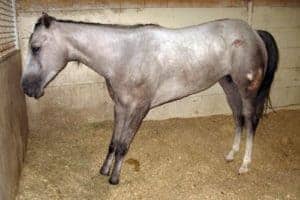
Feed Horses Just Before Transport to Lower Ulcer Risk
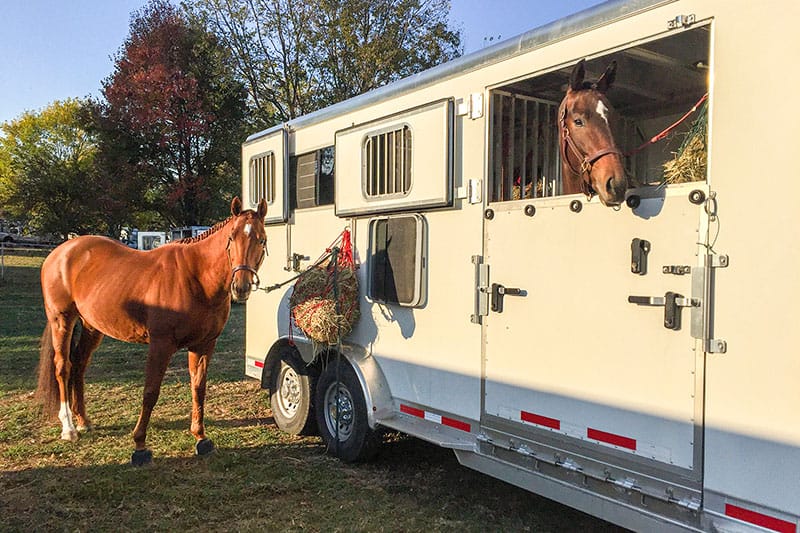
Feeding hay before loading your horse on the trailer can help prevent gastric ulcers from developing during long-haul travel.

Feeding hay before loading your horse on the trailer can help prevent gastric ulcers from developing during long-haul travel.

Experts discuss what to do when your horse turns up with knee, hock, fetlock, or other leg joint wounds, and why.
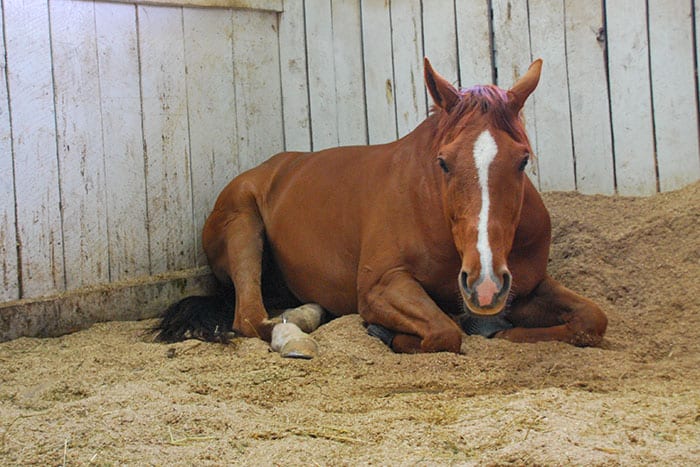
Horses need plenty of good-quality sleep to be able to perform at their best. Learn about the importance of ‘good’ sleep and how our management practices can affect horses’ sleep quality and enhance their performance.

Alleviating these unsightly skin lesions proves challenging in many cases. Sponsored by KineticVet.

Follow these 10 steps to maximize bathtime for your horse.
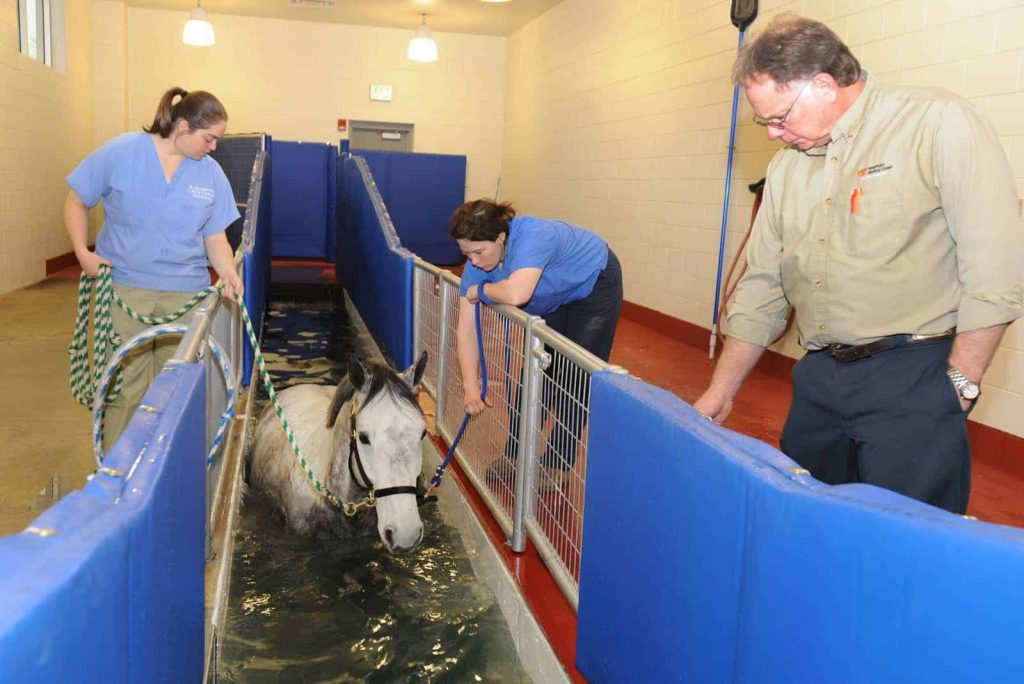
Water treadmills and swimming can be useful when rehabilitating or conditioning horses. Learn how to choose the right option for your horse based on your goals.

Horses might eat dirt due to nutrient deficiencies, among other causes.

A research team found that abnormal behavior doesn’t always correlate with elevated ovarian hormones.
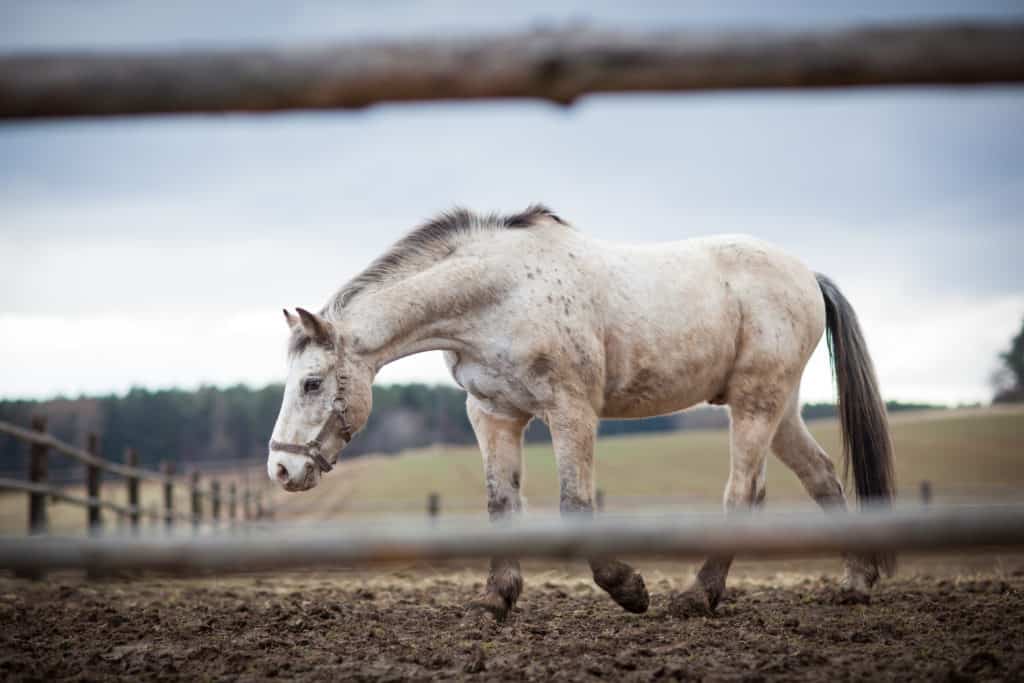
What is the most common behavior problem in aging horses? Dr. Sue McDonnell weighs in.

Researchers have discovered a way to make equine amniotic membrane, a treatment option for wound healing, more accessible.
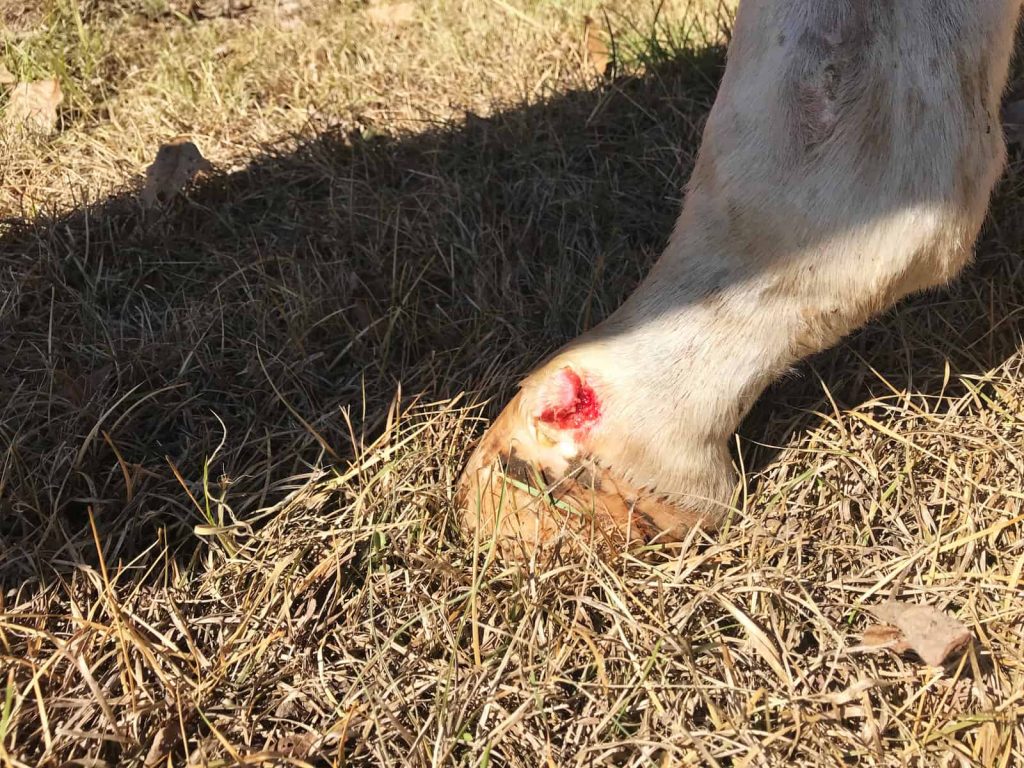
Has your horse come in from the pasture with a laceration on his fetlock or an abrasion on his hip? Learn how to care for many types of equine wounds during Wound Care Awareness Month at TheHorse.com, sponsored by Phovia Equine.

Donkeys might benefit from higher doses of morphine for pain relief than what veterinarians usually prescribe for horses.

Dr. Anna Pesta-Dunaway describes the basics of helping the competition horse build muscle in this excerpt from Ask TheHorse Live.

Researchers in Germany are testing the therapeutic antibody, which might provide effective relief from IBH discomfort.
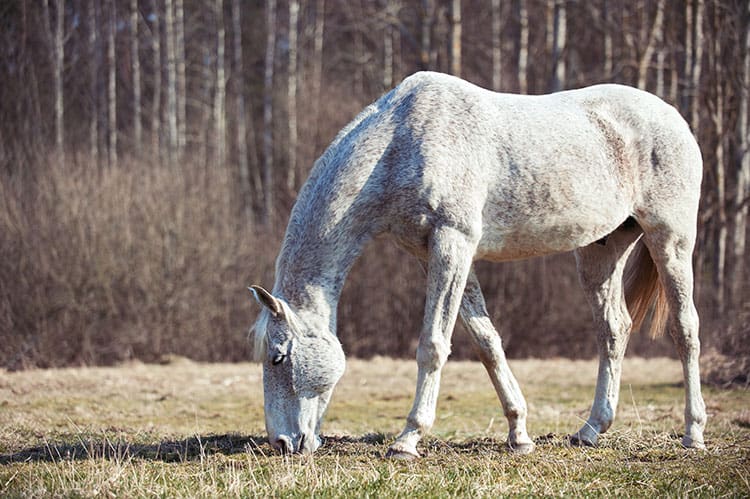
Dr. Anna Pesta-Dunaway talks about the change in nutritional needs that occurs as horses age and how to manage it if they are competing.
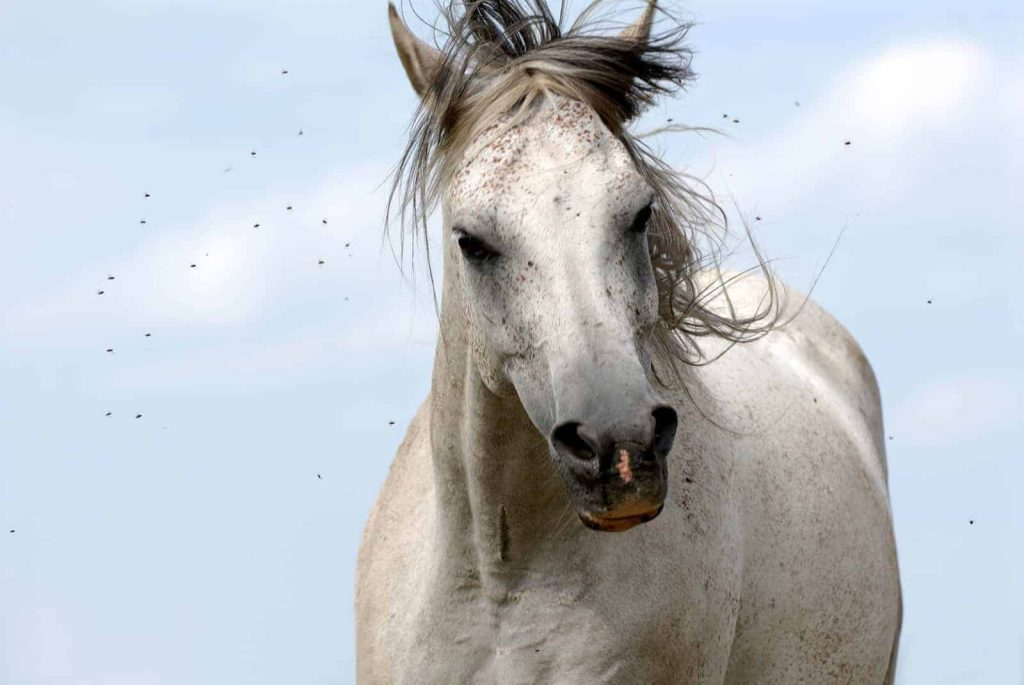
Practicing smart insect control tactics year-round can help you keep populations under control.