Florida Confirms Equine WNV Case
The unvaccinated horse is the state’s fourth equine confirmed with WNV this year.

The unvaccinated horse is the state’s fourth equine confirmed with WNV this year.

Researchers found horses on regular four- to six-week trim and shoe cycles didn’t have significant gait changes after their hoof care appointments, even on a finely measured level.

The affected horse and any potentially exposed horses have been quarantined.

The horse’s facility is under voluntary quarantine following the positive test.

An official quarantine will remain in effect until response protocols are complete.

Electrical impedance tomography could be simple enough for veterinarians to use in the field to diagnose asthmatic horses without anesthetics or an assistant.

Dr. Vern Dryden explains how equine metabolic diseases and laminitis are connected.

The choice to use antimicrobials to treat lower airway issues in horses isn’t always clear.

One more horse is suspected as positive, and five more potentially exposed.

To understand how horses fared during standing flank laparotomy for colic, researchers reviewed records from 37 equids. Here’s what they found.

The case marks the state’s sixth equine confirmed in 2021.

Neither horse was fully vaccinated against EI.

Senior horses diagnosed with this performance-limiting respiratory condition face more obstacles than their younger counterparts.

The key is adding weight carefully without triggering hyperinsulinemia and laminitis.
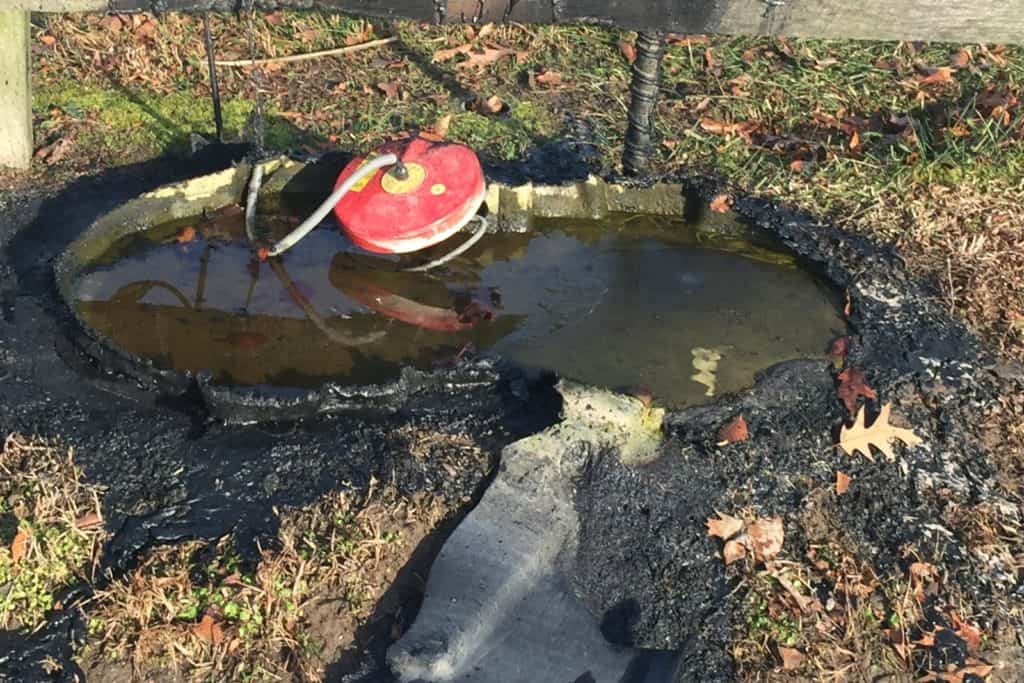
Are you using heated water buckets or troughs this winter? Stay safe with these tips.

Two important bacteria cause lung infections in foals; here’s how the body and your vet battle these pathogens.