How Vets Can Respond to Equine Respiratory Emergencies
Critical care specialist: With little time to act, veterinarians called upon to help horses struggling to breathe must arrive organized, prepared, and confident.

Critical care specialist: With little time to act, veterinarians called upon to help horses struggling to breathe must arrive organized, prepared, and confident.

Laminitis is an extremely painful and often deadly hoof disease in horses with several causes. Get your questions about laminitis—from nutrition to podiatry—answered during this live recording of our podcast. Sponsored by Wellness Ready.

Three premises in three counties contain positive cases.

The case marks the state’s seventh confirmed equine case in 2021.

Providing a balanced diet that meets your horse’s nutritional needs and being aware of possible shortcomings are vital for his care. Read about seven aspects of your horse’s diet that might not be up to par.

You expect dusty hay to set off inflammation in asthmatic horses’ lungs. But did you know dusty hay and indoor housing can also affect their gut microbiota?

Researcher: Horses only start to crib, weave, or perform other stereotypies in one kind of context: when their environment is suboptimal.

Learn about the steps you can take to reduce the number of asthma-causing airborne particulates in your horse’s barn.
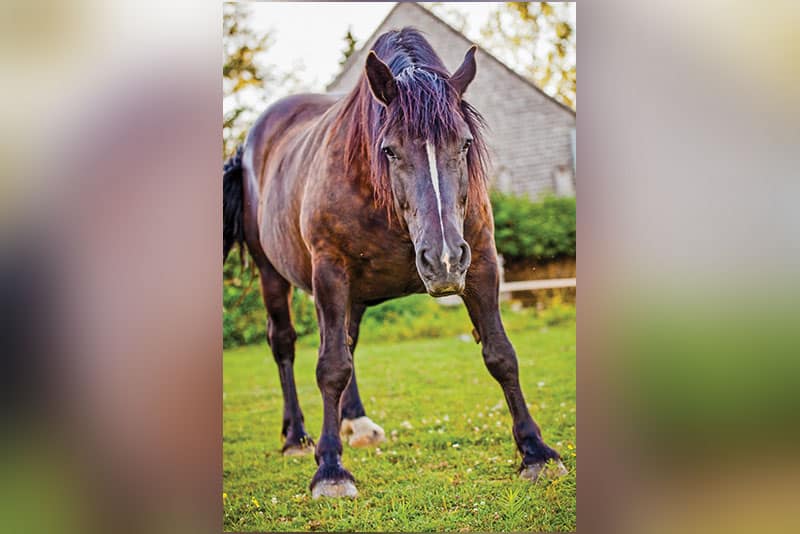
Abby Keegan, MS, PAS, an equine nutritionist for Cargill North America, will present considerations for designing appropriate diets for horses with equine metabolic syndrome (EMS) and how newly FDA-approved chromium might be beneficial. She’ll also share real-world example diets.

Seven emerging researchers will receive awards to support clinical advances in equine medicine.

This is the state’s third confirmed case of WNV in an equine in 2021.
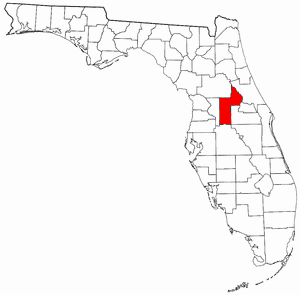
The case marks the state’s 18th confirmed case of EEE in an equine in 2021.

An owner wants to know how to best prepare her senior horse for a move from Florida to Virginia. Dr. Chrissie Schneider offers advice.

The case is the state’s sixth in 2021 and the county’s second.

Exercise-induced pulmonary hemorrhage is a condition in which horses experience lung bleeding during exercise. Veterinarians and researchers continue to investigate the condition.

The state continues to investigate the source of the deceased horse’s illness.