Study: Even Slight Slopes Can Affect Lameness Exams in Horses
Perform trot-ups on both flat and sloped surfaces to fully understand a horse’s lameness.

Perform trot-ups on both flat and sloped surfaces to fully understand a horse’s lameness.

MRI imaging of the stifle joint has shown evidence of injuries to a variety of soft and hard tissues.

A veterinarian describes what causes podotrochlosis and how practitioners diagnose and manage it.

Because the hooves are integral to soundness, veterinarians and farriers should work together to give lame horses the best prognosis.

Find out how to get athletic horses with injuries to the large, complex stifle joint on the road to recovery.
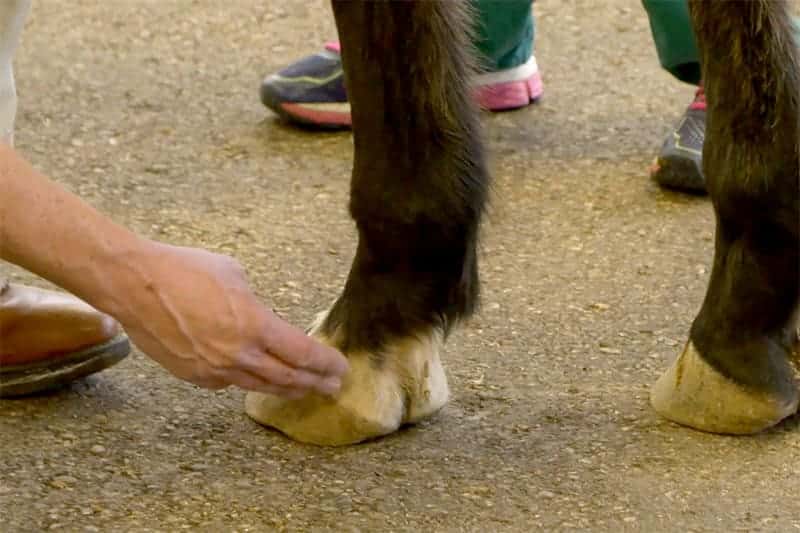
When used correctly, nerve blocks can help determine the location of discomfort in a horse.

A young Quarter Horse reiner undergoes treatment for a left-hind proximal suspensory ligament injury.

Identifying lameness early is key to preventing long-term damage.
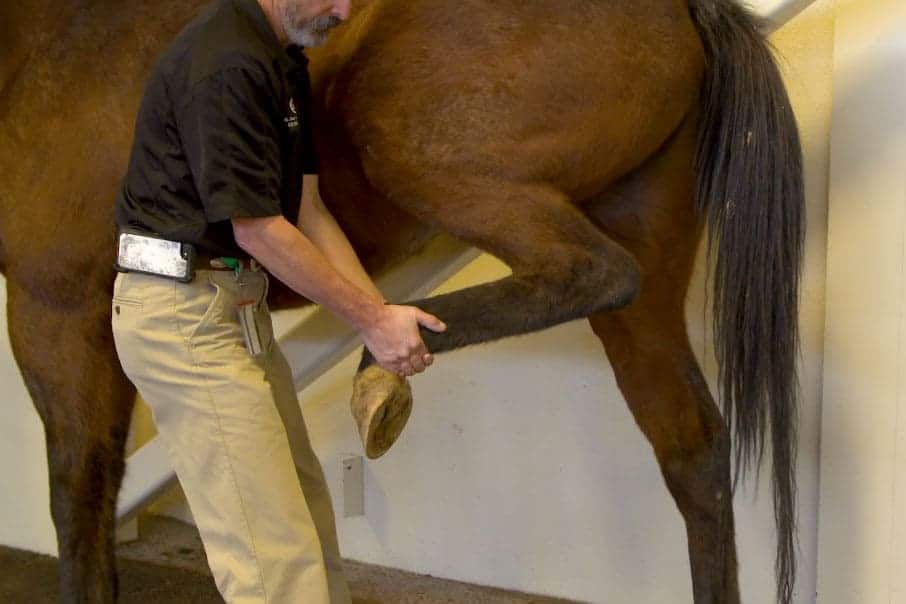
A veterinarian evaluates a horse’s soundness using flexion tests.

Navicular syndrome, more accurately referred to as podotrochlosis, is a catchall phrase describing chronic forelimb lameness caused by pain stemming from the navicular bone and related structures. Sponsored by Dechra.

From imaging to diagnostic tests, vets have many ways to help horses with EPM, wobbler syndrome, and spinal cord injuries.

Pinpointing an injury’s location is important for not only an accurate diagnosis but also a proper treatment and successful outcome.

The readily available modality can reveal more information so veterinarians can make a definitive diagnosis.

Milne lecturer urges veterinarians to understand the “why” of lameness before making a diagnosis.

Racetrack veterinarians can trust PET when looking for fetlock pathologies that can potentially lead to serious injuries if left undiagnosed.

Belgian researchers use both modalities to investigate the causes of foot pain in 30 horses referred to the equine hospital for forelimb lameness.