A Nail in the Hoof: What Would You Do?
How would you react if your horse stepped on a nail? One practitioner outlines the steps you should take.

How would you react if your horse stepped on a nail? One practitioner outlines the steps you should take.

Neurologic examinations in foals are easy to perform and provide useful information about the neonate’s overall health status.

Lame horse? Advanced diagnostic and management strategies for navicular syndrome have improved long-term outcomes.

To help horse owners better understand MRI, we’ve scoured our archives and collected 10 resources about this diagnostic modality and some of the ailments it can help identify, all available to you free on TheHorse.com.
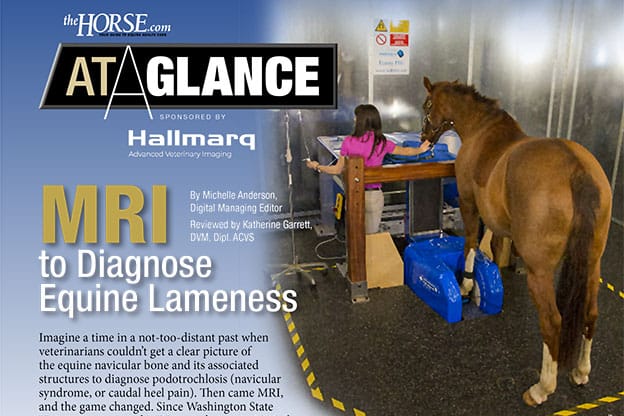
MRI has become easier to use and more accessible. Using this diagnostic tool early leads to improved outcomes for lame horses. Sponsored by Hallmarq Veterinary Imaging.
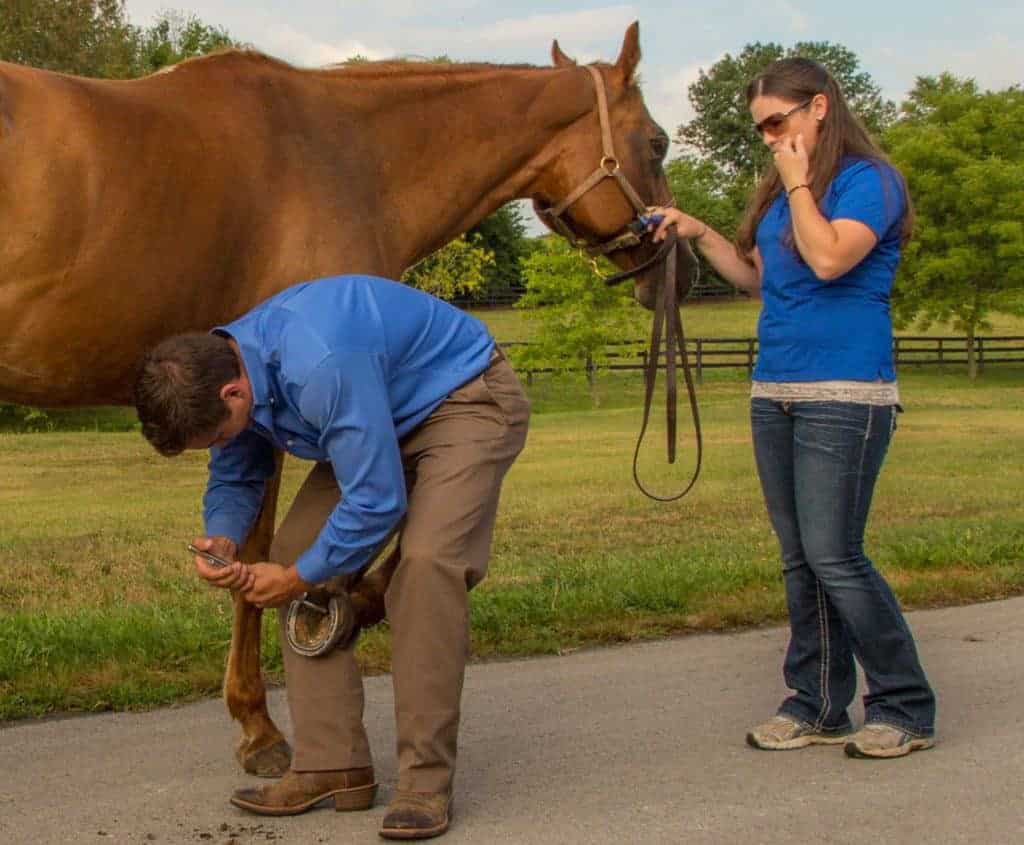
Find out what hoof problems you can safely manage yourself and when to call in your farrier and/or veterinarian.

Veterinarians need to assess horses, diagnose the cause of pain, and start medical management early for the best prognosis.
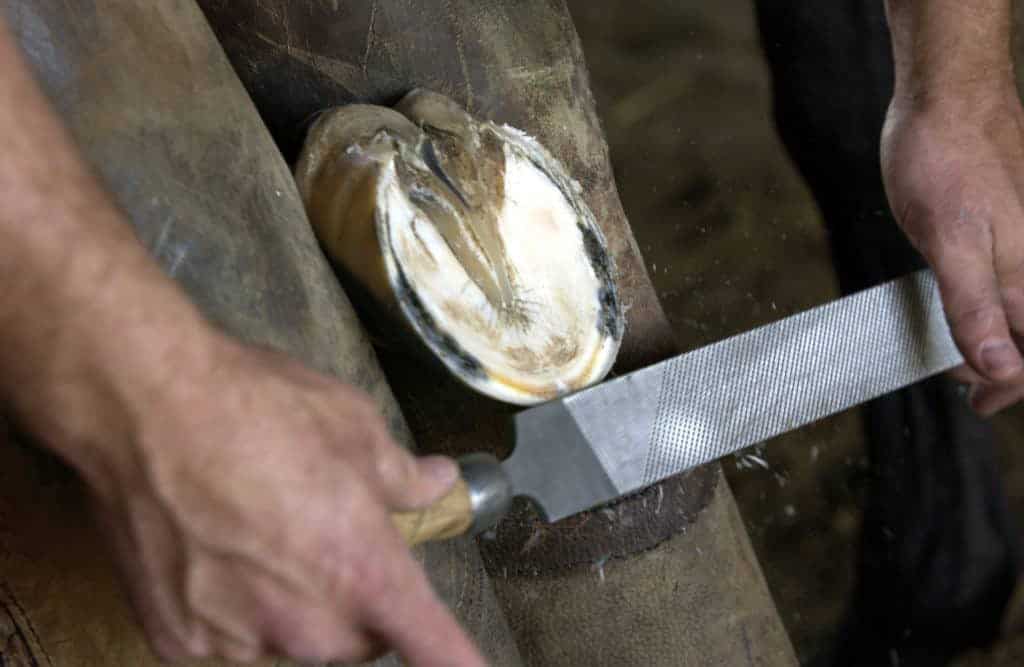
What could cause a change in an adult horse’s leg conformation?
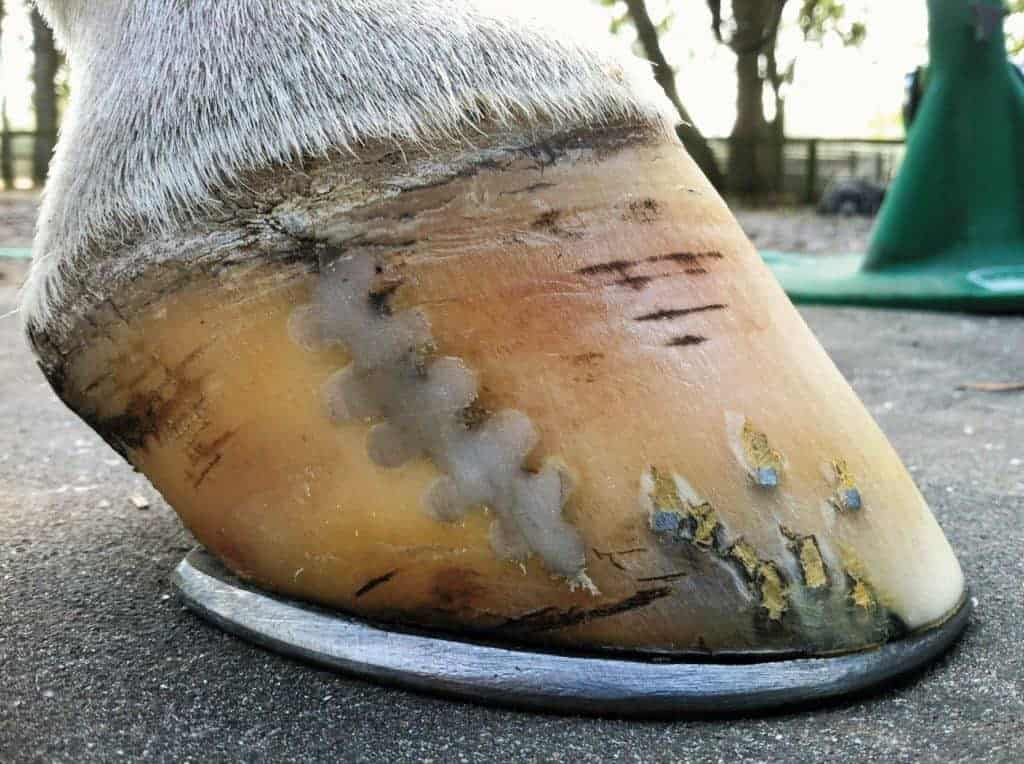
Whether big or small, these hoof wall imperfections require prompt repair and stabilization.

MRI exams are more expensive than most other diagnostics. But with better associated recovery rates, it might be a worthwhile investment, say researchers.

Sometimes rest is the best recipe for recovery for an injured horse. Learn about the science of healing, aggressive vs. conservative treatment, and exercise rehabilitation.

Your laminitis survivor’s true prognosis depends on how you manage him after the worst is over.

One veterinarian weighs the pros and cons of available imaging modalities when it comes to diagnosing common fetlock injuries.

How equine practitioners can use ultrasound to evaluate the multifidus muscle, which stabilizes and supports the equine back.

A horse appears healthy and sidepasses well to the right, but not to the left. Could he be in pain? A sports medicine practitioner shares his thoughts.
The 11th NEAEP symposium emphasized farriers and veterinarians working together for the good of the horse. Read our in-depth coverage in this free report, sponsored by Soft-Ride.