Hoof Radiographs: More Than Meets the Eye
Something on the X rays looks a bit off—is it significant or of no consequence? It depends on what you find.

Something on the X rays looks a bit off—is it significant or of no consequence? It depends on what you find.

A veterinarian explains terms often used to describe horses with front-limb lameness.

Since hitting the commercial equine market in 2014, bisphosphonates have been used primarily to manage horses with navicular disease. One veterinarian describes how they impact navicular region pain and lameness.
Here’s what we know and are learning about defining, diagnosing, and treating this painful foot disease.

When the going gets muddy, the muddy get hoof problems. Here’s what to watch for in your horses.

What is a venogram, and how is it used to help diagnose laminitis?

Renowned researcher Dr. Hilary Clayton gave a keynote presentation about equine locomotion at the 2019 Equine Science Society Symposium. Here’s our exclusive recap.

Placing a boot on a horse’s weaker leg can use proprioception to help him build muscle force and reverse asymmetry, a study finds.

Here’s how to manage senior horses’ aging teeth, joints, lungs, and more.
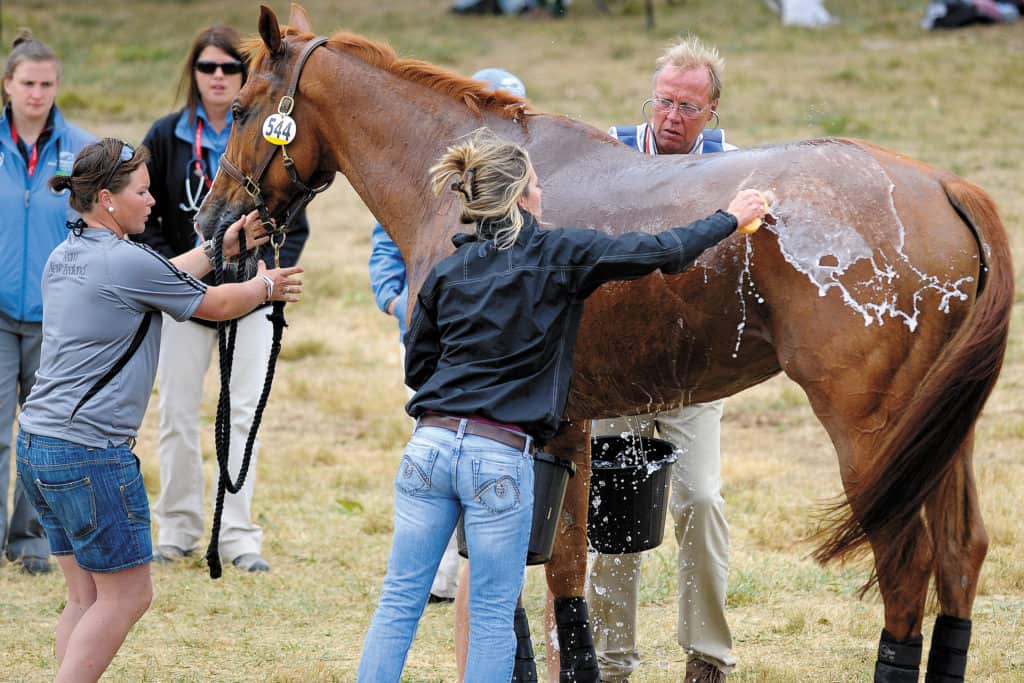
Whether you’re caring for an upper-level sport horse, have high-performance aspirations, or simply want to give your lower-level horse the Olympic treatment, here are 10 resources available to you for free on TheHorse.com.

Your horse’s feet are his foundation. What does a healthy hoof look like? Does your horse need shoes, or is he fine barefoot? And what about hoof boots? Learn how to work with your farrier (or trimmer) and veterinarian to ensure your horse’s feet receive the right care.

Veterinarians are using chiropractic techniques more frequently to evaluate and treat back disorders in horses. Here, a CSU professor and researcher outlines basic principles.
Colombian Paso Finos have a unique gait most other Paso Finos don’t: the trocha. And recent study results suggest that gait isn’t genetically similar to lateral gaits in other ambling breeds like Icelandics, Tennessee Walking Horses, and pacers.

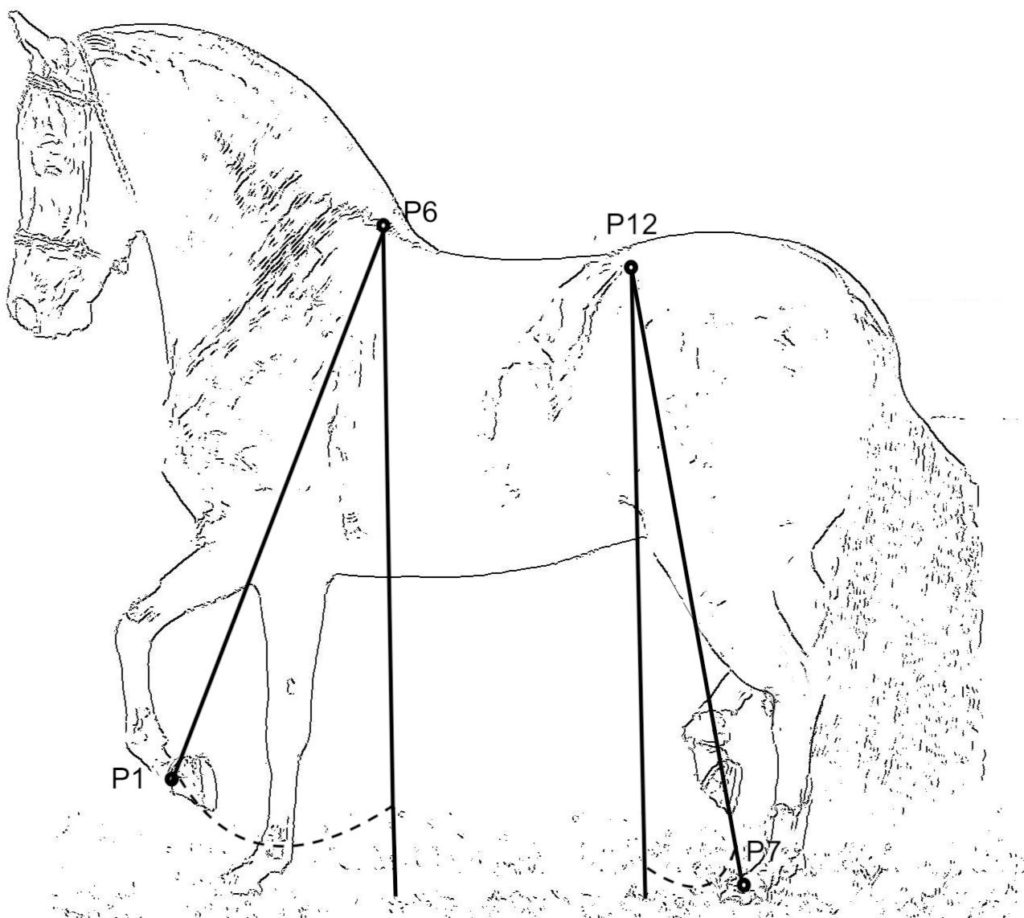
By analyzing “wither drop,” researchers found that some horses tend to drop their withers lower when bringing one foreleg forward than the other. Here’s what that means for equestrians.

There’s no getting around it: Horses—especially those expected to perform at a high level—are risky purchases. But a thorough prepurchase exam can help give you confidence that you’re making the right investment for your scenario. Here’s what practitioners look for during prepurchase exams for upper-level sport horses.

Researchers recently found that, despite what can be an arduous first year of transition, healthwise, owners are overwhelmingly very satisfied with their horses and most said they’d buy an OTTB again.